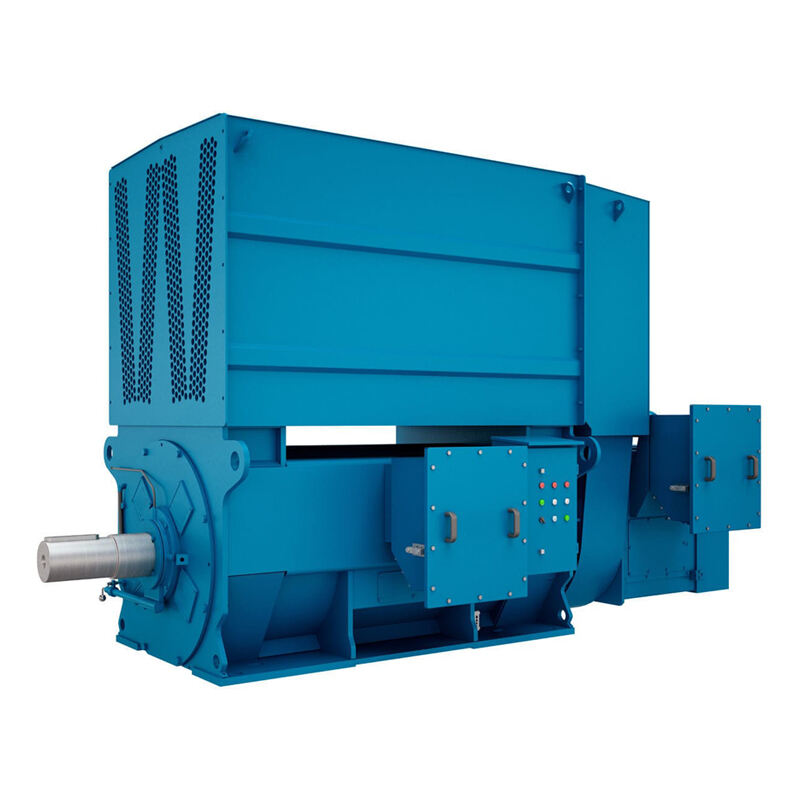
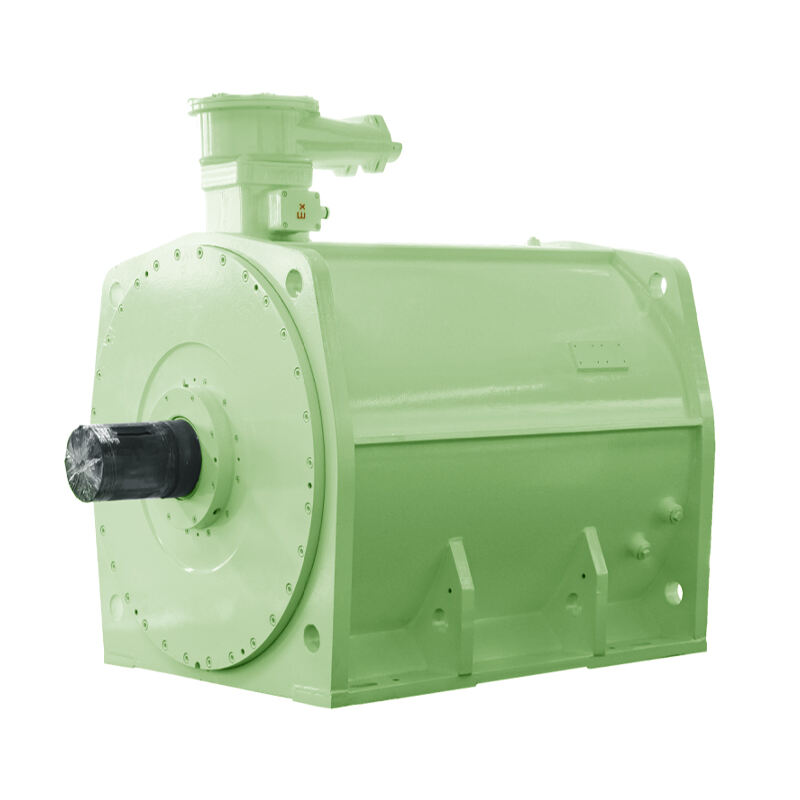
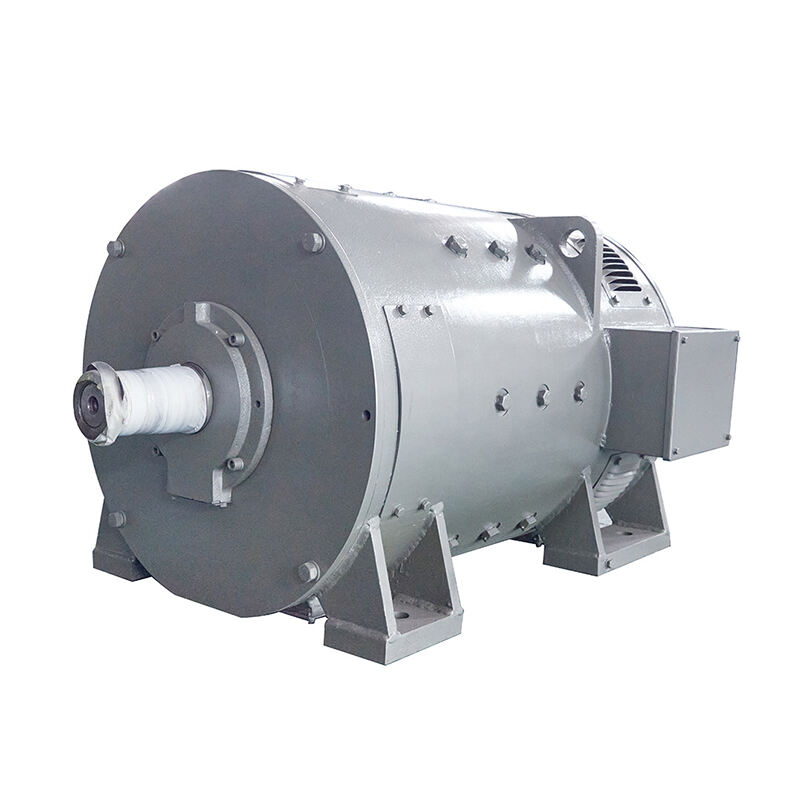
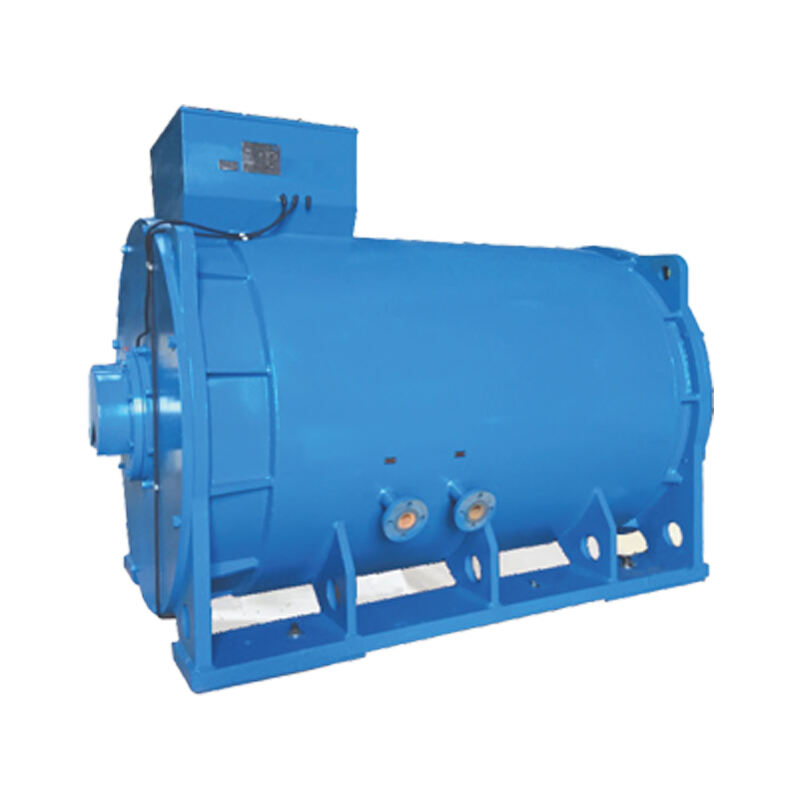
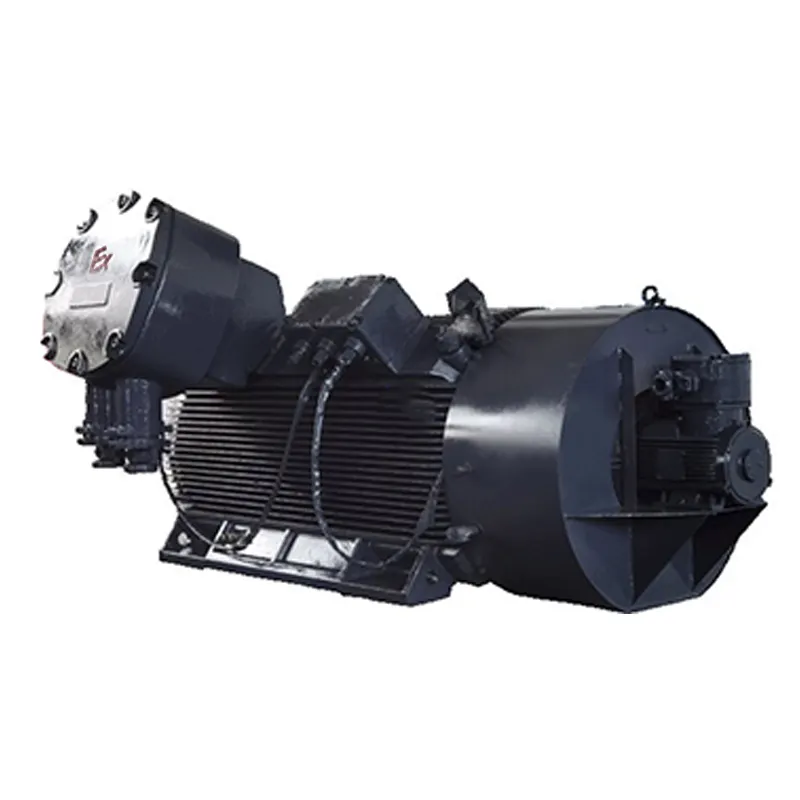
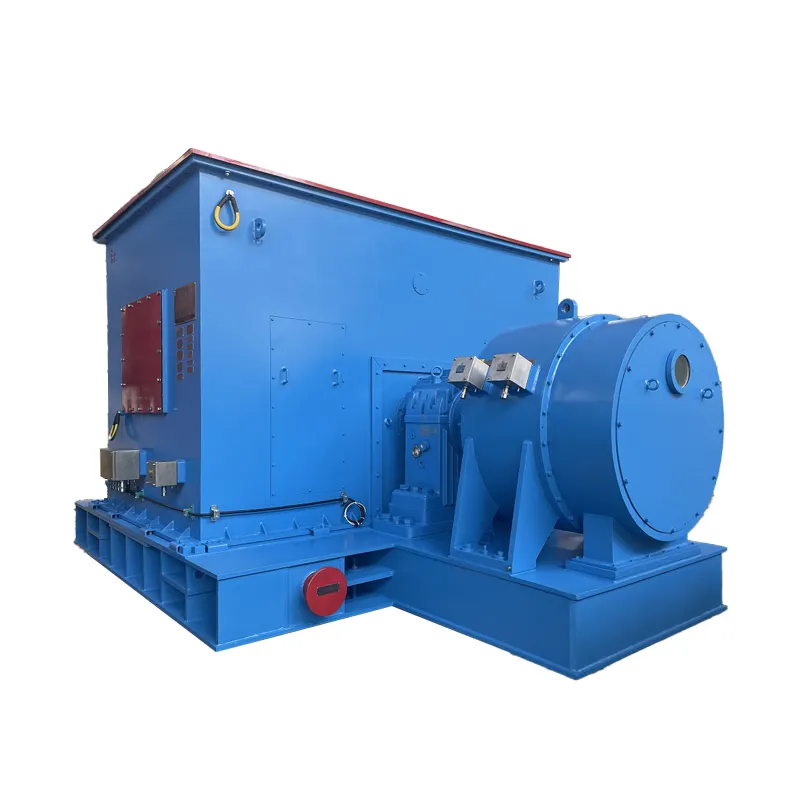
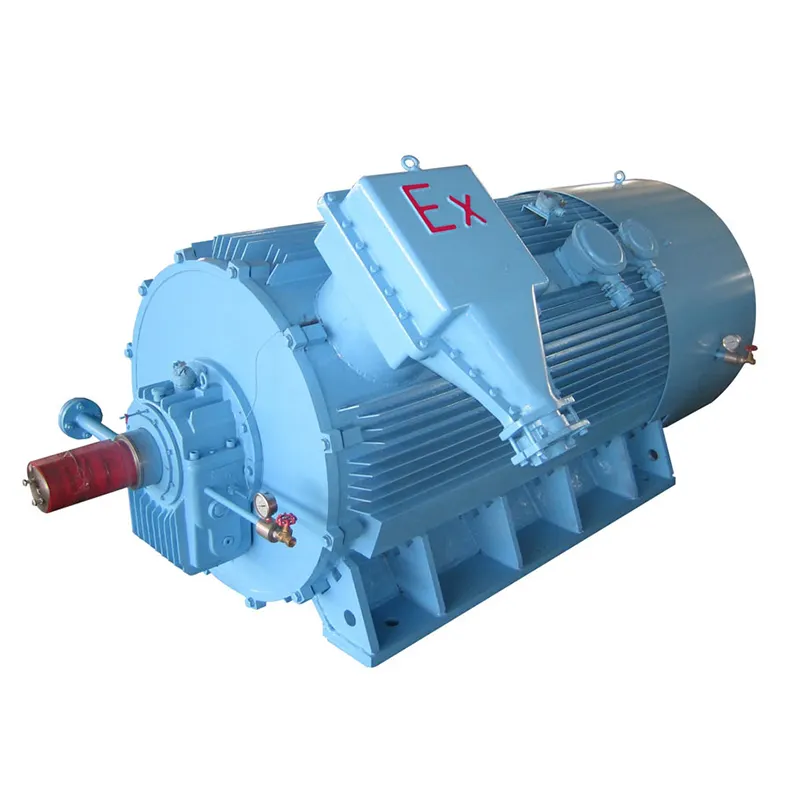
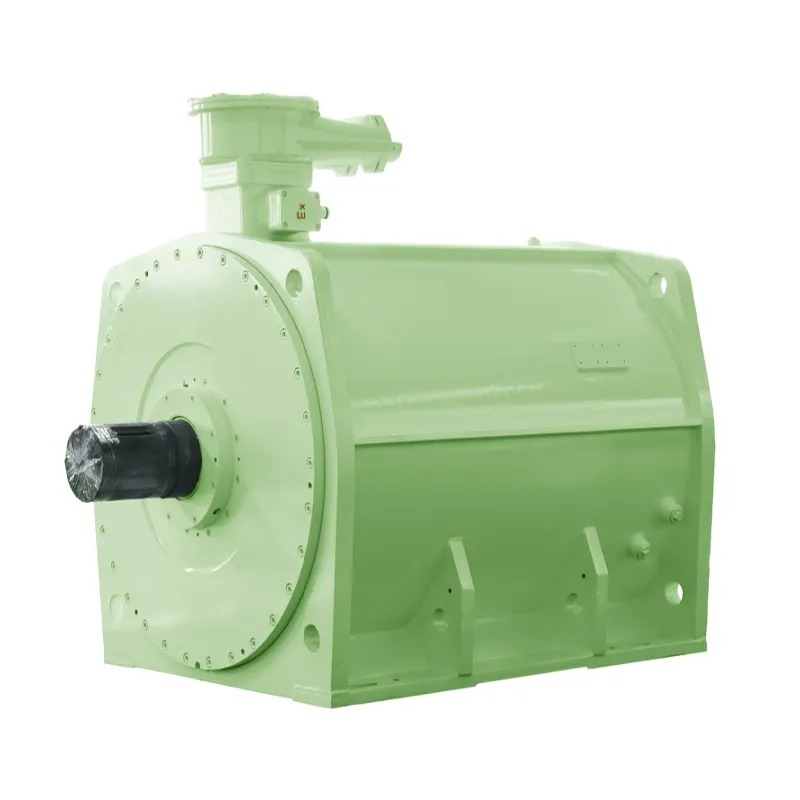
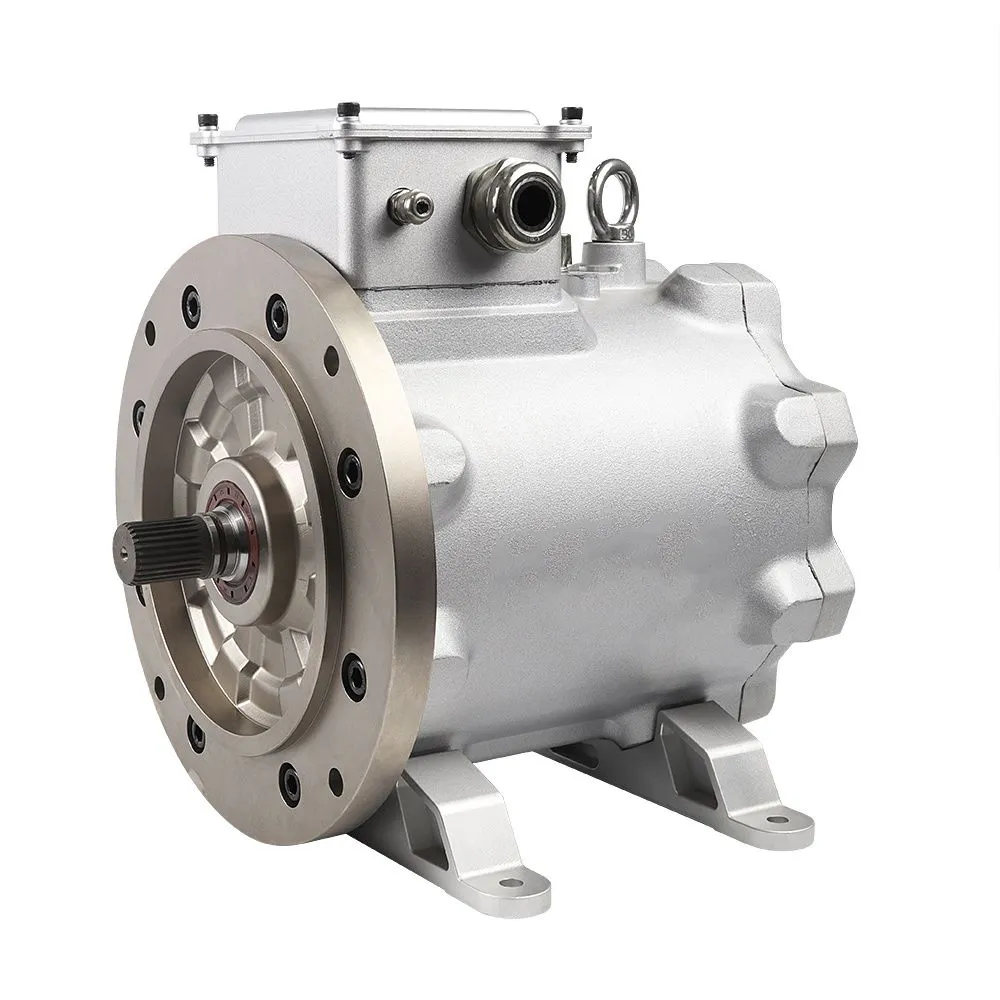
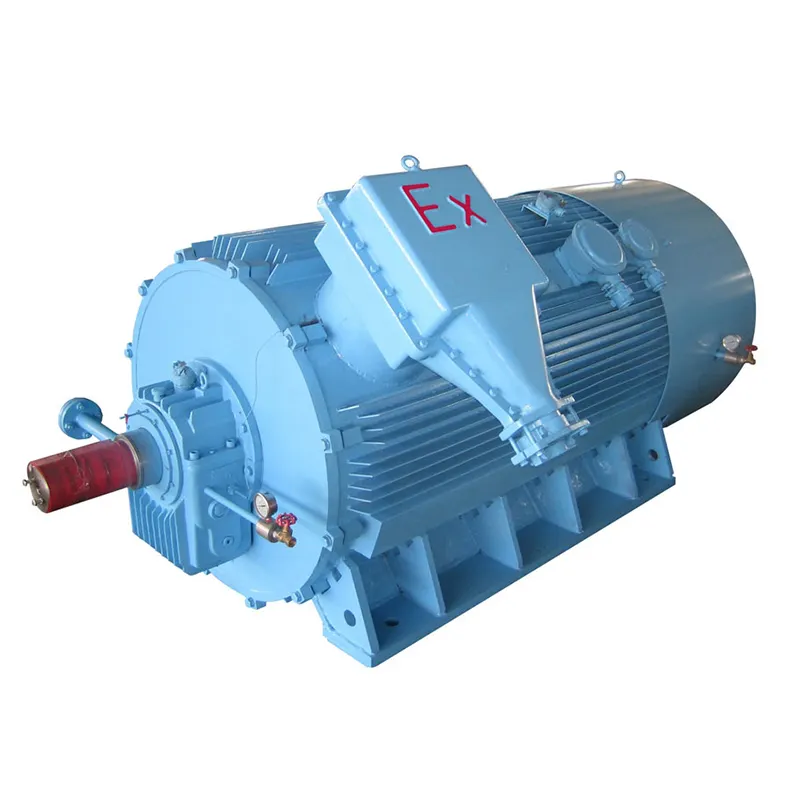
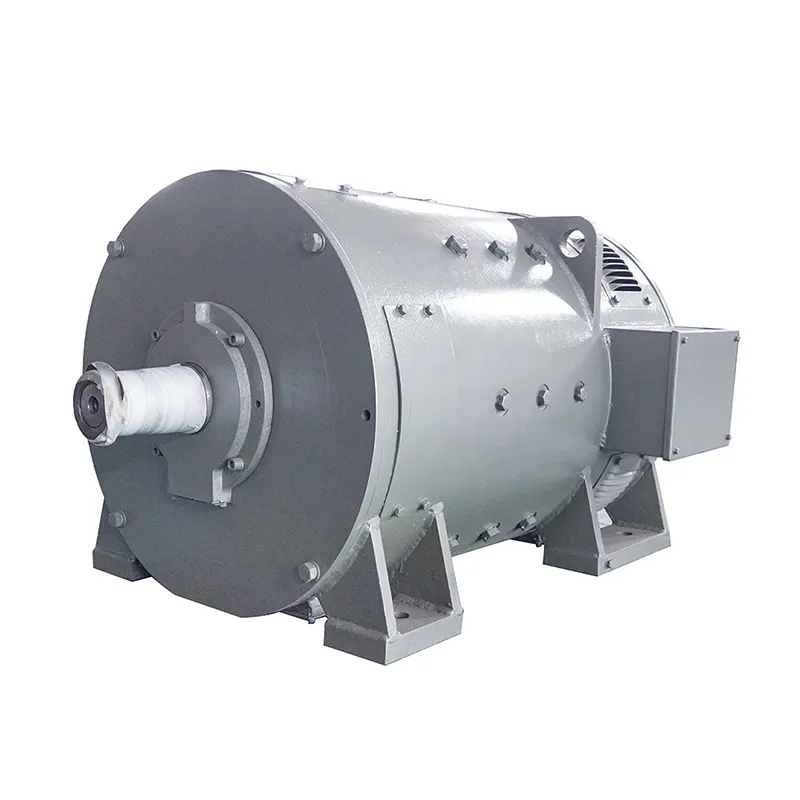
Industrial wound rotor induction motors must deliver high starting torque for large - inertia loads like crushers and conveyors, ensuring smooth startup without overloading the grid. Energy efficiency is critical to cut long - term costs and meet sustainability goals. Additionally, they need to withstand harsh conditions, including dust, moisture, and extreme temperatures, for reliable, continuous operation.
Advanced Technical Features
-
Optimized Rotor Design: The wound rotor with slip rings and brushes allows precise control of torque and speed by adjusting external resistors, reducing inrush current and mechanical stress.
-
High - Efficiency Components: Premium electrical steel and Class F/H insulation minimize losses and prevent breakdowns, enhancing performance and durability.
-
Effective Cooling: Forced - air or liquid cooling systems ensure efficient heat dissipation, enabling continuous heavy - load operation.
-
Smart Control Compatibility: Seamless integration with VFDs enables precise speed regulation, matching actual load demands and saving energy.
Industrial Application Scenarios
These motors are essential across industries. In mining, they power crushers and pumps, offering high torque and energy savings. In manufacturing, they drive mixers and mills, optimizing production. In power plants, they operate pumps and fans, ensuring stable generation. In chemical sectors, their customizable and explosion - proof designs power pumps and agitators safely.
TELLHOW Motor’s Advantages
TELLHOW offers top - tier motors with decades of expertise. Customized to fit specific industrial needs, they meet global standards like IEC, UL, and CE. The company provides full - cycle services, from selection to maintenance, and invests in R&D for innovative, high - efficiency designs.
Motor Selection Considerations
When choosing a motor, analyze load characteristics, prioritize IE3+ efficiency ratings for savings, assess environmental conditions to select the right enclosure, and ensure compatibility with required control systems like VFDs.
Future Industry Trends
Future motors will integrate IoT for predictive maintenance, adopt sustainable materials, and feature advanced control algorithms for better adaptability to load changes, enhancing overall efficiency and flexibility.

 EN
EN