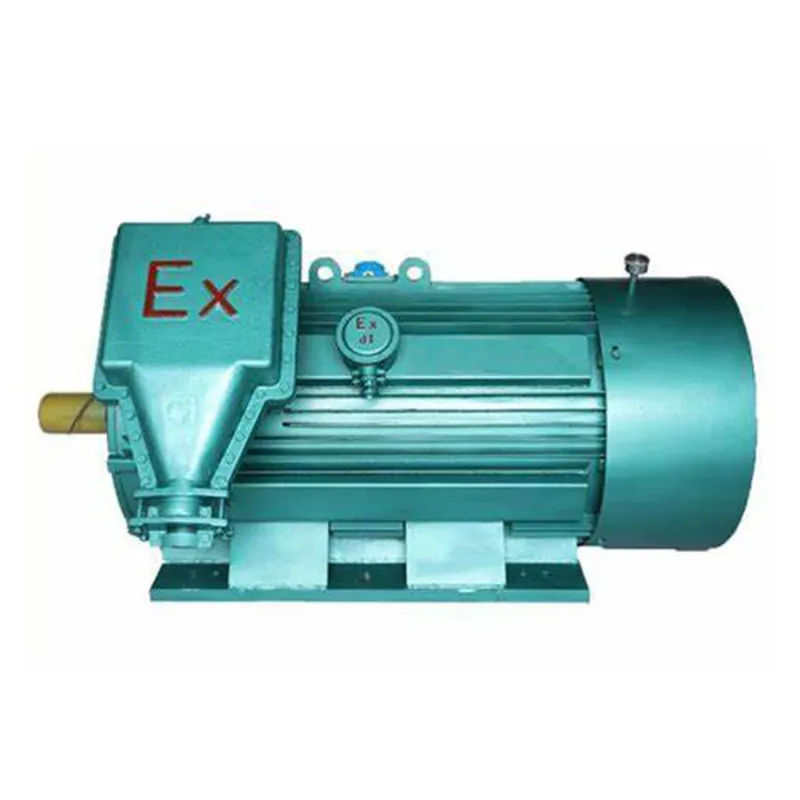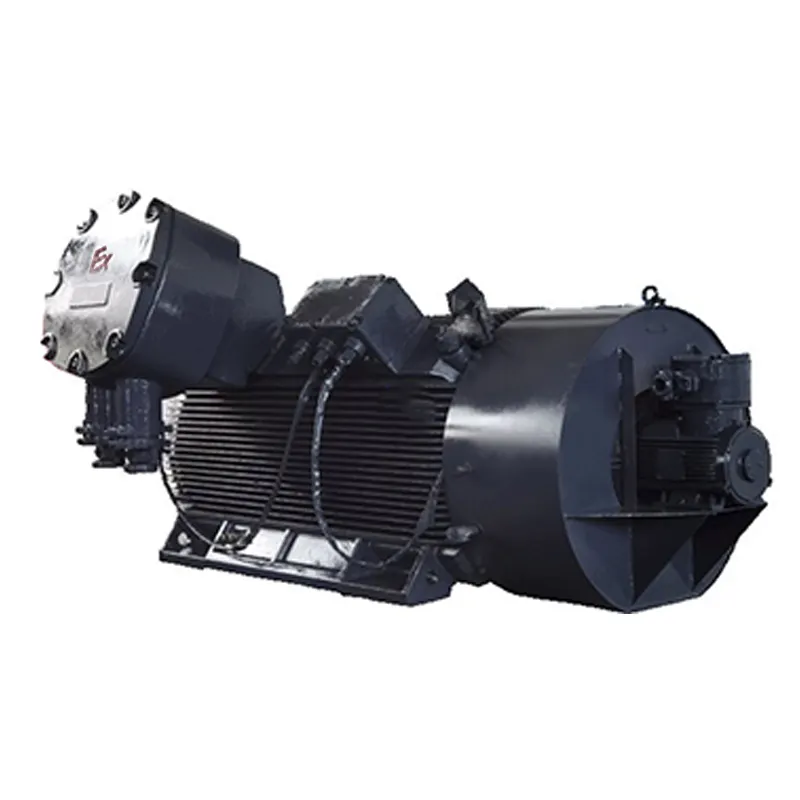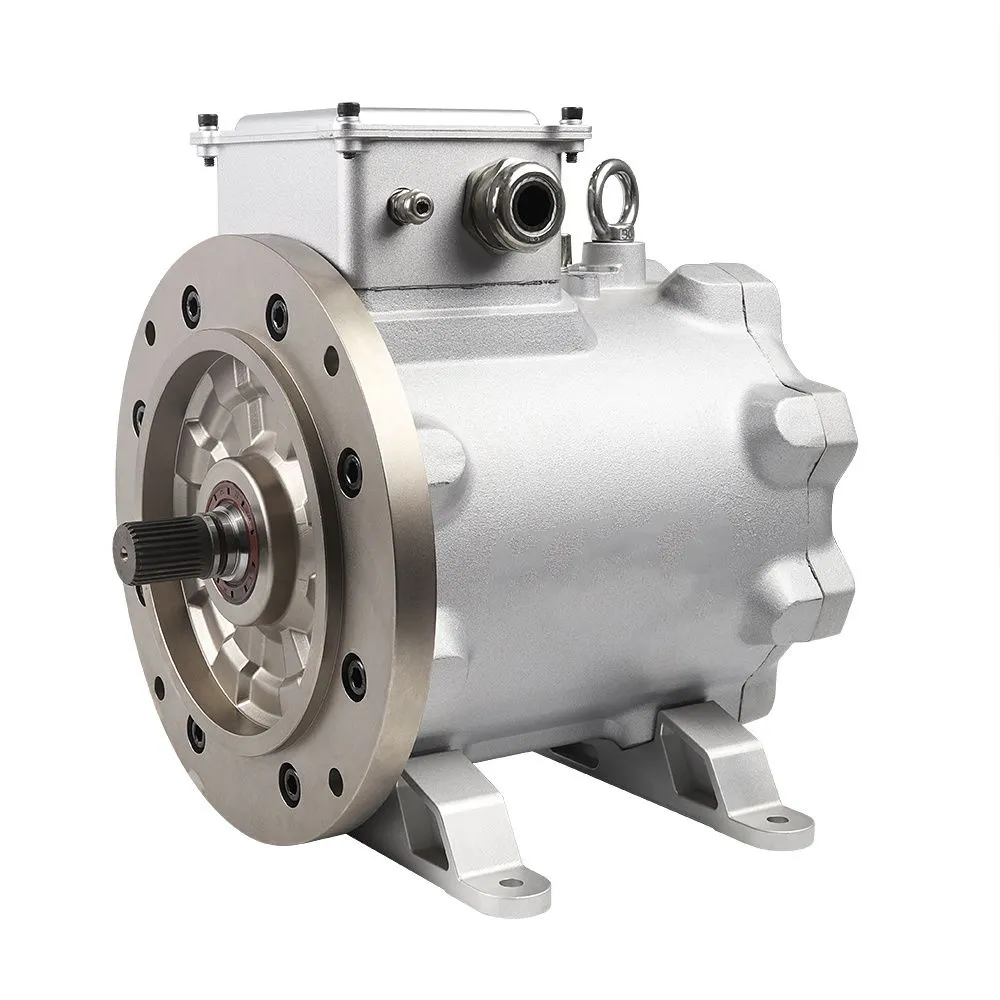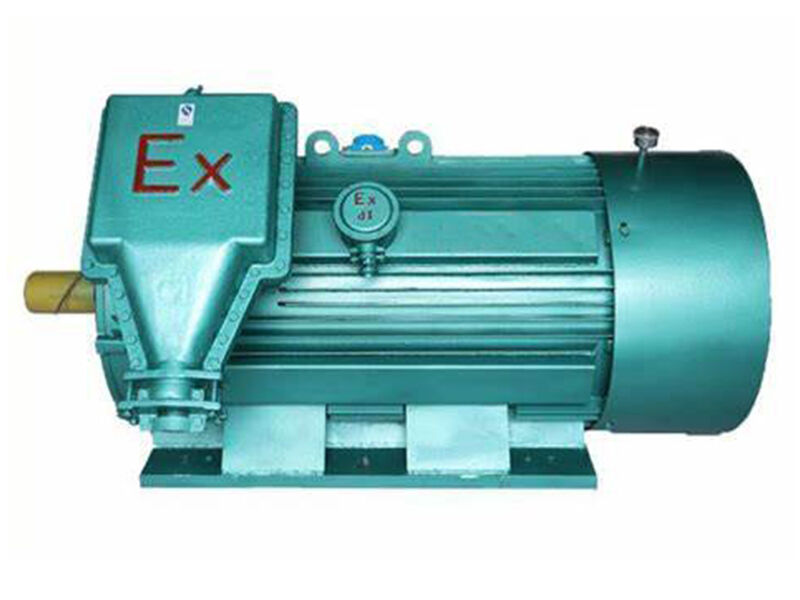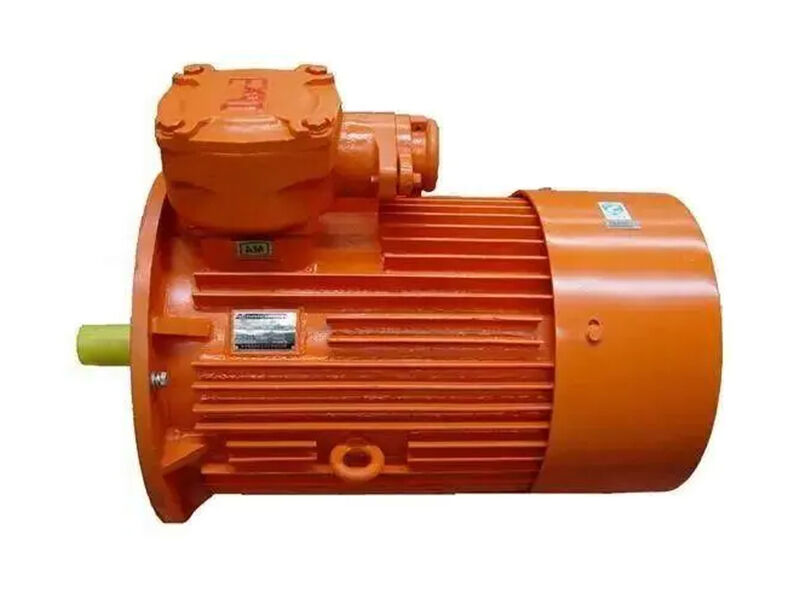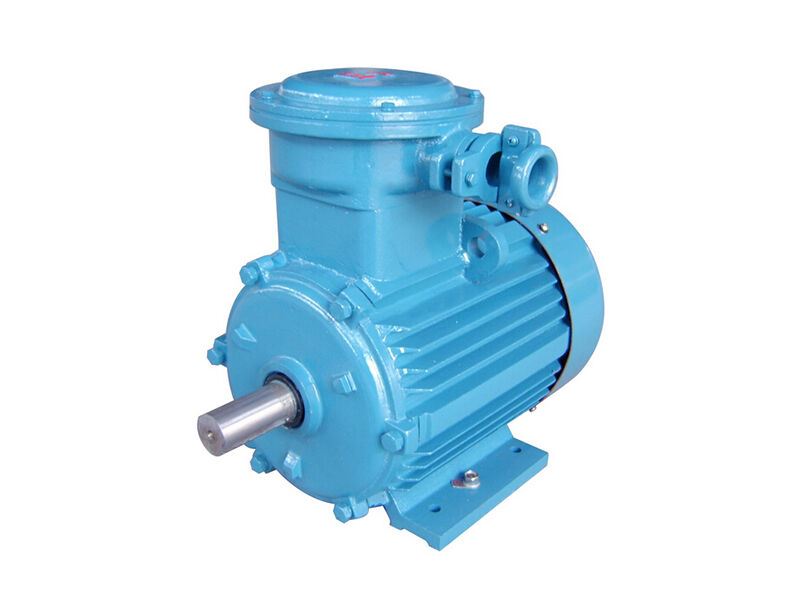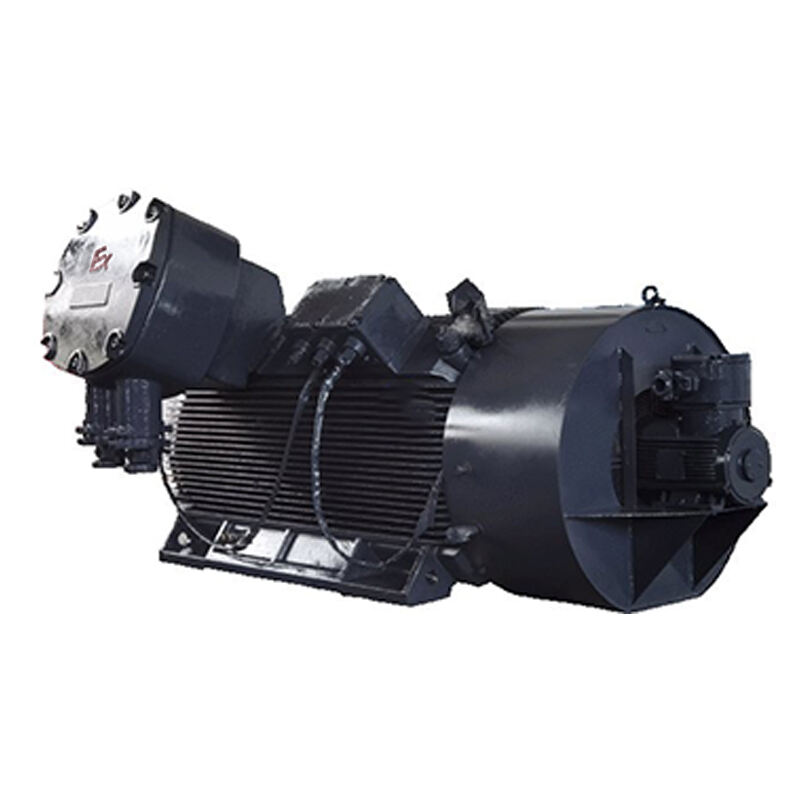
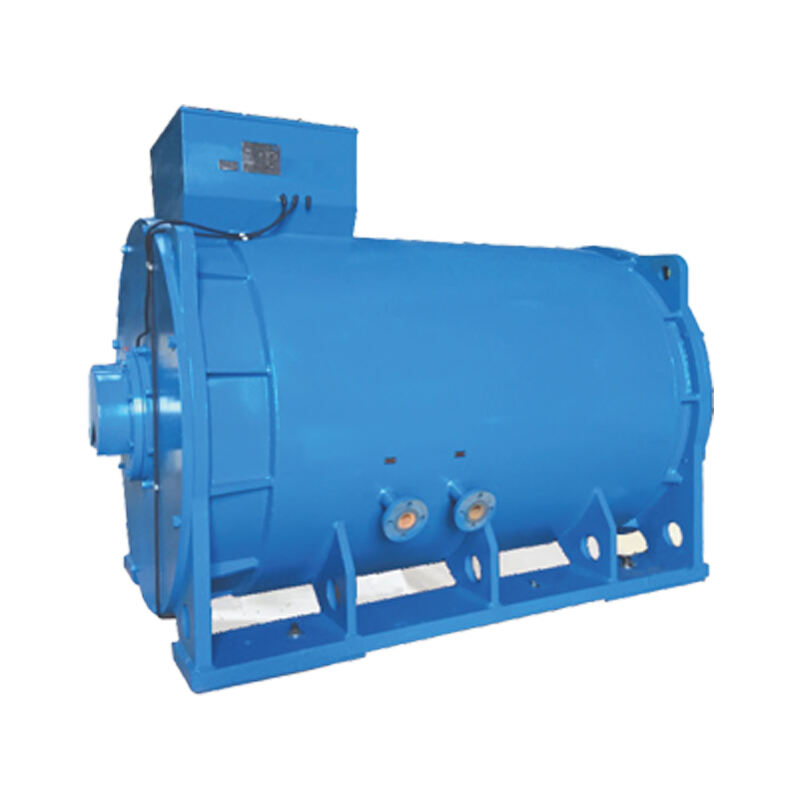
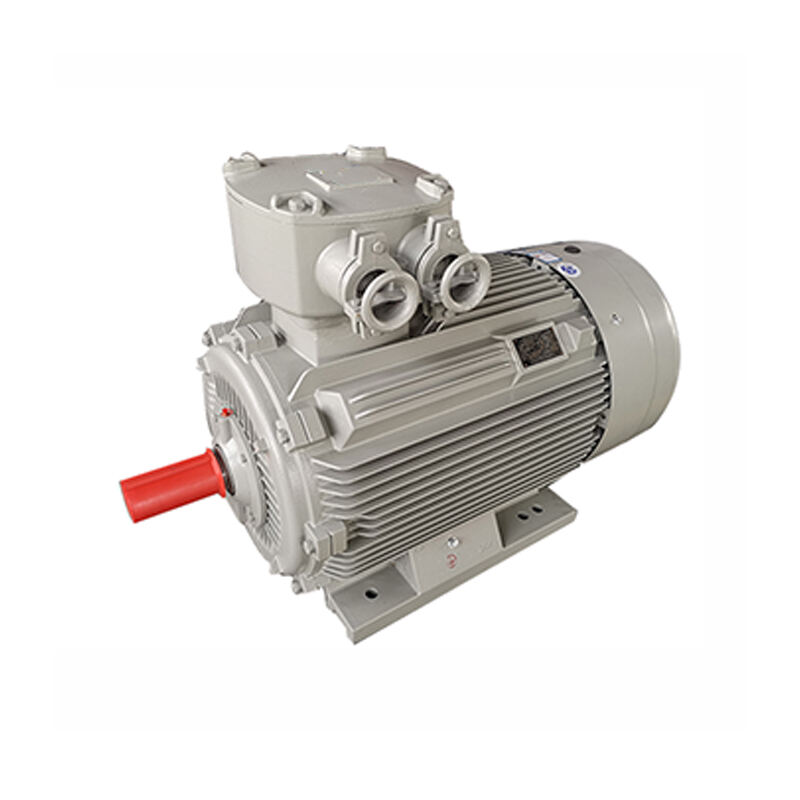
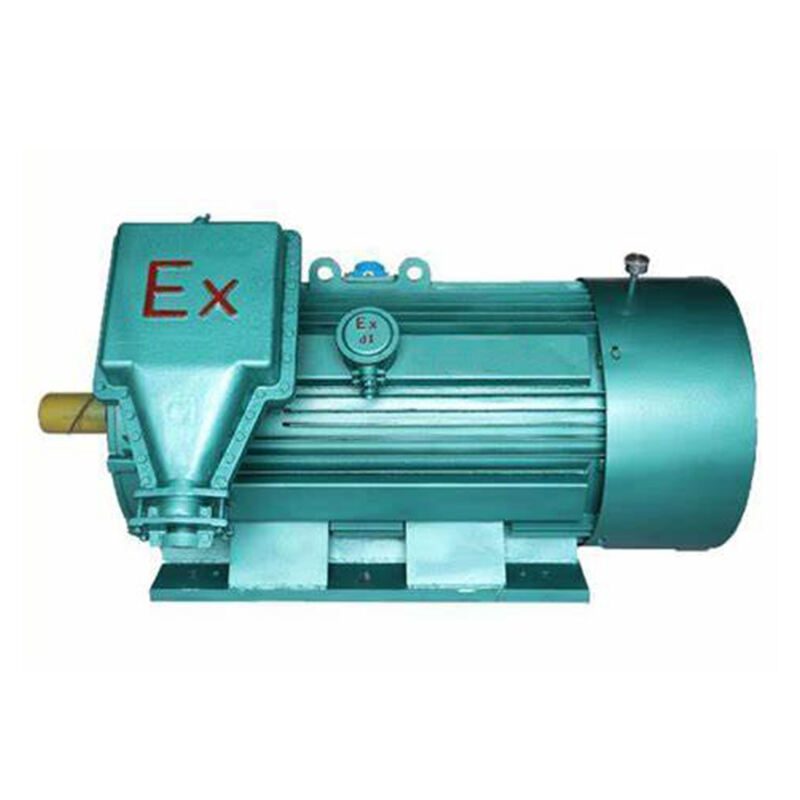
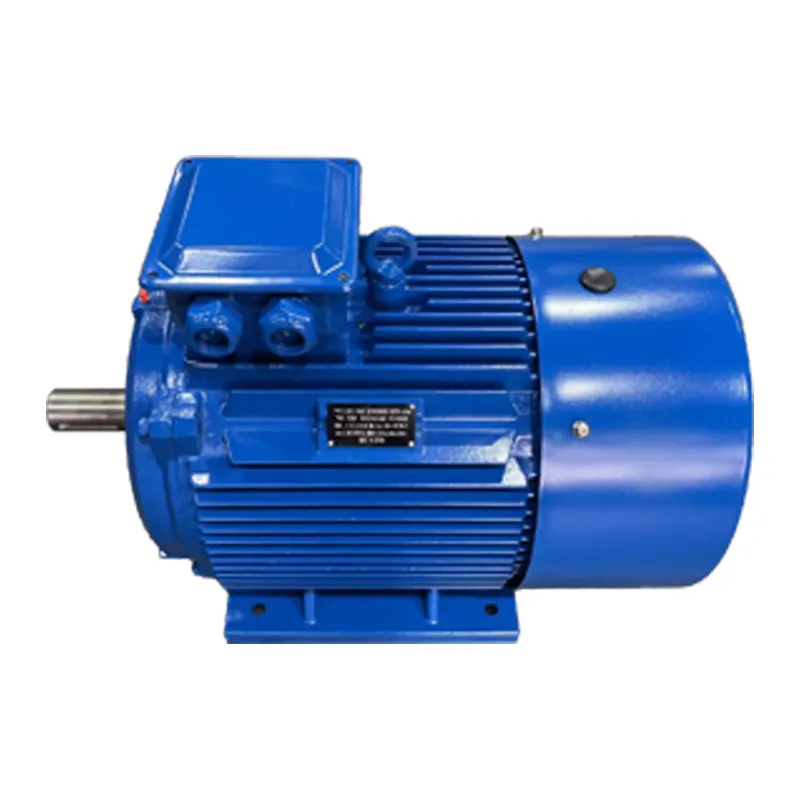
Flameproof motors for glass manufacturing plants are engineered to operate safely in environments characterized by high temperatures, airborne particles, and potential exposure to flammable substances. Glass production involves melting raw materials such as silica sand, soda ash, and limestone at temperatures exceeding 1500°C, creating radiant heat that can affect motor performance. Additionally, certain glass manufacturing processes use fuel gases like natural gas or propane for heating, introducing flammable elements into the atmosphere. These flameproof motors are constructed with heat resistant materials that can withstand ambient temperatures up to 100°C or higher, depending on their proximity to furnaces. The enclosures are designed to prevent the entry of glass dust and abrasive particles, which can cause premature wear and electrical failures. Specialized insulation systems resist thermal aging, ensuring the motors maintain their dielectric strength over extended periods of operation. Given the continuous nature of glass production, these motors are built for long duty cycles with minimal maintenance requirements. They often feature enhanced bearing protection and vibration damping to handle the mechanical stresses of machinery such as conveyor belts, mixers, and forming equipment. Compliance with explosion protection standards is critical, as even small sparks could ignite gas leaks or combustible dust, making these flameproof motors vital for maintaining safe and uninterrupted glass manufacturing operations.