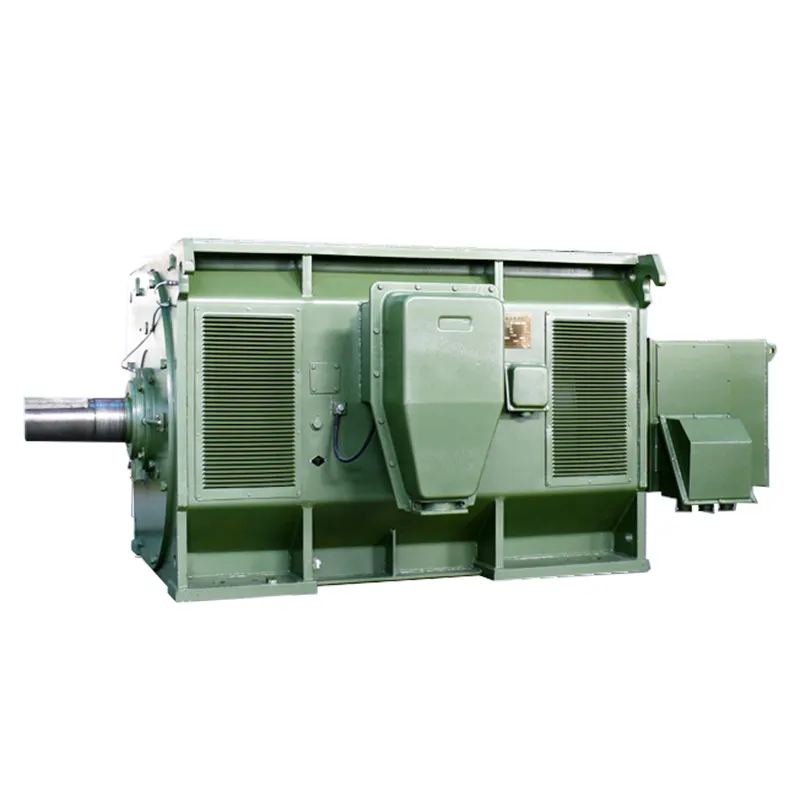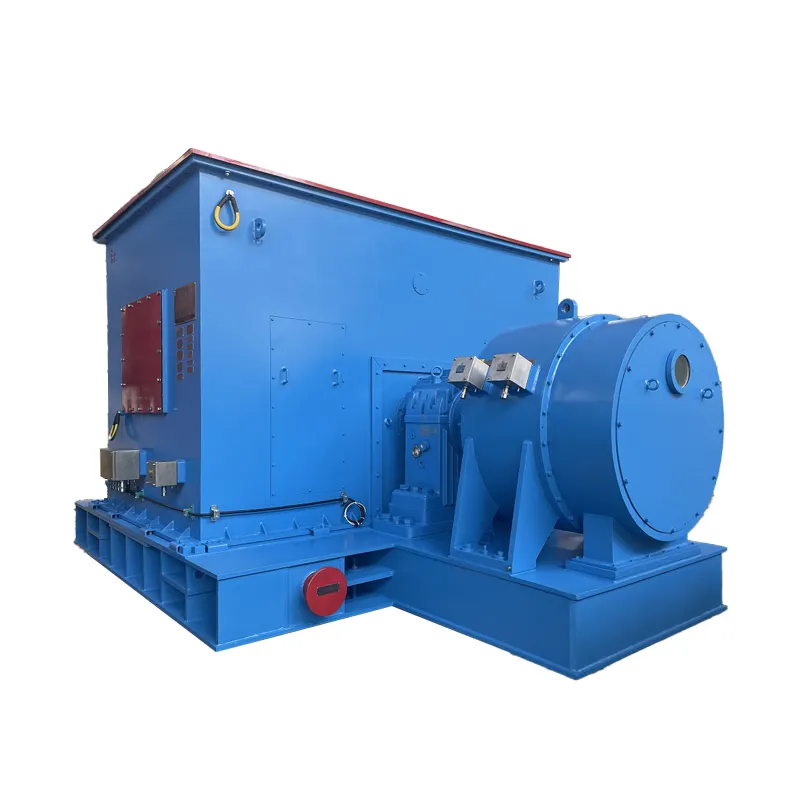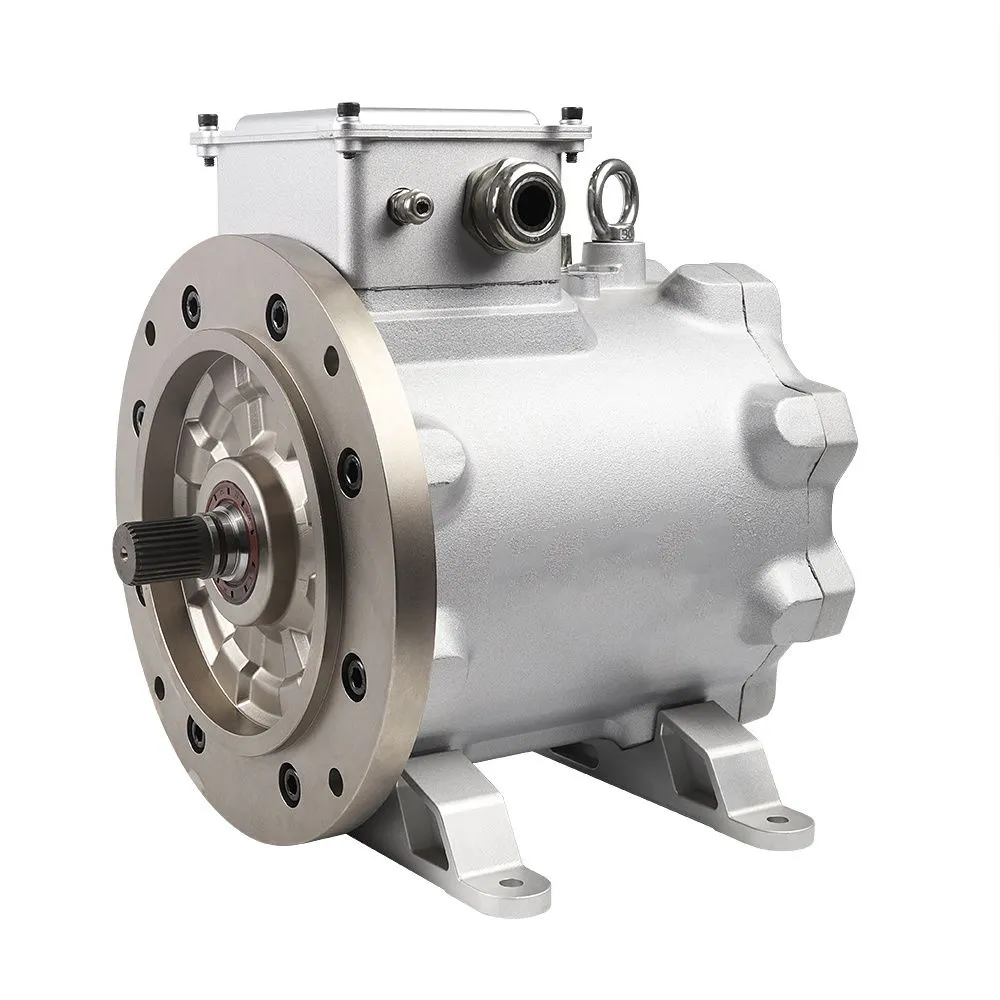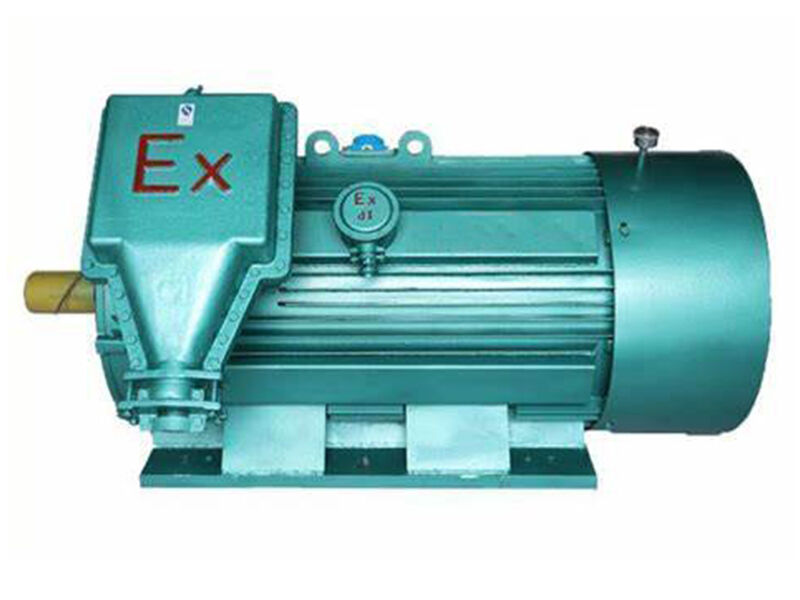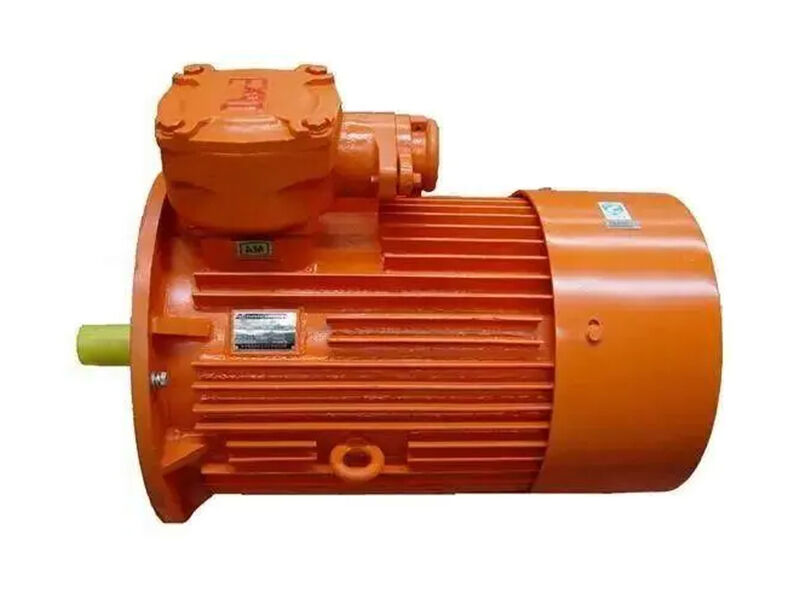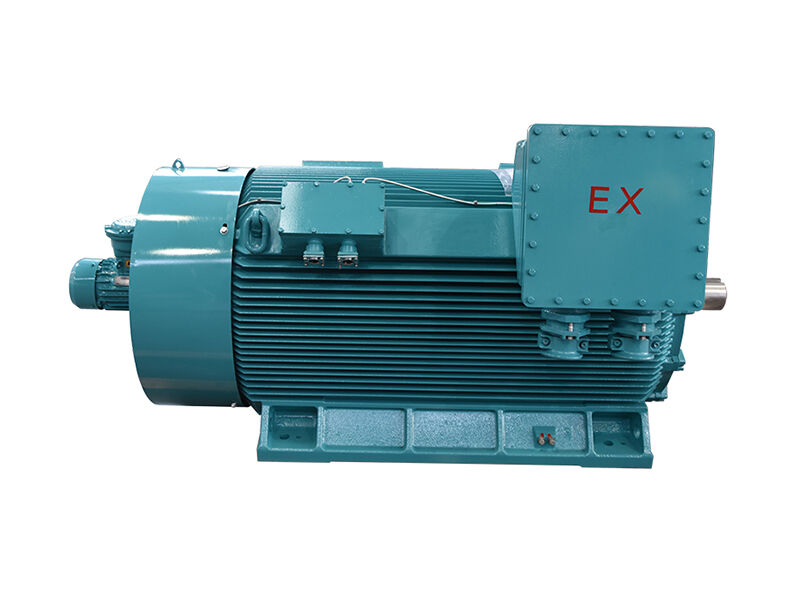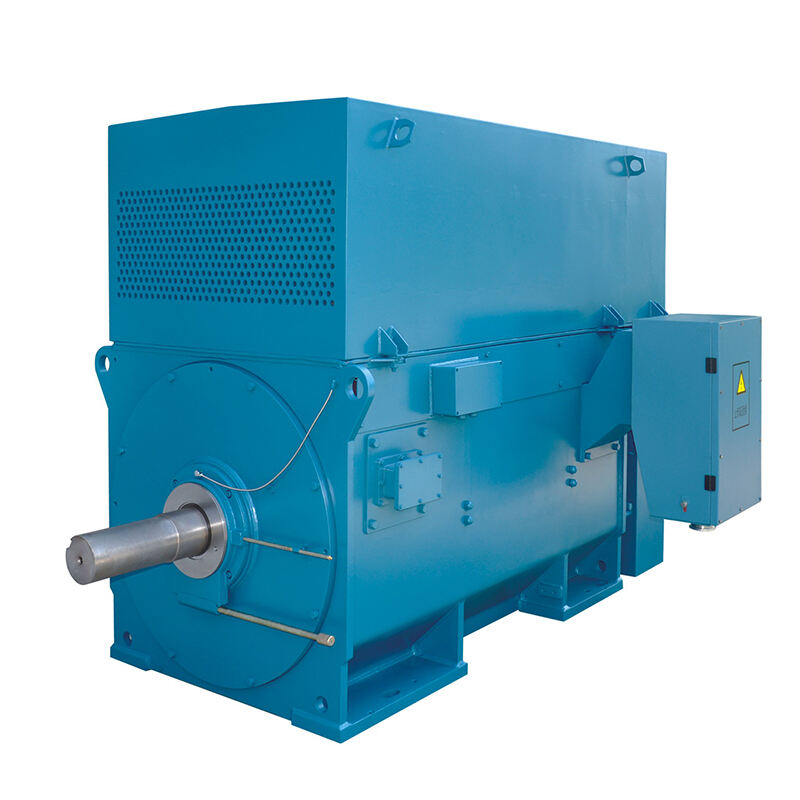
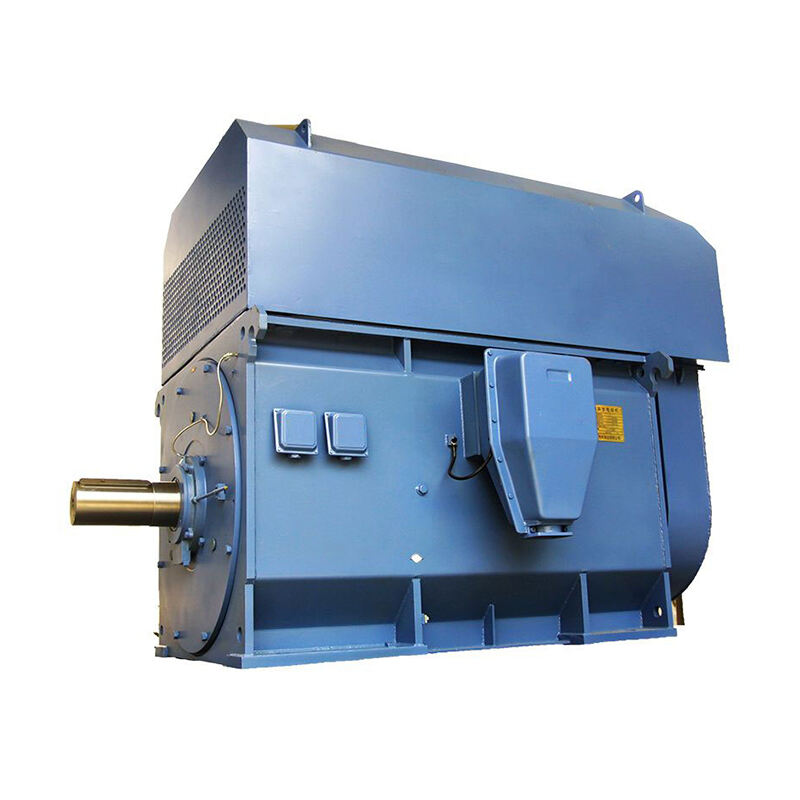
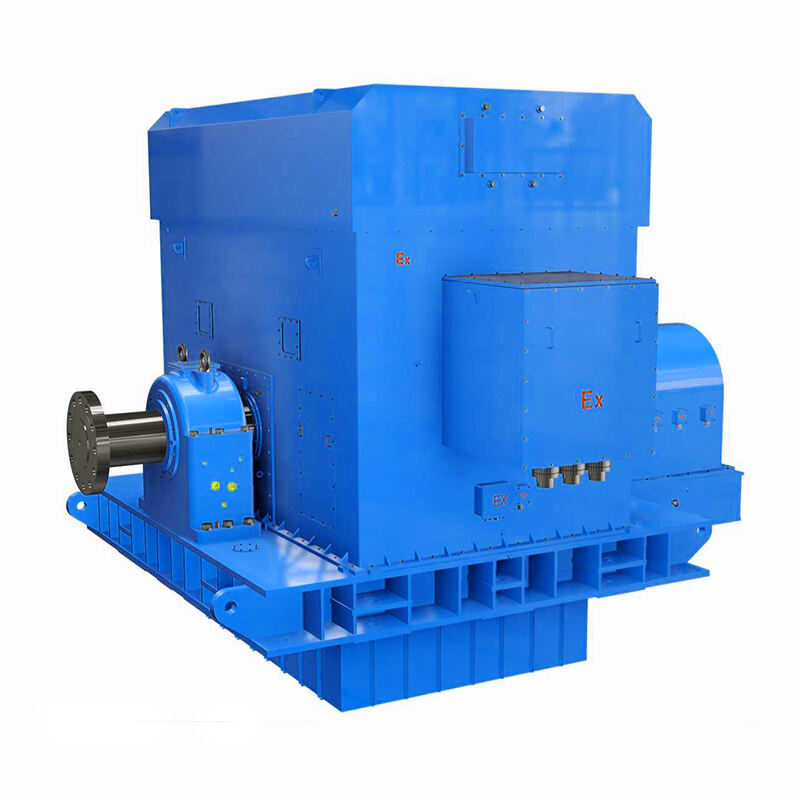
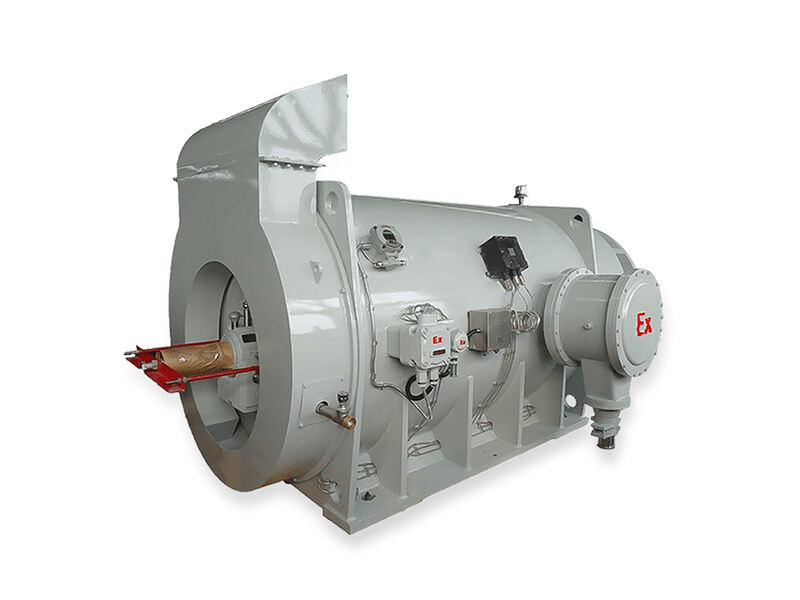
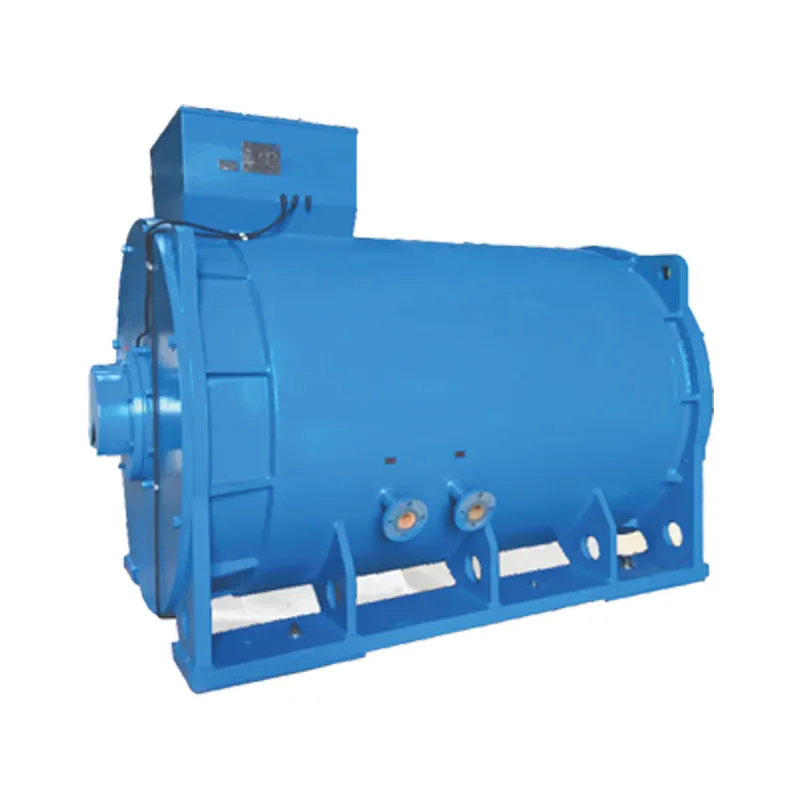
Flameproof motors for ventilation fans in hazardous environments are specialized devices engineered to prevent the ignition of flammable gases, vapors, dust, or fibers while ensuring adequate airflow in high risk areas such as chemical plants, oil refineries, grain silos, and paint booths. These motors, compliant with standards like ATEX, IECEx, and UL 1203, feature a flameproof enclosure designed to contain any internal explosion, ensuring that hot gases or sparks do not escape to ignite the surrounding atmosphere. Ventilation fans in hazardous environments play a critical role in maintaining safe air quality by removing toxic or flammable substances, controlling temperature, and preventing the buildup of explosive concentrations. The motors powering these fans must deliver reliable, continuous performance under harsh conditions, including exposure to corrosive chemicals, high humidity, and abrasive dust. Flameproof motors for this application are constructed with robust materials: enclosures are typically made from cast iron or steel, machined with precise flame paths—narrow gaps between mating surfaces that cool and extinguish escaping gases, preventing them from reaching ignition temperatures. Internal components, such as windings, are insulated with materials resistant to heat and chemical degradation (e.g., silicone based insulation for Class H temperature ratings), ensuring electrical integrity even in extreme conditions. The motors are designed to operate at variable speeds, often paired with VFDs to adjust fan airflow based on real time gas or dust concentration levels monitored via sensors. This not only optimizes energy use but also ensures that ventilation rates are sufficient to keep hazardous substances below explosive limits. For example, in a grain silo, the motor can increase fan speed if dust levels rise, preventing a potential explosion. Flameproof motors for ventilation fans also incorporate features to enhance safety and durability, such as sealed bearings to prevent dust ingress, corrosion resistant coatings to withstand chemical exposure, and thermal overload protection to prevent overheating. They undergo rigorous testing, including pressure testing (to verify enclosure integrity under explosion conditions), temperature cycling, and vibration analysis, to validate performance in hazardous environments. Installation and maintenance are designed to preserve flameproof integrity: all connections