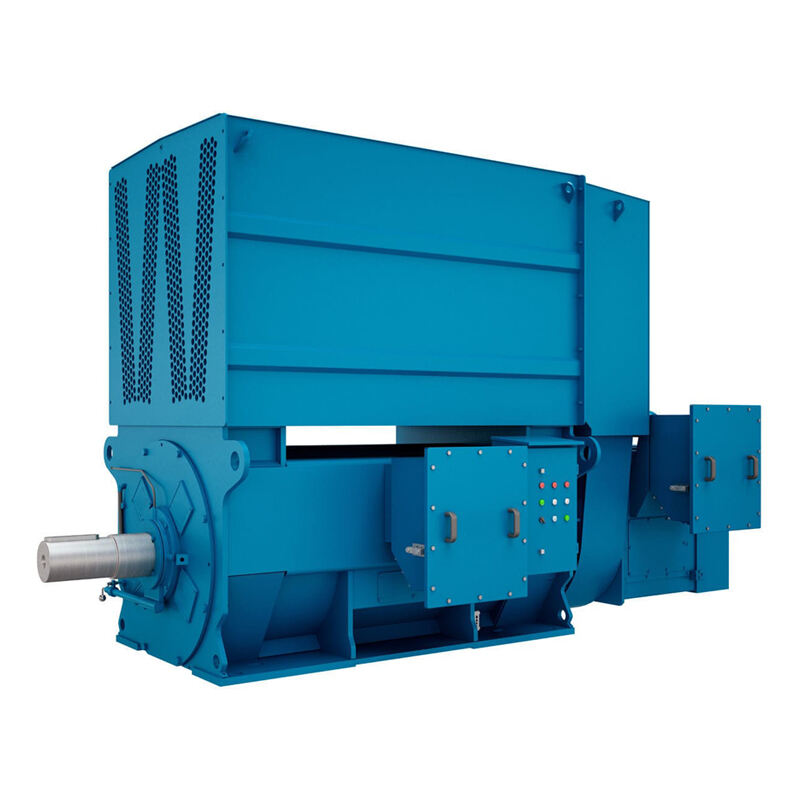
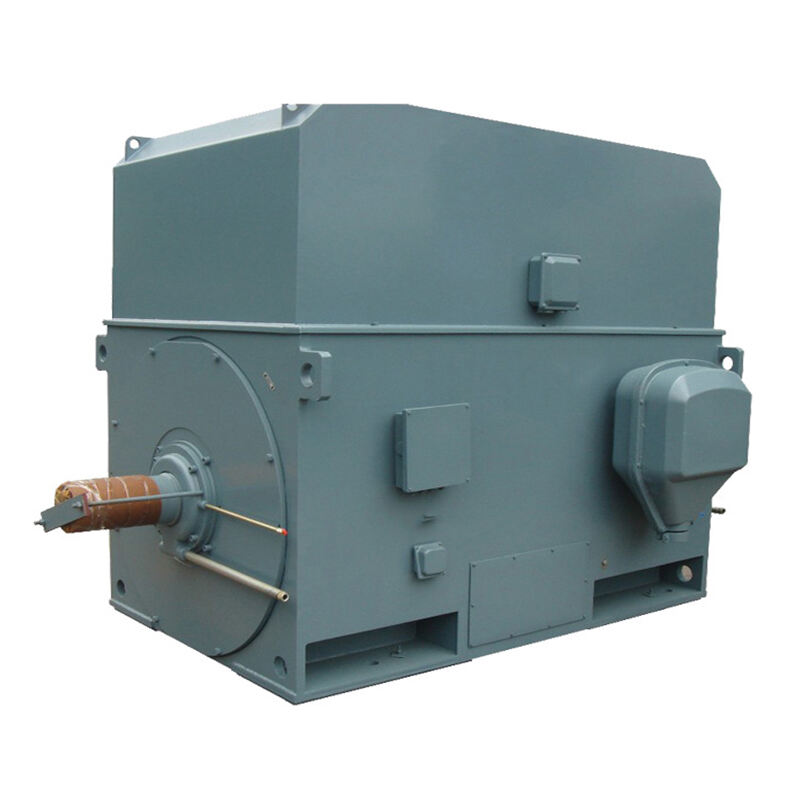
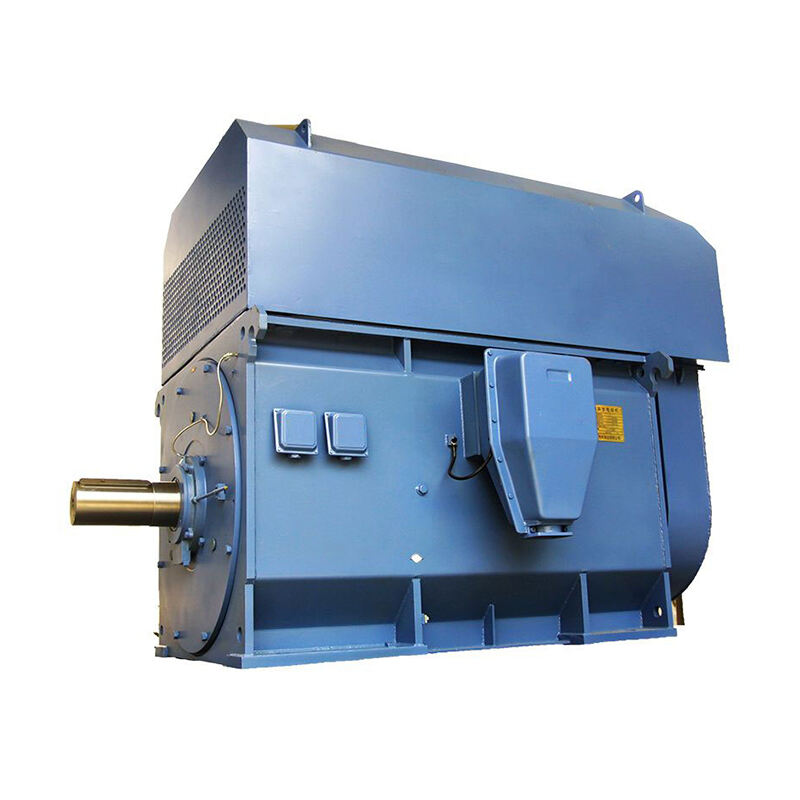
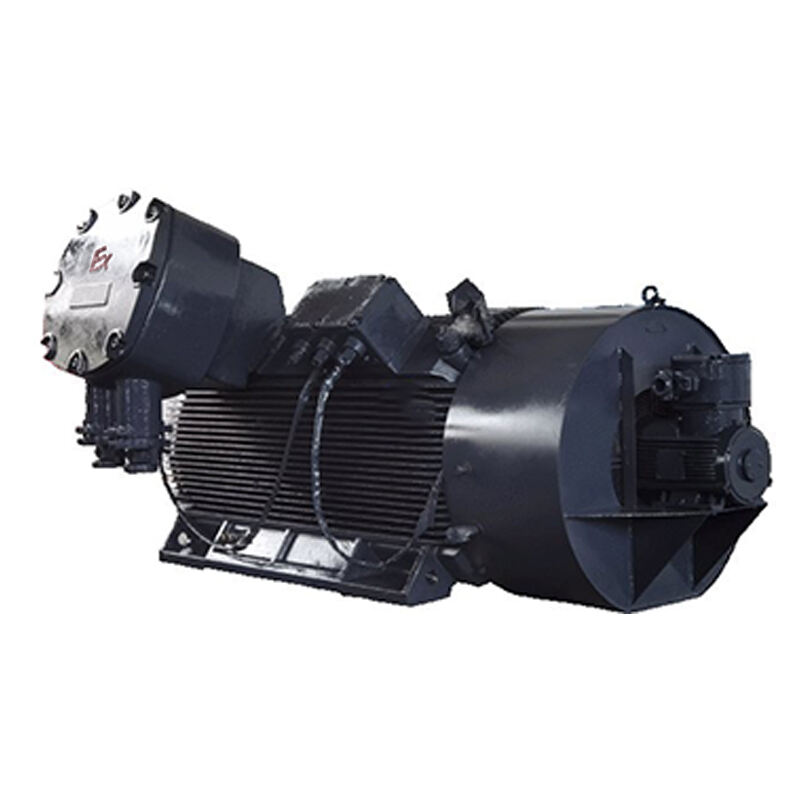
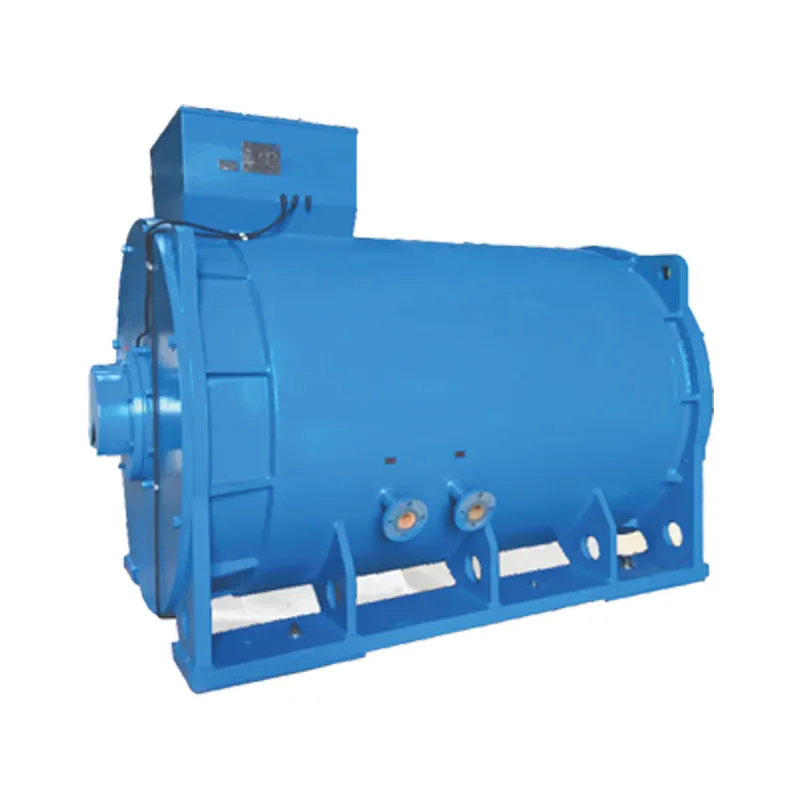
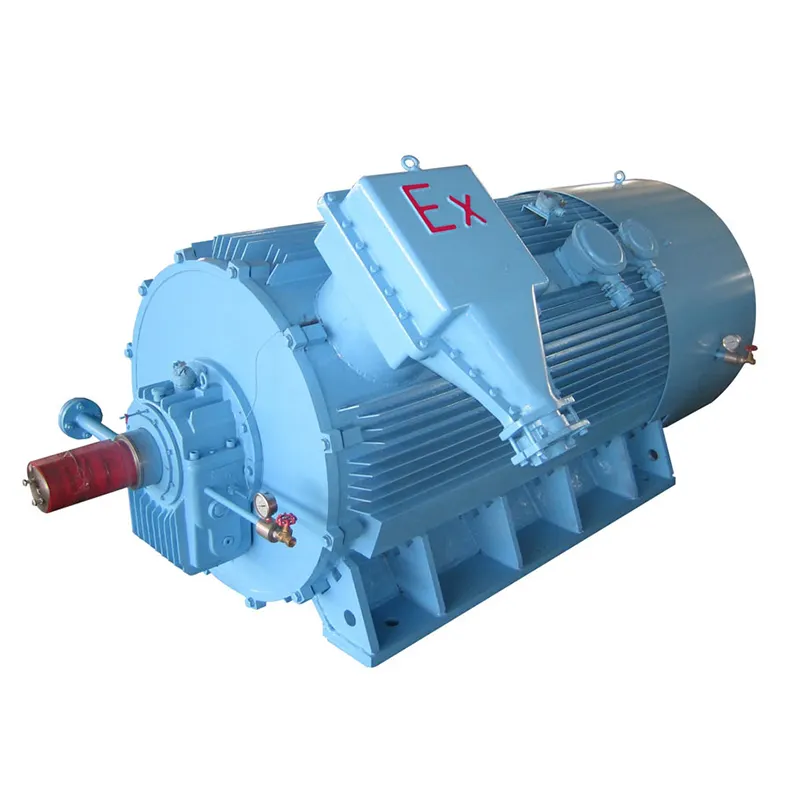
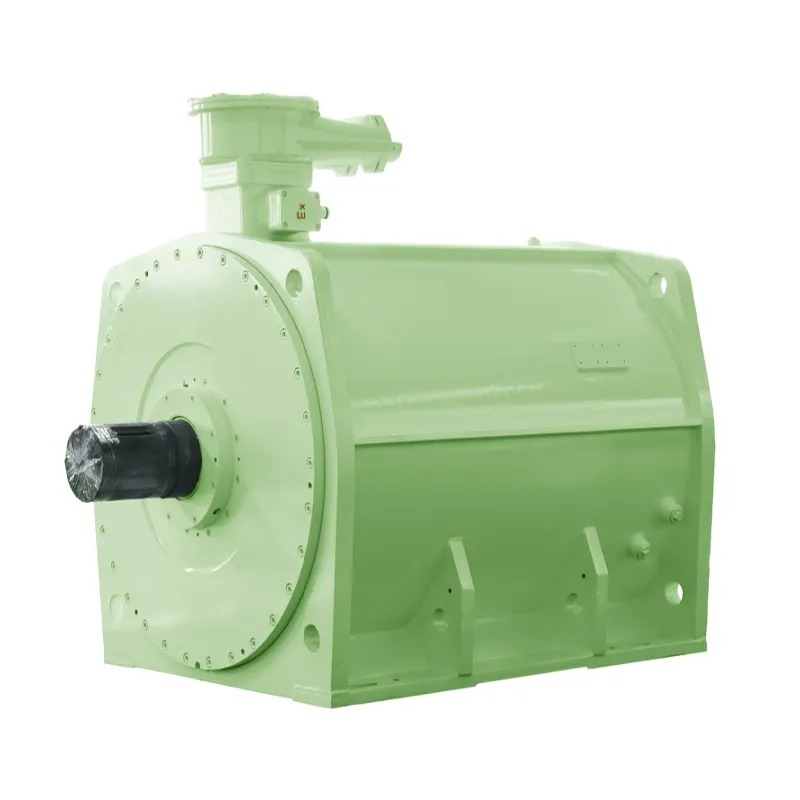
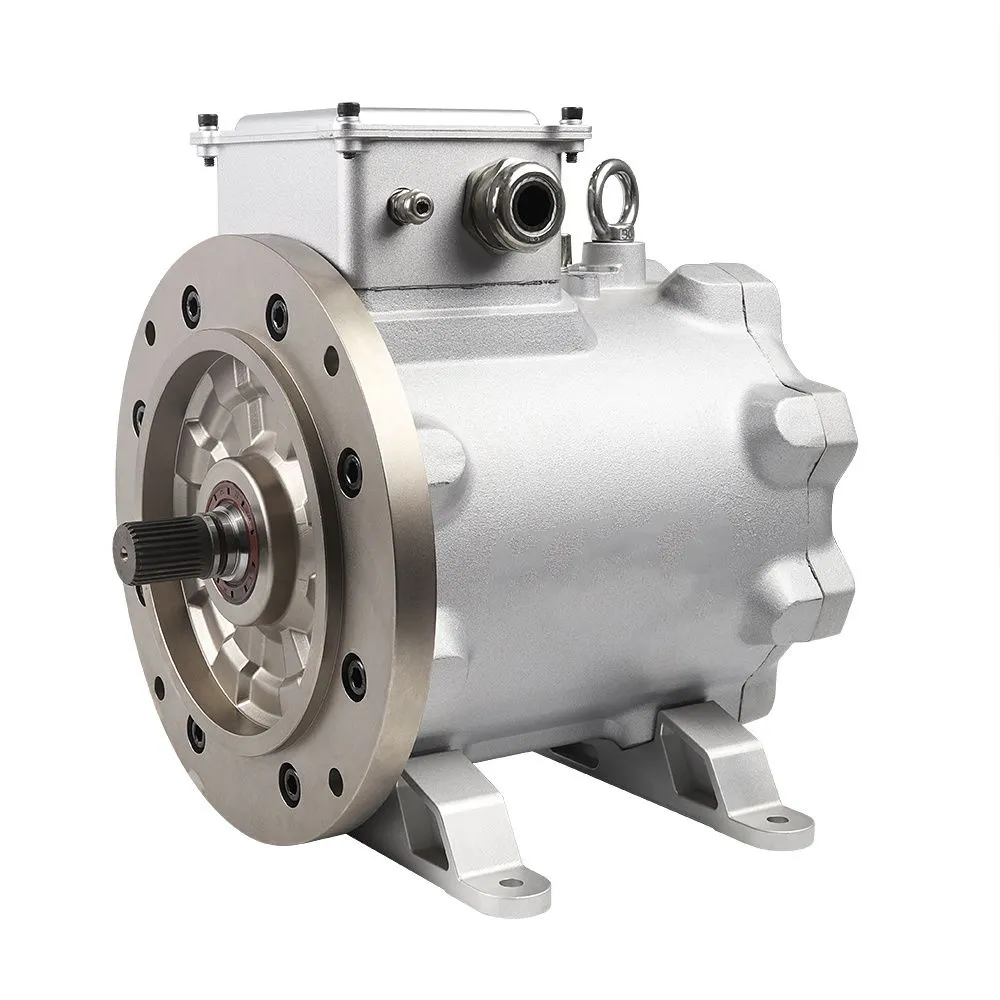
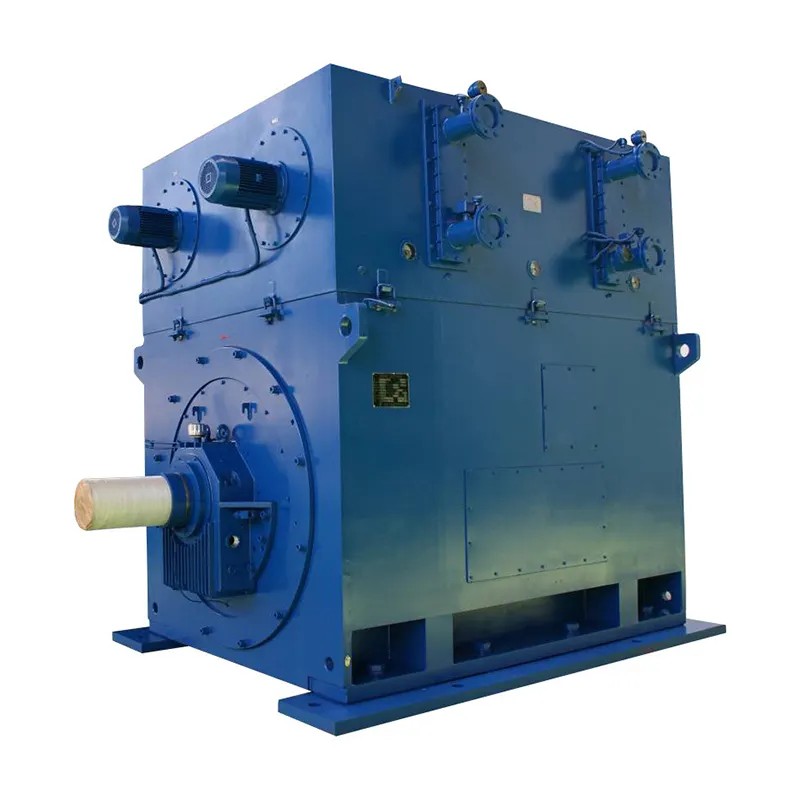
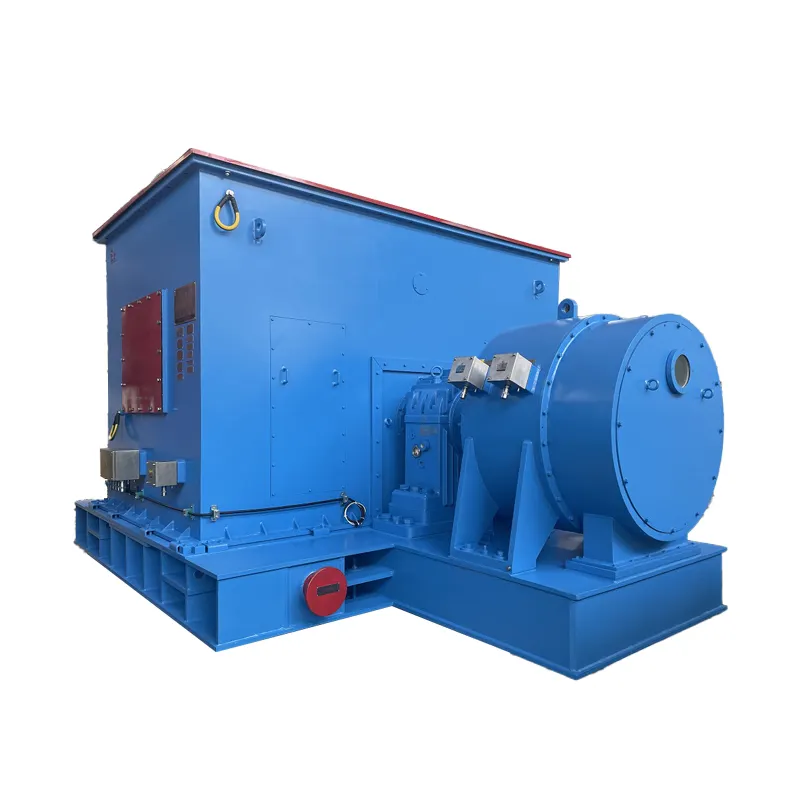
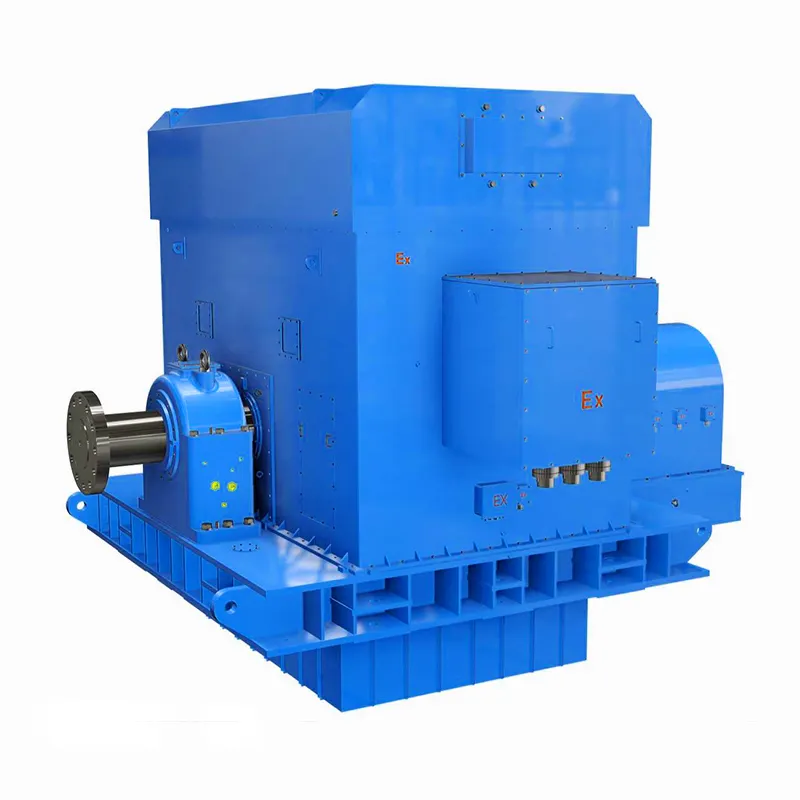
High voltage DC motors, operating at voltages between 600V and 3kV, are vital components in metallurgical processes, powering heavy duty equipment used in steelmaking, aluminum production, and metal processing. These motors deliver high torque, precise speed control, and durability, essential for handling the extreme conditions of metallurgical operations, including high temperatures, heavy loads, and cyclic stress. In steel mills, high voltage DC motors drive rolling mills that shape red hot steel billets into sheets, bars, and plates. The motors’ ability to deliver high torque at low speeds ensures consistent pressure on the metal, maintaining uniform thickness and surface quality. Precise speed control via DC drives allows operators to adjust rolling speed based on steel grade and desired thickness, optimizing production efficiency and reducing material waste. DC motors also power blooming mills that break down large ingots into smaller billets, with robust construction to withstand the high impact loads of initial metal deformation. In aluminum smelting, these motors drive anode rotation systems and pot tending machines, operating in environments with high temperatures and corrosive fumes from molten aluminum and electrolytes. Motors feature specialized insulation and enclosure materials resistant to corrosion and thermal degradation, ensuring reliable operation in these harsh conditions. They also power conveyor systems that transport molten metal ladles, requiring high starting torque to move heavy loads and precise speed control to prevent spills and ensure safety. In metal processing facilities, high voltage DC motors drive grinding mills and crushers that reduce scrap metal and ore into manageable sizes. Their ability to handle frequent start stop cycles and varying loads makes them ideal for these applications, with durable bearings and cooling systems designed for continuous operation. DC drives enable soft starting, reducing mechanical stress on equipment and minimizing inrush currents that could strain the power grid. Advanced monitoring systems track motor performance, including temperature, vibration, and commutator condition (in brushed motors), enabling predictive maintenance to reduce downtime in continuous production environments. By combining high torque output, precise control, and resistance to harsh conditions, high voltage DC motors play a crucial role in enhancing productivity and ensuring the quality of metallurgical processes.

 EN
EN