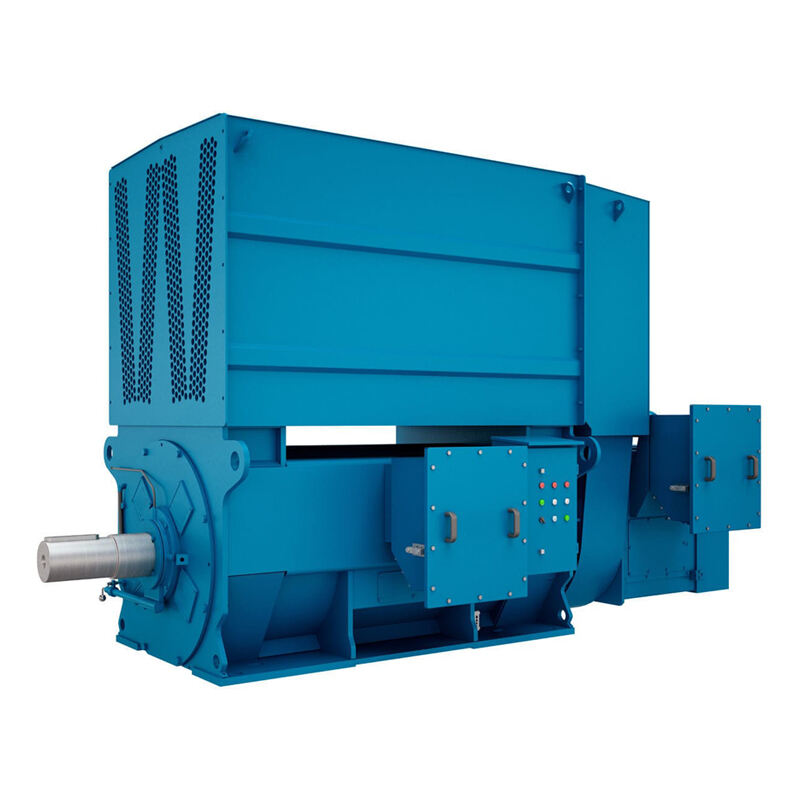
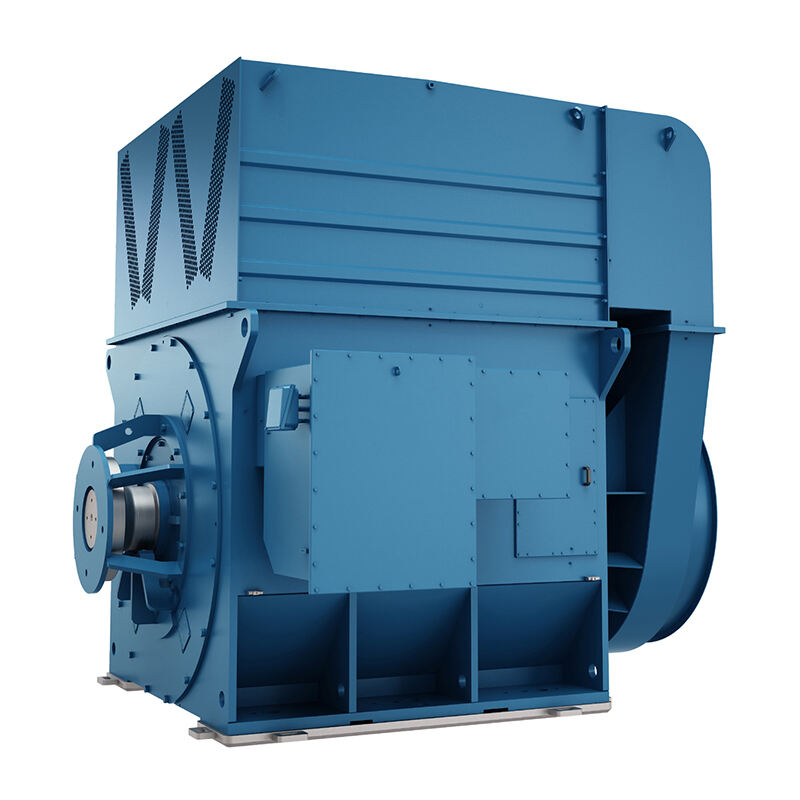
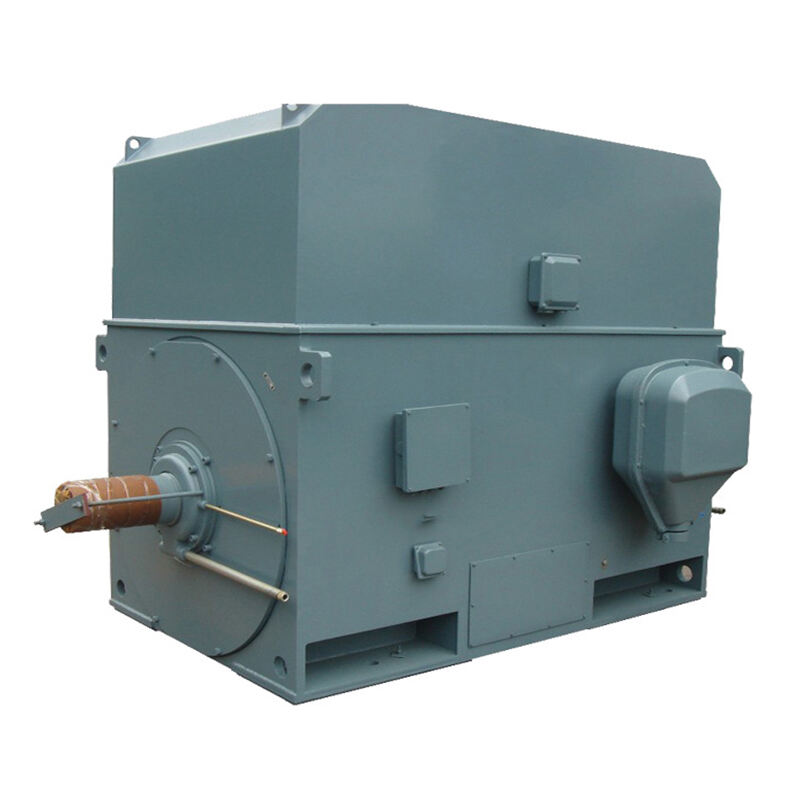
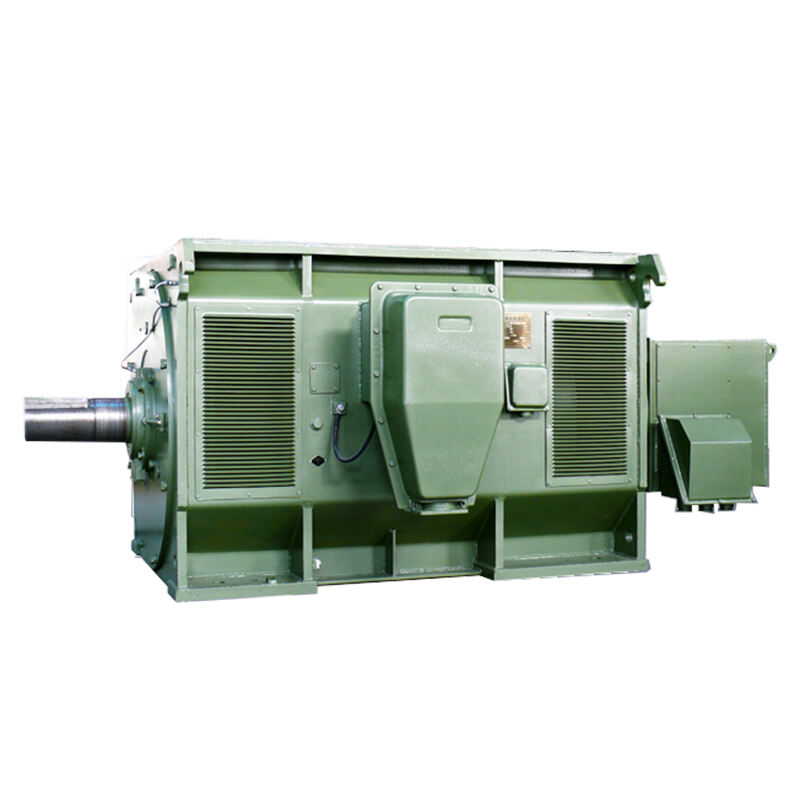
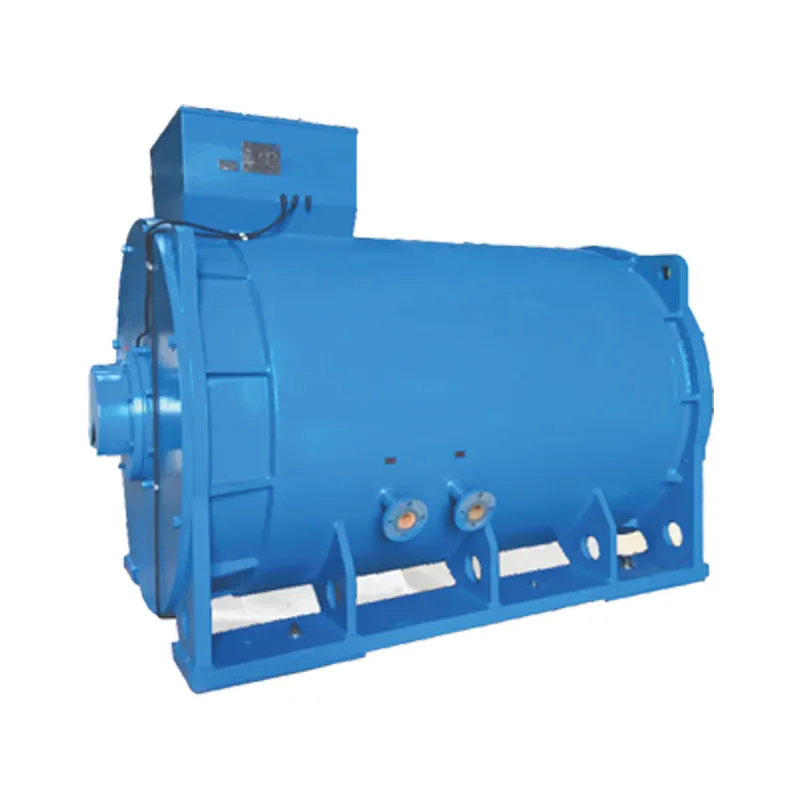
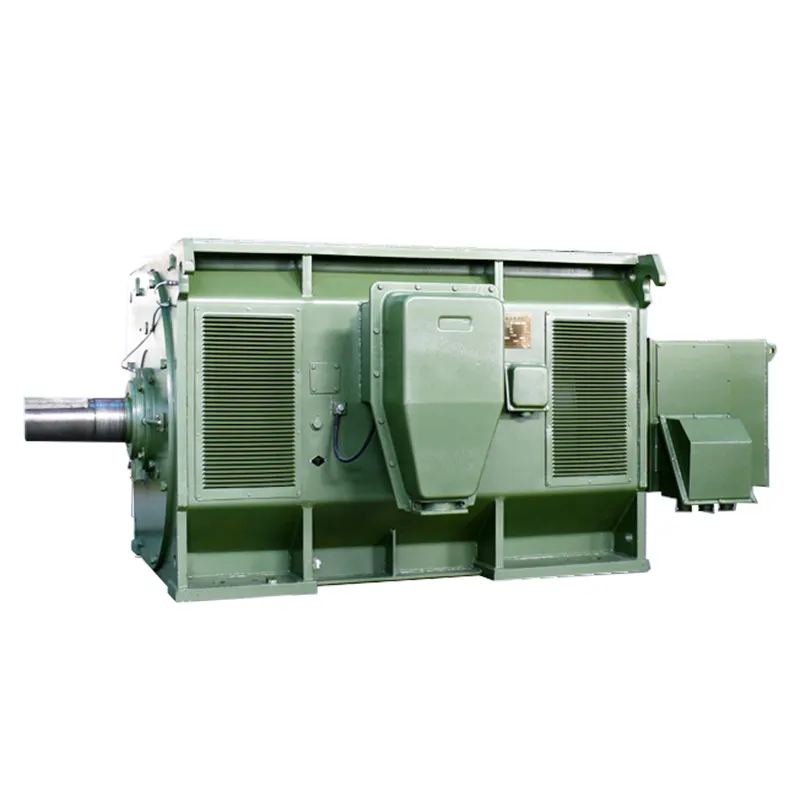
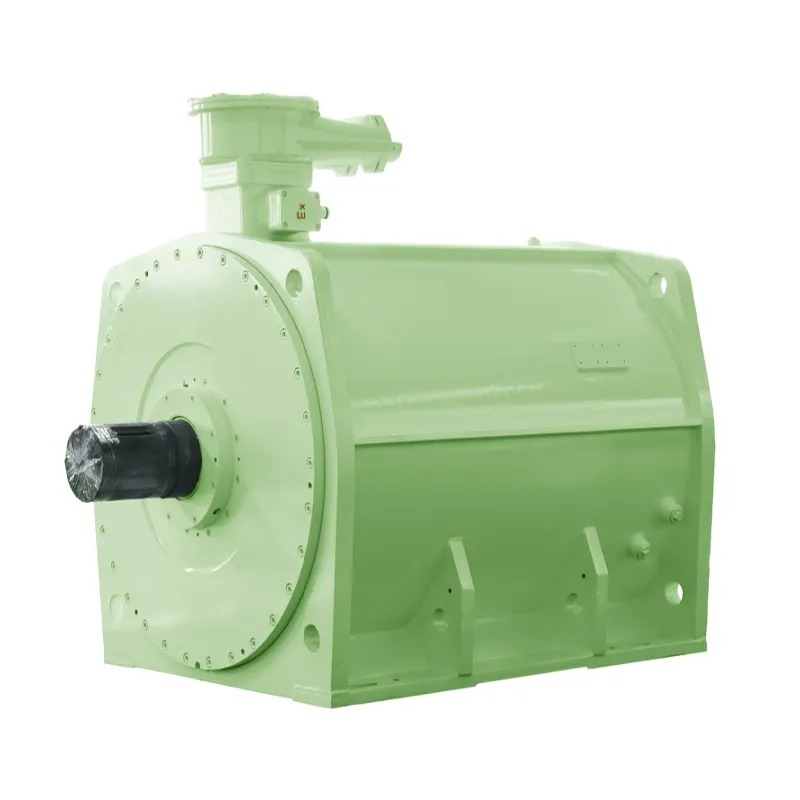
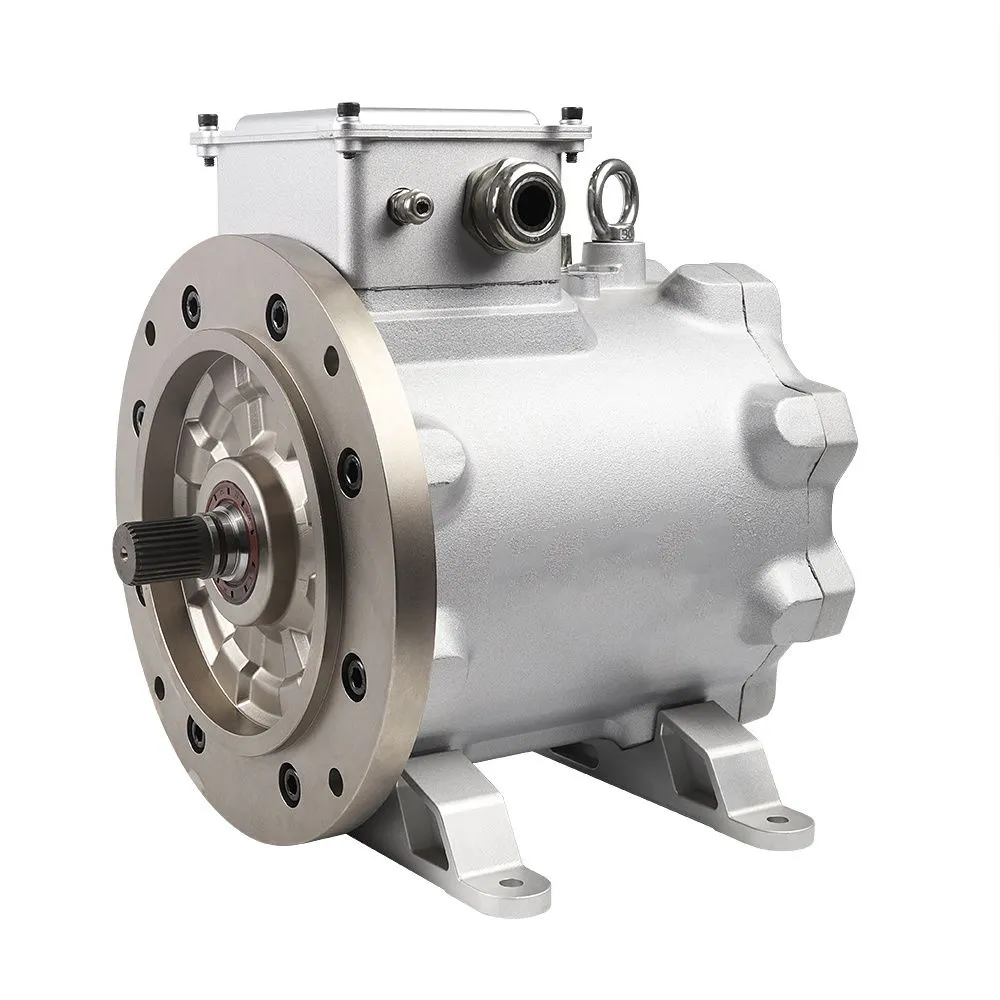
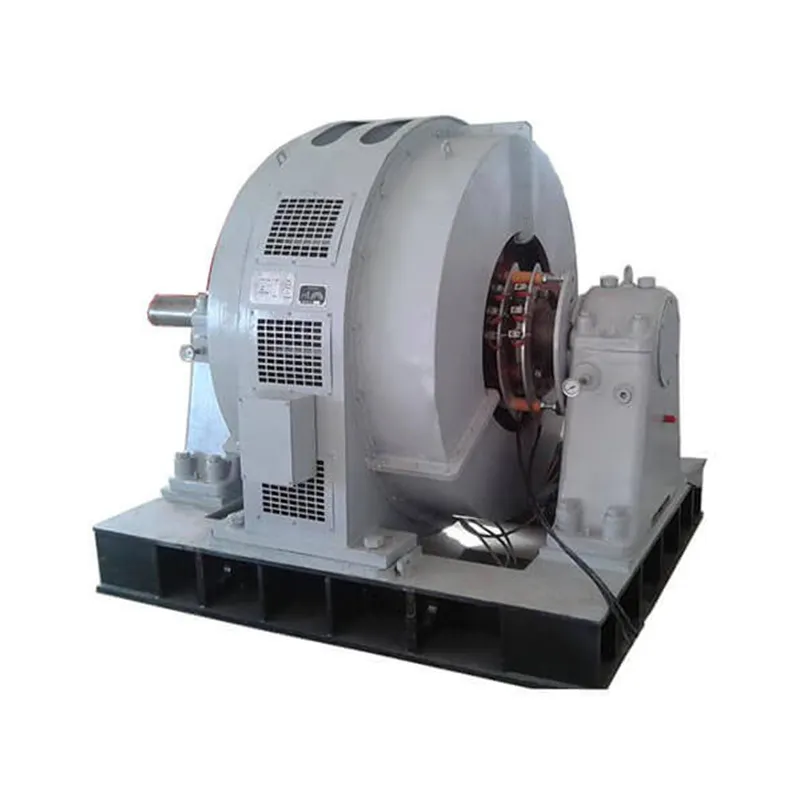
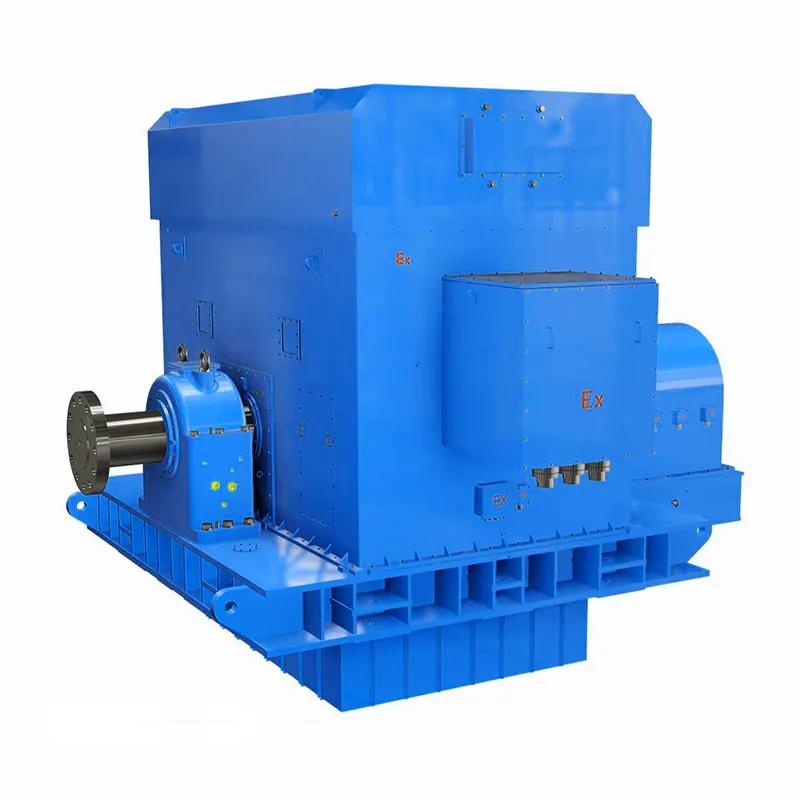
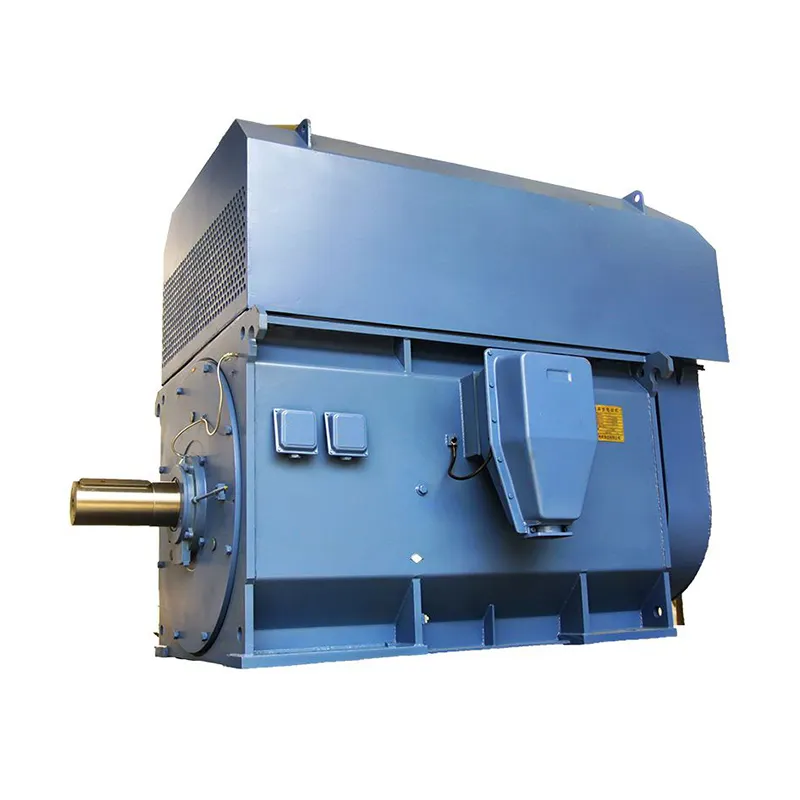
Large synchronous motors are essential in heavy industries, powering energy - intensive operations with their reliable and consistent performance. Operating in sync with the electrical supply frequency, these motors ensure precise speed control and high torque output.
The motor's structure features a stator with armature windings that generate a rotating magnetic field when supplied with AC power, and a rotor that comes in two main types. Salient - pole rotors are used for low - speed, high - torque tasks like in hydroelectric generators and large compressors, while non - salient - pole rotors suit high - speed applications such as steam - turbine - driven generators. The rotor rotates at the same speed as the stator's magnetic field, enabled by permanent magnets or DC - supplied rotor windings.
In heavy industries like mining, steel manufacturing, and oil and gas, these motors offer significant advantages. Their high efficiency, reaching up to 98%, leads to substantial long - term energy savings. Given the continuous operation in these sectors, even a marginal efficiency boost cuts down electricity costs considerably.
Large synchronous motors also excel in power factor control. In industries filled with inductive loads, they can be adjusted to operate at different power factors. By running at a leading power factor, they offset the reactive power from other equipment, enhancing grid power quality and reducing losses.
Moreover, they provide robust torque, both during startup and normal operation. This is crucial in steel mills, where rolling mills need strong torque to process metal, or in mining for powering crushers and conveyor belts. Although they have a high initial cost and complex maintenance requirements, their benefits make them indispensable workhorses in heavy - duty industrial applications.

 EN
EN