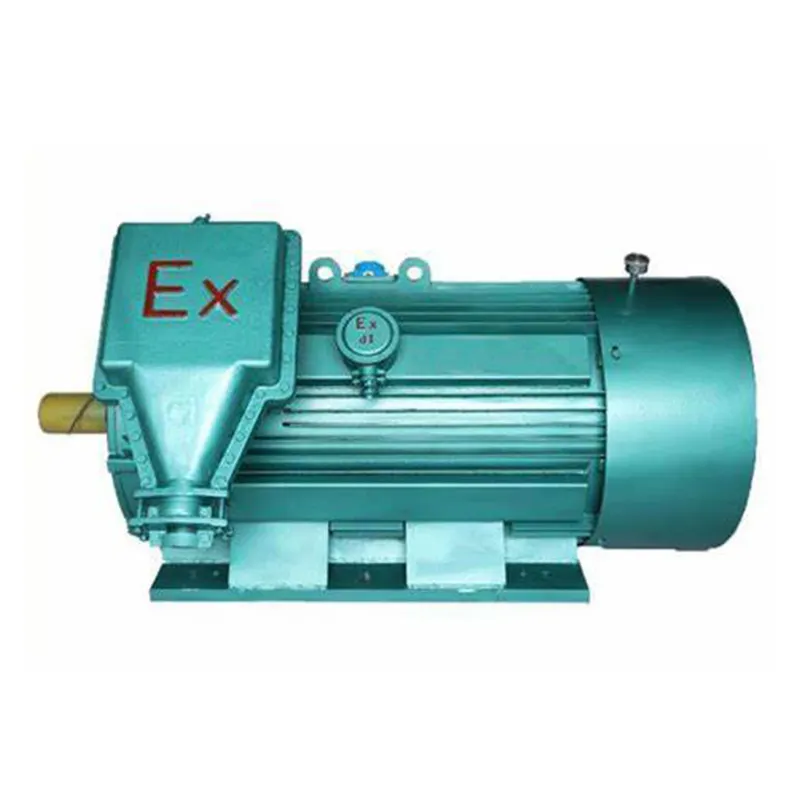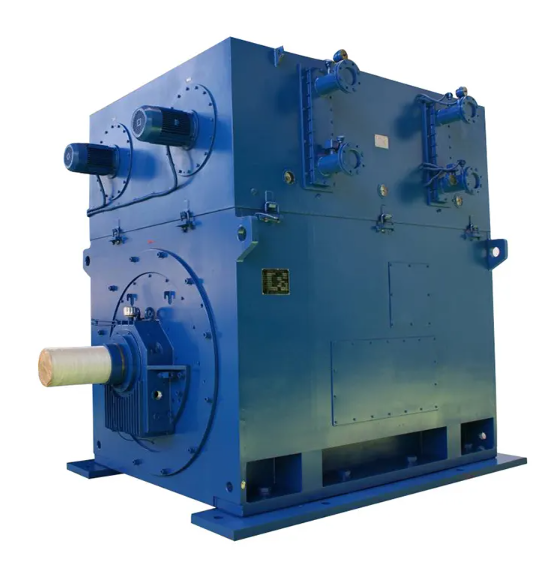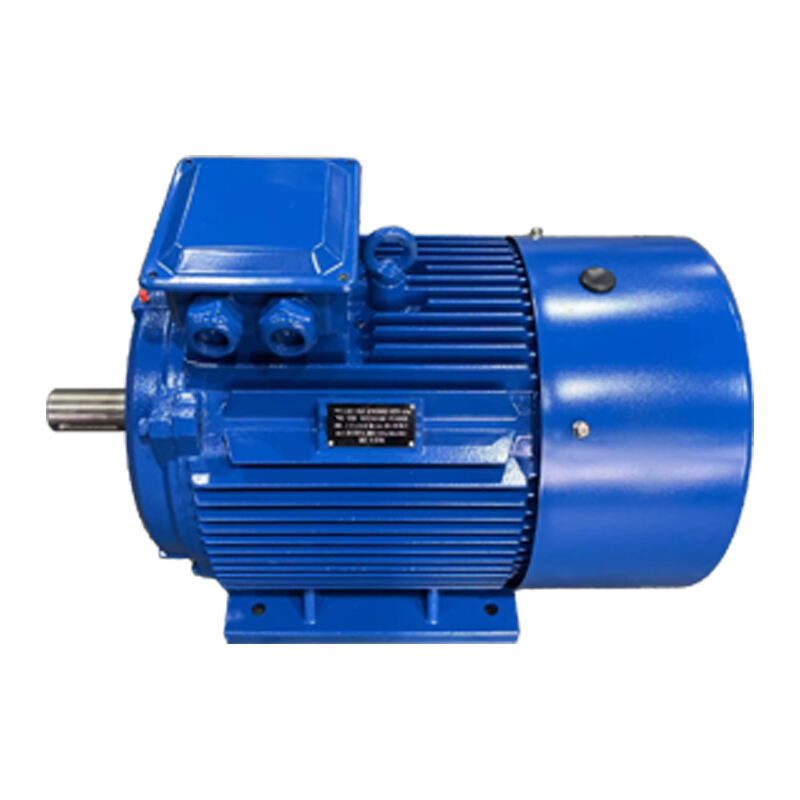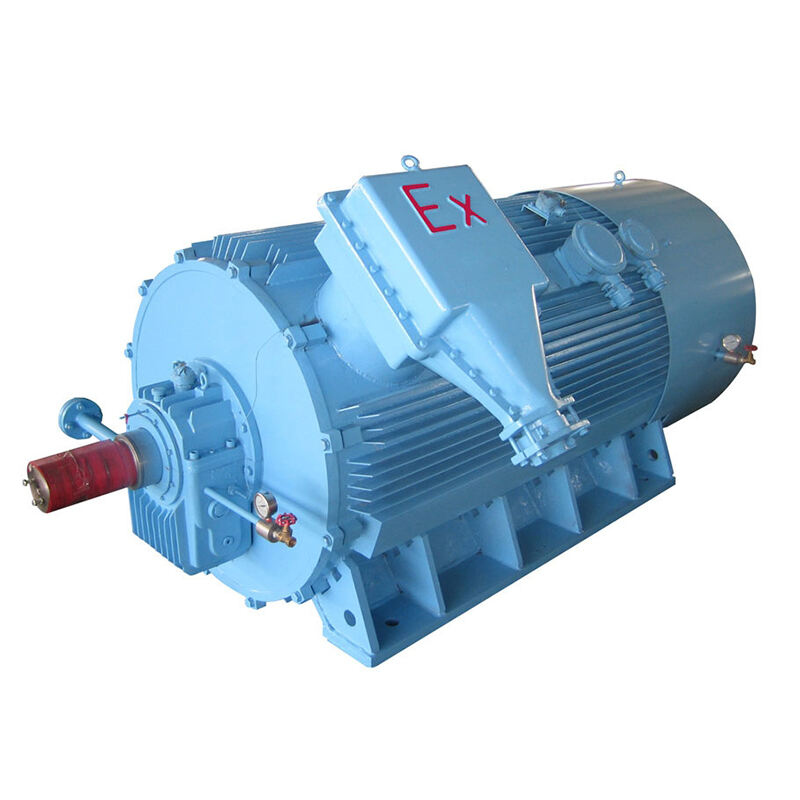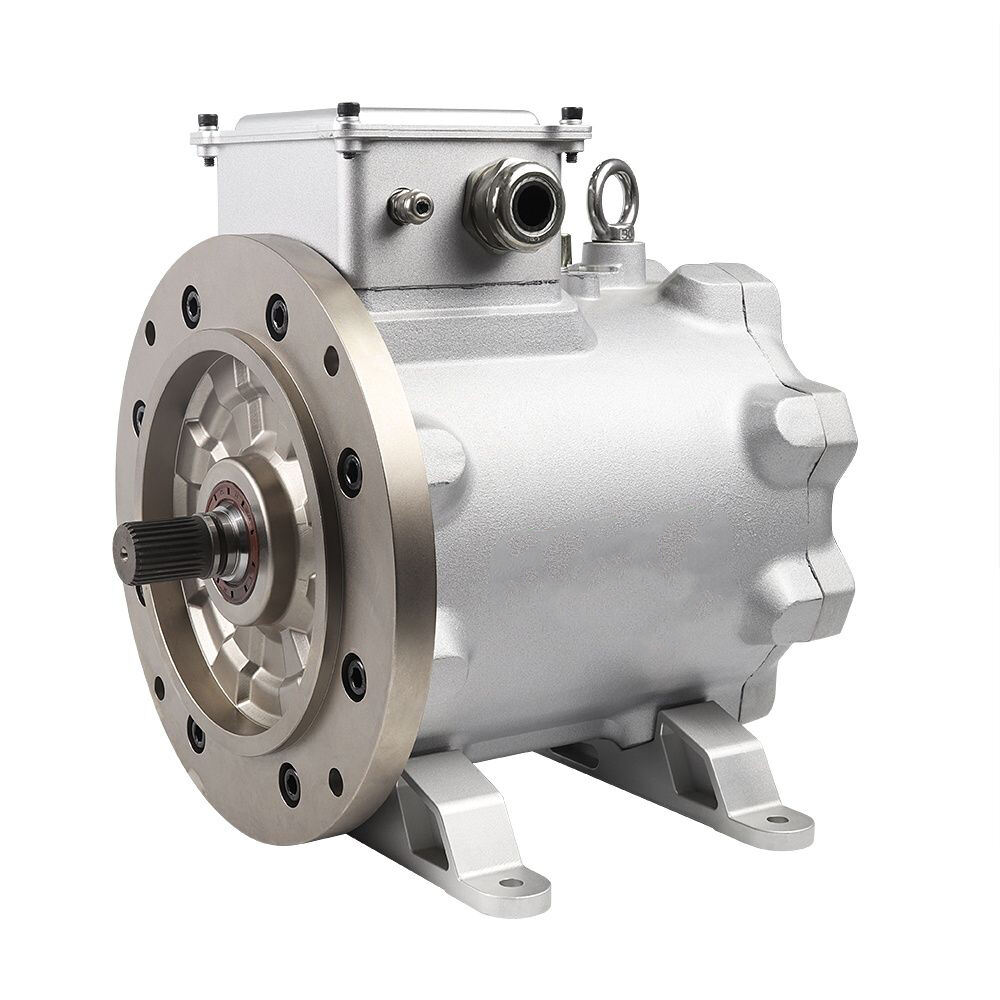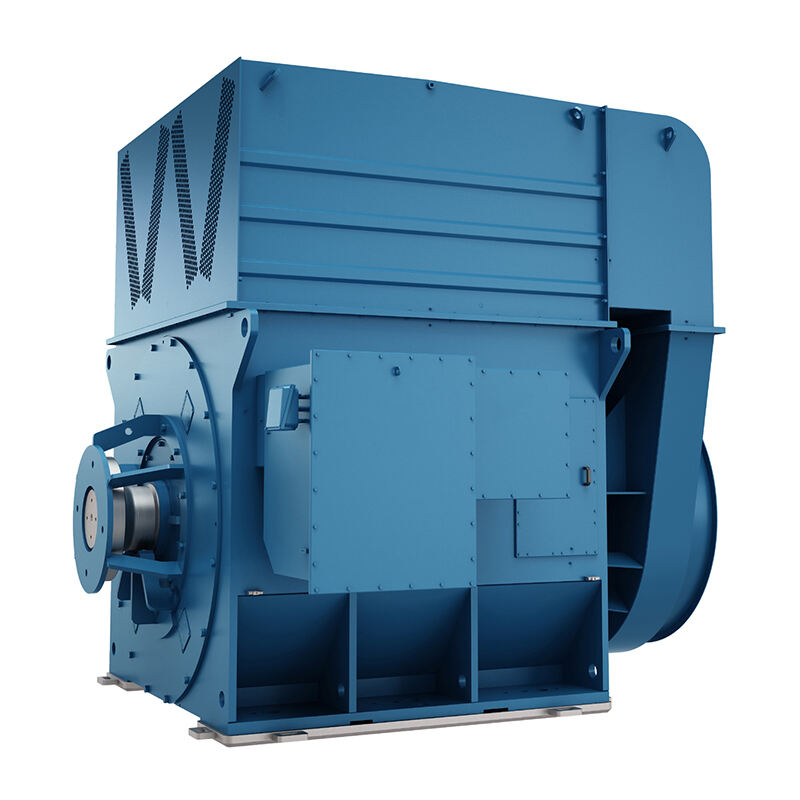
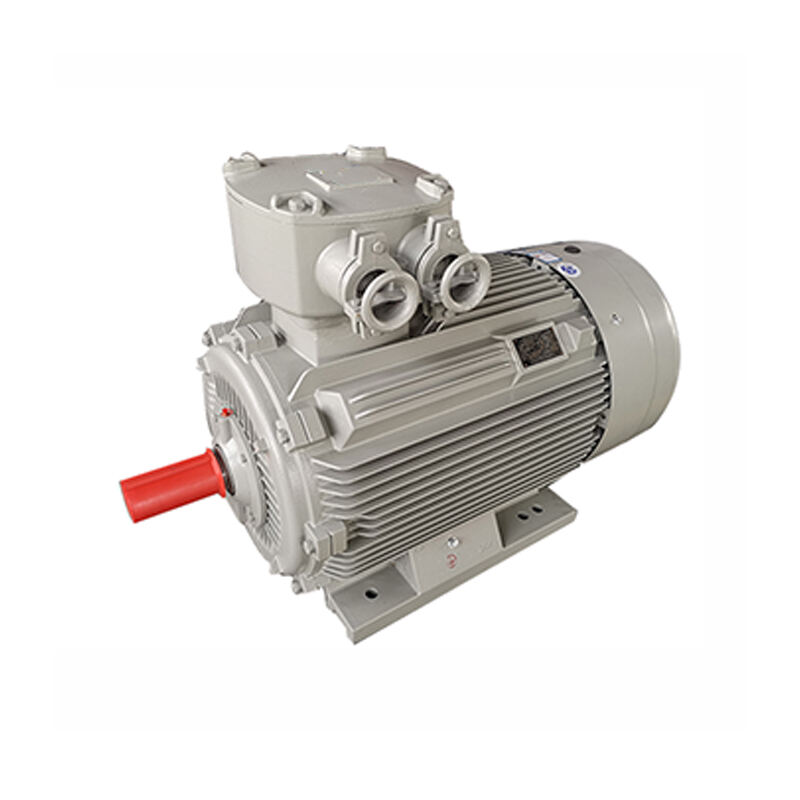
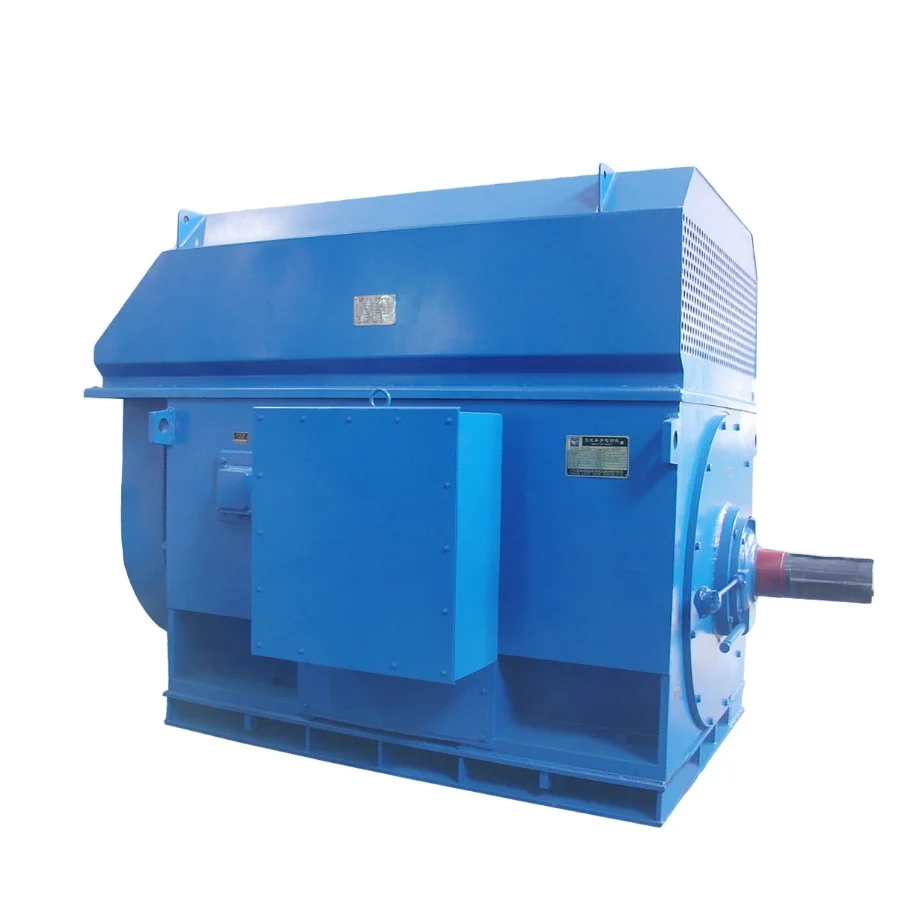
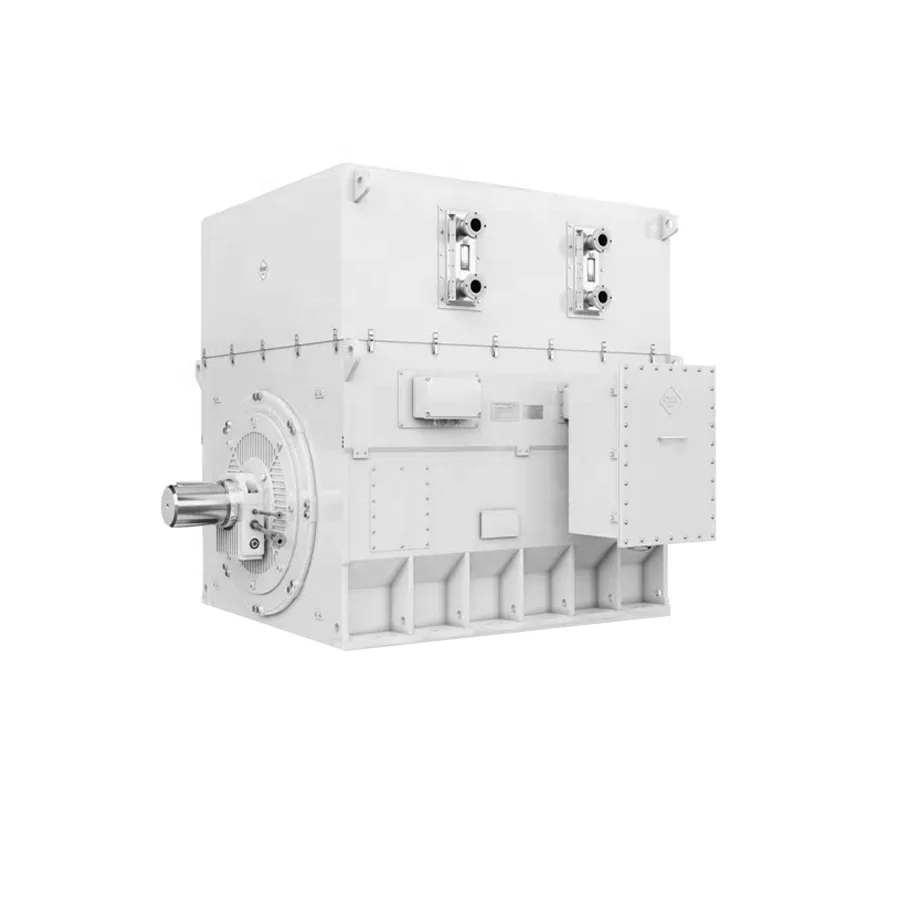
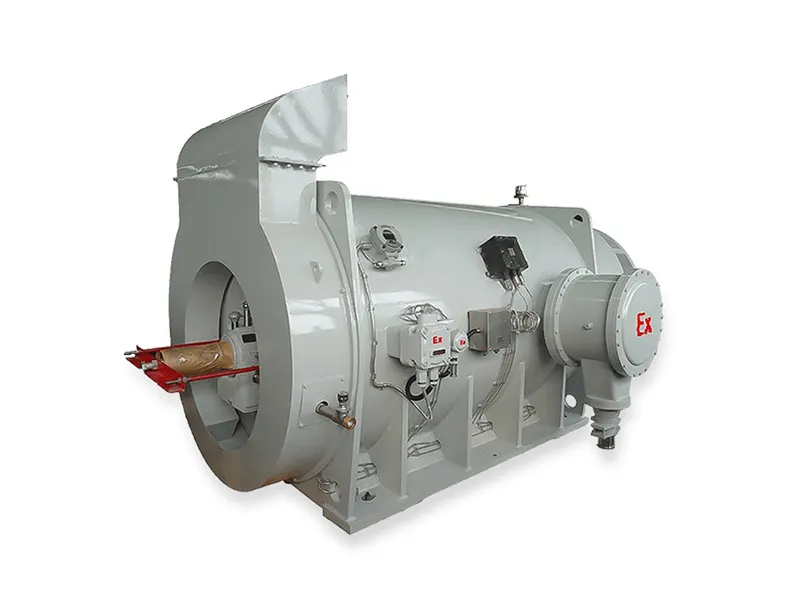
Permanent magnet synchronous motors (PMSMs) represent a advanced class of electric motors that utilize permanent magnets embedded in the rotor to generate a constant magnetic field, eliminating the need for external excitation systems. This design inherently reduces energy losses associated with traditional induction motors, such as copper and iron losses, resulting in exceptional efficiency levels often exceeding 95%. PMSMs are characterized by their high power density, precise speed control, and robust performance under variable load conditions, making them ideal for demanding industrial applications. In sectors like steel manufacturing and cement production, these motors are deployed to drive heavy machinery including crushers, grinding mills, and conveyor systems, where they ensure reliable operation while minimizing energy consumption. For instance, in a typical steel plant scenario, a PMSM can power a large ball mill, achieving consistent torque output and reducing electricity usage by up to 30% compared to conventional motors. The ability to integrate with variable frequency drives (VFDs) allows for seamless speed regulation, adapting to process fluctuations and enhancing overall system efficiency. Additionally, PMSMs contribute to environmental sustainability by lowering carbon emissions and supporting green initiatives through reduced energy waste. Tellhow Motor's PMSMs are engineered with state of the art materials, such as high grade rare earth magnets, and undergo rigorous testing for thermal management and durability in harsh environments like high temperatures and dusty conditions. These motors comply with international standards like IE4 and IE5, ensuring compatibility with global energy efficiency regulations. With applications extending to mining, water treatment, and renewable energy systems, PMSMs offer long term reliability and minimal maintenance requirements. Customers are encouraged to contact our team for detailed specifications, custom solutions, and pricing information tailored to their specific operational needs.