
 EN
EN
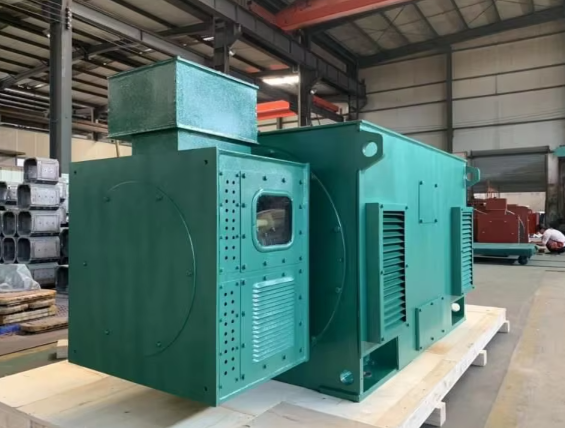
Operating Principles of High Voltage AC Motors Under Heavy Loads
How Higher Voltage Reduces Current and Minimizes Power Losses
AC motors running on high voltage make good use of the basic power formula P equals V times I to get better results in industrial settings. When these motors operate above 1 kilovolt, they can transmit the same amount of power but with much less current compared to their low voltage counterparts. This actually cuts down those annoying I squared R copper losses by around 40 percent according to thermal imaging tests done on actual installations. The reduced current means we can use thinner cables which saves money on infrastructure costs something like 15% for every 100 meters installed. Plus there's less heat buildup in the windings so the insulation lasts longer when these motors are pushing through tough conditions like in mines or material processing plants where they need to maintain high torque over extended periods.
Thermal and Electromagnetic Challenges During Load Surges
Abrupt load spikes, such as crusher jams or conveyor overloads, trigger three interrelated stressors:
- Instantaneous winding temperature spikes exceeding 200°C, risking insulation degradation
- Magnetic saturation, inducing torque ripple and vibration harmonics
- Eddy current proliferation in rotor cores, elevating hysteresis losses
Modern designs mitigate these through embedded RTD sensors for real-time thermal monitoring and laminated silicon steel cores that reduce eddy currents by 60% per IEC 60034-31. Active cooling maintains temperatures below Class F limits (155°C), while optimized stator slot geometries suppress flux leakage during 150% overload events lasting 30+ seconds.
Maximizing Efficiency in High Voltage AC Motor Systems
High voltage AC motors can reach over 94% efficiency when they combine electromagnetic optimizations with what happens naturally at higher voltages. When these motors run, they draw less current for the same amount of power, which cuts down on those annoying resistive losses known as I squared R losses. This matters a lot in industries that eat up electricity like crazy, such as mineral processing plants or heavy manufacturing facilities. The money saved over time adds up significantly because these motors often work nonstop under really tough conditions without breaking a sweat.
Core Innovations: Low-Loss Materials and Optimized Magnetic Design
The improvements we see in efficiency come mainly from two areas: better materials and smarter magnetic designs. When manufacturers switch to low loss silicon steel for their laminations, they can reduce those pesky eddy current losses by around 40% compared to regular steel options. Copper rotors also help because they just don't get as hot since copper conducts electricity so well. And let's not forget about how important the shape of the stator and rotor really is. Getting those components just right means less flux leakage, which translates to more actual power turning things instead of just generating unwanted heat. For thermal management, companies are now building systems that either push air through specific paths or use liquid cooling channels. These approaches stop those dangerous hot spots from forming in windings when machines run continuously under load conditions.
| Material Innovation | Efficiency Impact | Application Benefit |
|---|---|---|
| Low-loss silicon steel | 30–40% lower eddy currents | Reduced heating under load |
| Copper rotor construction | ~15% lower resistance | Higher torque density |
| Optimized stator slotting | 3–5% flux leakage reduction | Improved power factor |
VFD Integration for Load-Adaptive Efficiency Above 94%
VFDs allow for adjusting speed and torque according to what the process actually needs, keeping efficiency pretty much over 94% when operating anywhere from 40% to full capacity. Fixed speed motors just burn through power when running below maximum, but systems fitted with VFDs can cut down on energy usage by around 30% for things like pumps and fans where centrifugal forces are involved. The soft start feature really helps reduce wear and tear on machinery when starting something heavy duty, and those fancy control algorithms also stop unnecessary losses happening when demand drops off during normal operation hours.
Robust Design for Durability in Demanding Industrial Environments
High voltage AC motors deployed in cement plants or mining operations endure extreme conditions: abrasive dust, ambient temperature swings exceeding 60°C, and continuous mechanical vibration. Their durability arises from purpose-built material selection and structural engineering, not just ruggedization, but intelligent resilience.
Insulation Systems: Class F vs. Class H for Continuous High-Torque Duty
The insulation class really determines how well equipment handles heat and lasts over time. Class F insulation works at around 155 degrees Celsius, but Class H insulation (which goes up to 180°C) gives machines an extra buffer against heat stress. This makes all the difference in tough situations where motors run continuously under heavy loads, such as crusher drives. When temperatures get especially hot, this better insulation actually extends the time between breakdowns by about 20%. Manufacturers also use low loss amorphous steel cores to prevent those annoying hot spots from forming. Plus, the windings are encased in epoxy so they stay protected from moisture and that pesky limestone dust that gets everywhere. Looking at reliability numbers shows why investing in these improved insulation systems pays off big time. In rough operating conditions, machines with upgraded insulation systems tend to last twice as long before needing repairs.
Advanced Cooling Methods and Protection Against Contaminants
The thermal management system works by combining TEFC enclosures with internal cooling jackets that maintain winding temperatures around 15 degrees Celsius below what would be dangerous during overload conditions. When it comes to IP66 rated equipment, we've incorporated labyrinth seals along with special hydrophobic coatings that effectively stop particles smaller than 5 microns as well as those pesky corrosive vapors often encountered in chemical processing environments. The design includes carefully planned airflow channels and specially shaped frames that actually allow for about 40 percent more continuous output without needing to reduce performance ratings. Real world testing at pulp and paper mills has shown that these features make a big difference too, cutting down on winding failures by roughly two-thirds according to field reports.
Variable Frequency Drives and Precision Torque Control
Enhancing Performance with VFD-Based Speed and Torque Regulation
Variable Frequency Drives (VFDs) change how high voltage AC motors work by giving operators real time control over speed and torque through voltage and frequency adjustments that match what the process actually needs. They cut down on wasted energy when machines aren't running at full capacity (some reports show savings around 30%), stop those jarring mechanical shocks when starting up, and generally make equipment last longer. For conveyor belts specifically, having tight control over torque means the system keeps moving stuff along at a steady pace even when loads suddenly change. The newer models can respond in less than 2 milliseconds, which makes all the difference when dealing with sudden spikes or drops in demand throughout the production line.
Mitigating VFD-Induced Bearing Currents with Grounding Solutions
Variable frequency drives definitely boost efficiency and offer better control, but there's a downside too. They tend to create those pesky parasitic shaft voltages that find their way through bearings, leading to all sorts of problems like fluting, pitting, and ultimately early motor failure. If left unchecked, these current issues can cut bearing lifespan down by anywhere between 40 to 60 percent in motors operating above 1 kilovolt. To combat this mess, several approaches work well together. Insulated bearing housings help, as do shaft grounding rings. Conductive grease application matters too, along with installing high frequency filters. All these methods aim at keeping shaft voltage under 10 volts and stopping that damaging EDM effect. Industry data shows something pretty impressive when following IEEE 841-2021 guidelines correctly. Motor failures drop by more than 70 percent in most cases, which makes a huge difference for maintenance budgets and overall equipment reliability.
Real-World Application: High Voltage AC Motor in a Cement Mill Drive System
In cement plants, motors face some really tough conditions day after day. They deal with all sorts of problems including constant exposure to abrasive dust, dramatic temperature changes throughout the day, and regular shocks from the machinery crushing raw materials. That's where high voltage AC motors come into play, usually running at voltages above 6 kV. These motors are reliable because they cut down on power loss significantly when compared to their medium voltage counterparts. The higher voltage means lower current flow which translates to around 15 to 20 percent less energy wasted. What's more, these motors are built tough enough to handle vibrations over 5g in vertical roller mills, something many standard motors simply can't manage. Special seals keep limestone dust from getting inside where it could cause damage. When we look at what makes these motors so valuable, it's basically three things working together: they produce plenty of torque, handle heat fluctuations without failing, and resist contamination from the dusty environment. For mineral processing operations needing continuous operation without downtime, these features make high voltage AC motors not just useful but absolutely essential equipment.
Table of Contents
- Operating Principles of High Voltage AC Motors Under Heavy Loads
- Maximizing Efficiency in High Voltage AC Motor Systems
- Robust Design for Durability in Demanding Industrial Environments
- Variable Frequency Drives and Precision Torque Control
- Real-World Application: High Voltage AC Motor in a Cement Mill Drive System