
 EN
EN
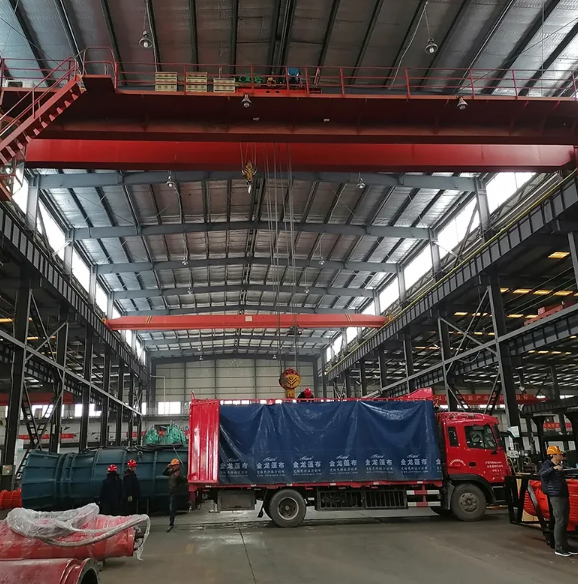
High Torque and Precise Control in Industrial Applications
Cranes and hoisting systems: Leveraging high voltage DC motor starting torque
DC motors running at high voltages can produce some seriously impressive starting torque, sometimes going over 300% of what they're rated for. That makes them great for cranes where getting those heavy loads moving initially requires a lot of force. The quick burst of power stops things from slipping when lifting vertically and lets the crane speed up smoothly even when carrying maximum weight. Compared to AC motors, these DC versions keep putting out steady power even when electricity levels fluctuate, which matters a lot for overhead cranes dealing with several tons of material in factories day after day. With their brush system for controlling current, operators get pretty much exactly the amount of torque they need, so they can move big loads around with incredible precision, down to the millimeter level in many cases.
Elevators and vertical transport: Smooth acceleration with high voltage DC motors
Safety and comfort for people using elevators depend heavily on smooth acceleration that doesn't cause discomfort. High voltage DC motors make this possible by keeping acceleration rates under 1 meter per second squared thanks to their fine control over speed changes. Unlike older hydraulic systems that often give passengers an unpleasant jolt when starting or stopping, these modern motors provide much smoother rides throughout the building. Another big plus is how they work during downward movement. The system actually captures energy from the descent and turns it back into usable electricity, which cuts overall power needs by around 35% compared to traditional elevator systems. For places like hospitals where dumbwaiters carry delicate medical gear between floors, this kind of vibration free performance isn't just nice to have it's absolutely essential for protecting valuable equipment during transport.
Conveyor systems under variable loads: Stability through precise speed control
Material weights can swing wildly on production lines sometimes jumping over 200% between operations like packaging machines dealing with empty containers compared to those full of product. High voltage DC motors handle these fluctuations pretty well keeping speed within about half a percent thanks to their current regulation systems. These motors have compound wound designs that actually adjust themselves when there are sudden increases in load. They boost torque automatically without needing any outside sensors which stops problems like belt slippage or spilled products during operation. Mining companies really rely on this feature for their conveyor belts moving all sorts of different ore amounts. Traditional motors tend to stop working altogether when faced with unexpected heavy loads. Another big plus is the motor's impressive speed range usually around 20 to 1 ratio. This means manufacturers don't need complicated mechanical gears to optimize processes making everything run smoother and more efficiently across various industrial applications.
Torque and Power Performance in Dynamic Industrial Environments
DC motors running at high voltages give manufacturers something really important industrial operations need: quick torque response. When these motors kick in, they can get heavy machinery moving fast from a complete stop, which cuts down on production time by about 15 to 22 percent when compared with standard AC motors. The real advantage comes when there are sudden changes in what the equipment is handling on the factory floor. These motors don't stall out like some others might, keeping everything running smoothly even when things get unpredictable. Plus, they maintain pretty good positioning accuracy around half a degree either way. That matters a lot for those automated systems that have to move materials precisely across tight production schedules.
Instantaneous torque delivery and its impact on industrial productivity
DC motor setups have this built-in electromagnetic feature that kicks out maximum torque almost instantly after getting powered on, so there's no delay when starting up conveyors or moving those big robotic arms around. The speed boost really matters for operations too many factories see about an 18 percent improvement in their production time when dealing with stuff that changes density throughout the process, think raw ore mixed with recycled metal bits. What makes all this work so well is how torque relates directly to current levels in a straight line fashion. Operators can just tweak voltages here and there instead of wrestling with complicated frequency conversion systems to get the right power output for whatever the moment demands.
Speed-torque characteristics across operating conditions
DC motors operating at high voltages keep their torque pretty steady right from zero all the way up to base speed, which makes them really good for equipment like crushers and mixers that sometimes hit unexpected resistance in materials. Compare this to induction motors that can lose anywhere between 30 to 50 percent of their torque when there's a voltage dip. DC motors on the other hand manage to hold onto about 90 percent of their rated torque even during brownouts because they regulate the current going through the armature. There's also something interesting about how these motors work called the inverse speed-torque relationship. Basically, as the load gets heavier, the motor slows down in a predictable way. This actually acts as built-in protection against overloads. When a conveyor belt gets stuck for instance, the motor just naturally reduces its revolutions per minute rather than continuing to run hot like what happens with constant speed systems.
| Operating Condition | AC Motor Torque Variance | High Voltage DC Motor Torque Stability |
|---|---|---|
| Startup | 40–60% drop below rated | Maintains 95–100% rated torque |
| Voltage fluctuation (10% dip) | 25–35% reduction | <5% deviation |
| Overload (150% load) | Uncontrolled speed collapse | Gradual 20–25% speed reduction |
This predictable behavior across variable loads simplifies control algorithms for CNC equipment and winding machinery, where consistent tension prevents material deformation during high-speed processing.
Comparative Suitability of High Voltage DC Motor Types
High voltage DC motors come in various configurations, each tailored to specific industrial demands.
Series, shunt, compound, and permanent-magnet high voltage DC motor configurations
Series wound motors are great at producing high starting torque, which makes them perfect for things like hoisting systems where there's a big initial load demand. These motors can actually take on loads up to five times what they're rated for short periods, but watch out when the load gets light - their speed tends to become unstable then. On the other hand, shunt wound motors focus more on keeping speed steady. They maintain around plus or minus 1% RPM accuracy even when voltage fluctuates, so they work really well in conveyor belt systems that need precise control. Compound motors combine both approaches, giving a nice balance between torque and speed characteristics that works particularly well in places like elevator systems where conditions constantly change. Then there are permanent magnet DC motors, which use those rare earth magnets we hear so much about. They pack in efficiencies of about 85 to 90 percent while taking up less space, but be careful with them during extended periods of high voltage since they tend to run hot pretty quickly.
Matching motor type to application: Torque-speed behavior analysis
Choosing the correct high voltage DC motor really comes down to matching torque-speed characteristics with what the application actually needs during its operating cycle. Series wound motors work best when there's a need for massive starting torque, which explains why they're commonly found in cranes or similar equipment that needs to get moving from a dead stop. Just don't go this route if maintaining a consistent speed is important though. Shunt motors tend to perform well in applications with changing loads, think about packaging machinery for instance, since they can accelerate smoothly without noticeable drops in speed. When faced with situations requiring both sudden torque increases and sustained operation, like those old school escalators everyone remembers, compound motors generally offer the best balance. Permanent magnet DC motors are great choices for compact installations where efficiency matters most, although operators should keep an eye on temperature readings once system voltages exceed 600 volts. Let's take a look at some basic matching principles next.
| Application Requirement | Optimal Motor Type | Performance Highlight |
|---|---|---|
| High starting torque (e.g., heavy lifts) | Series-wound | 200–300% torque surge at startup |
| Steady speed under load shifts | Shunt-wound | ±0.5% speed deviation |
| Combined torque/speed adaptability | Compound | Linearly adjustable torque-speed slope |
| Compact, high-efficiency operation | Permanent-Magnet DC (PMDC) | Up to 92% energy conversion at peak load |
This alignment minimizes energy waste by 15–20% while extending motor lifespan in high-stress industrial settings.
Challenges and Limitations in High Load and High Voltage Operation
Running high voltage DC motors at maximum load creates some serious engineering challenges that many technicians encounter regularly. Heat management becomes a major concern when these motors operate non-stop at full power levels. Efficiency drops somewhere between 5% to maybe even 10% over time because of resistance in the windings plus those pesky core losses we all know about. If there's no good cooling system in place, whether it's forced air or liquid cooling, the insulation starts breaking down faster than expected, which means shorter life for the motor itself. That's why most modern installations include temperature sensors right in the motor housing. These help keep things running cool enough, typically staying well below that 155 degree Celsius threshold that marks the limit for Class F insulation materials.
Thermal management and efficiency in sustained high-load operations
When heat builds up, it really takes a toll on system performance. Look at what happens when loads reach around 80% or higher copper losses go up in a quadratic fashion as current increases, whereas iron losses just keep climbing with each change in voltage frequency. The resulting thermal stress can cut down efficiency quite a bit too about 7% drop for every 10 degrees Celsius over the rated temperature mark. Fortunately, newer systems are getting smart about this problem. They now embed temperature sensors right where the hottest spots tend to be, paired with adjustable speed cooling fans. These improvements help maintain operation close to design specs most of the time, staying within about 2% variance even after running nonstop for eight whole hours straight.
Voltage regulation and commutation challenges at elevated voltages
When voltage spikes go over 10% of what they should be, it creates serious problems with commutation in those high voltage DC motors. The brushes start arcing a lot more once voltages hit around 600 volts and beyond, which means the brushes wear out much faster than normal. Good voltage regulators equipped with active filters can keep the ripple down under 3%, but there are also these advanced commutation systems now that use segmented pole designs to cut down on sparking significantly. Getting harmonic issues sorted out properly keeps the windings intact and stops those annoying torque pulsations when loads change suddenly. Most maintenance teams know this stuff matters for long term motor health and efficiency.
Selection and Integration: Optimizing High Voltage DC Motor Deployment
Matching Torque, Speed, and Load Profiles for Optimal Performance
Optimal deployment of high voltage DC motors requires precise alignment of motor characteristics with application demands. Oversizing increases energy costs by up to 30%, while undersizing accelerates wear. Engineers must analyze:
- Torque profiles: Peak vs. continuous torque requirements during startup, operation, and overload
- Speed ranges: Compatibility with fixed or variable speed needs across duty cycles
-
Load dynamics: Response to sudden changes like conveyor jams or elevator braking
Matching these parameters ensures efficient power utilization and prevents premature failure. For example, compound-wound motors excel in crane systems requiring both high starting torque and consistent speed under variable loads.
Lifecycle Cost, Maintenance, and System Compatibility Considerations
Beyond performance metrics, total cost of ownership dictates long-term viability. High voltage DC motors demand:
- Preventive maintenance: Brush replacement schedules and commutator inspections every 500–2,000 operating hours
- Cooling infrastructure: Forced-air or liquid cooling investments for sustained high-load operations
-
Control compatibility: Retrofitting existing VSDs (Variable Speed Drives) versus new drive installations
Operational data reveals that lifecycle costs decrease by 18% when selecting brushless designs for inaccessible installations. Additionally, validate voltage regulation compatibility to prevent commutation issues at peak loads.
Table of Contents
- High Torque and Precise Control in Industrial Applications
- Torque and Power Performance in Dynamic Industrial Environments
- Comparative Suitability of High Voltage DC Motor Types
- Challenges and Limitations in High Load and High Voltage Operation
- Selection and Integration: Optimizing High Voltage DC Motor Deployment