
 EN
EN
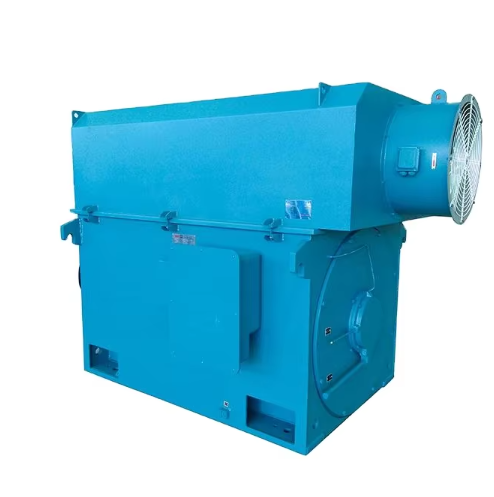
Understanding the Role of Special Application Motors in Desalination Technologies
The integration of special application motors in reverse osmosis (RO) and membrane-based desalination systems
Motors built for special applications must handle the tough requirements of reverse osmosis systems. These systems often work under pressure above 80 bar, needing around 98% energy efficiency according to recent data from the Global Energy Efficiency Index 2024, plus they need precise control over torque. Standard industrial motors just won't cut it here because they lack the proper cooling features required for constant running in those hot pump environments. Most major motor companies have started creating products tailored specifically for RO use. They're using something called axial flux technology which actually gives about 15% more power density than what we see in regular motor designs. This kind of innovation matters a lot when dealing with water treatment processes that demand both reliability and efficiency over long periods.
Why standard motors fail under high pressure and corrosive desalination conditions
Standard IEC 60034-rated motors experience 37% higher failure rates (Ponemon Institute 2023) in desalination plants due to saltwater intrusion and chloride-induced corrosion. Membrane systems demand motors capable of resisting:
- Hydrogen sulfide gas exposure (common in brackish water processing)
- pH variations from 5.8 to 8.5 in feedwater
- 24/7 operation with <3% efficiency degradation over 10,000 hours
These conditions necessitate motors with epoxy-encapsulated windings and marine-grade stainless steel shafts - features absent in commercial-grade alternatives.
Performance demands from high pressure pump systems in RO plants
High-pressure centrifugal pumps in modern RO facilities require motors delivering:
| Parameter | Requirement | Standard Motor Capability |
|---|---|---|
| Starting Torque | ¥150% rated torque | 75-110% rated torque |
| Pressure Surge Tolerance | 25% above design pressure | 10% tolerance threshold |
| Annual Runtime | 8,400+ hours | 4,000-6,000 hours |
Motors meeting IE5 Ultra-Premium efficiency standards reduce energy costs by $740k/annum (Ponemon 2023) in a 50,000 m³/day plant while maintaining <0.5% harmonic distortion for grid stability.
Overcoming Harsh Marine Environments: Corrosion Resistance and Environmental Protection
Impact of Salt Laden Air, Humidity, and Coastal Dust on Motor Longevity
Motors used specifically for desalination plants across Australia tend to break down faster because salty air gets into their electrical parts and causes something called galvanic corrosion. The problem gets worse in places like New South Wales where humidity stays above 85% most of the time, speeding up rust formation. Meanwhile, areas with dry climates have another issue altogether. Dust full of silica builds up inside motor vents over time, making it harder for them to cool properly. Research looking at materials meant for marine environments shows pretty alarming results too. Motors without proper protection typically only last about half as long as they should when exposed to these harsh conditions for five years straight.
Thermal Stress and Environmental Challenges in Australian Coastal Climates
Daily temperature swings of 15–25°C in regions like South Australia cause repeated expansion/contraction of motor housings, weakening seals and allowing moisture ingress. Cyclone-prone areas further subject motors to mechanical stress from windborne debris.
Epoxy Coatings, Stainless Steel Enclosures, and C5-M Corrosion Protection Standards
Modern solutions combine ISO 12944 C5-M-certified epoxy coatings (resisting 1,000+ hours of salt spray testing) with 316L stainless-steel frames. This dual approach reduces corrosion-related failures by 72% compared to standard enclosures, as validated by research on extreme-environment material protection.
IP66-Rated Motors and Field Performance Data from Queensland and Western Australia
IP66-rated (Ingress Protection 66) motors from Queensland’s Gold Coast desalination plant demonstrate 98.4% uptime over 18 months, despite direct exposure to saline winds. Western Australian installations using pressurized nitrogen-purged cooling systems report 40% lower maintenance costs than conventional models.
Energy Efficiency Standards: Selecting IE3 and IE5 Special Application Motors for Long-Term Savings
Lifecycle Cost Advantages of IE3 and IE5 Motors in Continuous-Operation Desalination Plants
The newer IE3 (Premium Efficiency) and IE5 (Ultra Premium Efficiency) motors cut down on wasted energy by around 20% when compared to older models, which means lower running costs for those big desalination plants that operate nonstop. Take a look at this real world scenario: a 500 kW IE5 motor used in reverse osmosis systems saves plant operators more than forty five thousand dollars each year just on electricity bills compared to what they'd pay with an IE2 motor instead according to recent industry reports from IEC Motors (2024). The money saved actually pays back the extra investment needed for these advanced motors pretty quickly too. Most large Australian facilities see their initial spending recouped within two to four years because their motors typically work around eight thousand hours or more every single year.
Alignment with Australian Regulations and Global Energy Efficiency Benchmarks
Australia has set IE3 as the baseline requirement for industrial motors, bringing their regulations in line with what's happening across Europe and the United States. According to recent findings from the Global Energy Efficiency Initiative, if industries adopt IE5 technology nationwide, they might actually reduce energy consumption in water treatment facilities by around 12 percent by the end of this decade. For coastal operations in Western Australia especially, things are getting tougher when it comes to carbon emissions rules. This means many facilities there simply cannot afford to stick with older motor technologies anymore. They need to upgrade to IE5 models not just to comply with AS/NZS 1359.5 specifications but also because companies today care increasingly about showing real progress on their environmental commitments.
Trend Toward IE4+ Motors in Public Infrastructure and Government Tenders
In 2023, around two thirds of Australian government tenders for desalination projects specified IE4 motors or better, showing a clear preference for saving energy over time rather than cutting upfront expenses. This trend aligns with New South Wales' ambitious plan to cut public sector energy consumption in half by the end of this decade. Looking ahead, we're seeing IE5 motor models become the norm for newer facilities. Take the recent expansion at the Perth Seawater Desalination Plant as an example it now operates at 300 million liters per day capacity with these advanced efficiency standards already in place. Industry insiders suggest this marks a turning point for how water treatment infrastructure approaches energy efficiency requirements.
Calculating ROI for Premium-Efficiency Motors in Large-Scale Operations
| Factor | IE3 Motor | IE5 Motor |
|---|---|---|
| Energy Cost/Year | $185,000 | $142,000 |
| Maintenance Cost/Year | $12,000 | $8,500 |
| Payback Period | 3.2 Years | 4.1 Years |
| Data reflects 1.2 MW motors in 90% load scenarios (2024 Desalination Energy Audit). |
Operators use these metrics with lifecycle cost software to justify IE5 adoption, particularly where grid power exceeds $0.28/kWh. For plants exceeding 100 ML/day capacity, the 22-30% efficiency gain from IE5 motors typically delivers ROI within 5 years despite higher capital costs.
Matching Motor Types to Desalination Plant Scale and Technology Requirements
Special Application Motors for Small-Scale Municipal Reverse Osmosis Units
For smaller communities with populations below 10k, compact reverse osmosis systems need motors that strike just the right balance between power and resistance to corrosion. These motors typically handle outputs from around 50 to 200 kW, but they face quite a challenge staying reliable through all those constant start and stop cycles. Maintaining a power factor above 0.9 is really important here, something the 2023 Water Sector Motors Report made pretty clear when it came out last year. Stainless steel coatings on the motor shafts plus good old IP55 protection against dust and water become absolutely necessary for these smaller installations. After all, nobody wants to deal with maintenance every few months when most of these systems can go over a year without needing attention.
High Power Synchronous Motors for Thermal Desalination Facilities
For multi effect distillation (MED) units and multi stage flash (MSF) desalination plants, the motor requirements are pretty specific. These installations need synchronous motors rated above 5 megawatts, and they must maintain speed regulation within plus or minus 0.5 percent. Most top manufacturers have started adding forced air cooling systems to keep those motor windings cool. The temperature stays under 110 degrees Celsius even when outside temps hit 45 degrees C. This kind of thermal management has been put to the test in real world conditions too. We saw it work well during the expansion of Jubail III in Saudi Arabia back in 2022, and similar results were achieved on projects across the Northern Territory in Australia as well.
Variable Speed Drive Compatibility in Modern Membrane Systems
For advanced pressure vessel setups, we need motors that keep harmonic distortion below around 8% THD when working with those 18-pulse variable speed drives. Looking at actual field reports from desalination plants in South Australia dealing with brackish water, there's clear evidence that IE3 motors equipped with sensorless vector control cut down on energy usage by approximately 15% over traditional fixed speed motors when running at partial loads. The market is changing fast too. More and more recent procurement specifications now insist on meeting IEC 61800-9 standards, which has pushed many facilities toward adopting these combined motor drive packages that simplify installation and maintenance while ensuring regulatory compliance across different regions.
Maintenance and Monitoring Strategies for Reliable Operation in Remote Locations
Special application motors in Australian desalination plants require robust maintenance strategies to withstand isolated coastal environments. Proactive approaches minimize downtime while aligning with the 24/7 operational demands of critical water infrastructure.
Predictive Maintenance Using Vibration and Temperature Sensors in Harsh Environments
Systems that track vibrations and monitor temperature changes catch problems before they get serious in motors, spotting issues like worn bearings, failing insulation, and saltwater getting where it shouldn't. The latest sensors can handle really tough conditions too, working fine when humidity hits over 95% and temps climb past 45 degrees Celsius - exactly what we see along Australia's northern coastlines. Research from last year looked at how predictive maintenance works in places prone to corrosion. What they found was pretty impressive: keeping tabs on these sensors cut down unexpected pump failures by around two thirds when dealing with water that has TDS levels above 40,000 parts per million. And here's something else worth noting: wireless networks for these sensors are hitting nearly perfect accuracy rates, about 98%, even in remote locations where cell service is spotty at best.
Remote Monitoring Solutions for Isolated Australian Coastal Desalination Sites
Real time monitoring of torque and efficiency for those motor driven high pressure pumps is now possible thanks to cloud based platforms. Take Perth for example where operators saw their site visits drop by around 37% after implementing phased array ultrasonic tests along with satellite data links. The numbers speak for themselves really. When it comes to alarms though, these systems aren't just random warnings. They actually follow ISO 20958 standards for severity levels so technicians know what needs fixing first. This matters a lot when dealing with remote sites because spare parts can only be delivered during certain tides. Makes sense doesn't it? Planning maintenance around actual conditions rather than guesswork saves both time and money in the long run.
Table of Contents
- Understanding the Role of Special Application Motors in Desalination Technologies
-
Overcoming Harsh Marine Environments: Corrosion Resistance and Environmental Protection
- Impact of Salt Laden Air, Humidity, and Coastal Dust on Motor Longevity
- Thermal Stress and Environmental Challenges in Australian Coastal Climates
- Epoxy Coatings, Stainless Steel Enclosures, and C5-M Corrosion Protection Standards
- IP66-Rated Motors and Field Performance Data from Queensland and Western Australia
-
Energy Efficiency Standards: Selecting IE3 and IE5 Special Application Motors for Long-Term Savings
- Lifecycle Cost Advantages of IE3 and IE5 Motors in Continuous-Operation Desalination Plants
- Alignment with Australian Regulations and Global Energy Efficiency Benchmarks
- Trend Toward IE4+ Motors in Public Infrastructure and Government Tenders
- Calculating ROI for Premium-Efficiency Motors in Large-Scale Operations
- Matching Motor Types to Desalination Plant Scale and Technology Requirements
- Maintenance and Monitoring Strategies for Reliable Operation in Remote Locations