
 EN
EN
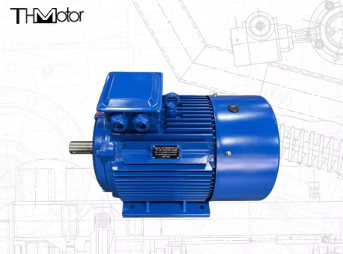
Understanding Harsh Environmental Challenges for Squirrel Cage Motors in Australian Mines
Impact of dust, moisture, and temperature extremes on squirrel cage induction motors
In the tough conditions of Australian mines, squirrel cage motors endure constant punishment. Silica dust gets everywhere, blocking air vents and making cooling systems work overtime. Then there's the moisture problem too. High humidity combined with occasional water leaks really takes a toll on electrical components. Industry data indicates around 40% more winding failures when motors stay damp for extended periods. Maintenance crews know this all too well. Temperature fluctuations are another headache. Motors often go from scorching hot at ground level (sometimes hitting 50 degrees Celsius) straight into cold underground areas where refrigeration is needed. These extreme temperature changes warp motor casings over time, leading to misaligned bearings and eventually mechanical breakdowns that cost both money and downtime.
Environmental factors contributing to insulation deterioration
Insulation breakdown is the second-most common failure mode in mining-duty motors. Repeated thermal cycling degrades polyester-imide resin coatings, while acidic moisture from dewatering systems promotes copper oxidation. Combined with vibration from nearby heavy machinery, these stresses weaken insulation integrity and increase the risk of arc faults.
Corrosion risks from saline air and chemical exposure in coastal mining sites
The bauxite mines along Queensland's coast face serious issues from salt-laden sea breezes that eat away at aluminum end rings and steel structures within just 18 to 24 months of operation. Processing chemicals splash around during operations and make things worse, causing those little pits in metal surfaces. Field tests have shown rotor bars lose about 70% of their conductivity when left exposed too long. The industry has responded by switching to sealed designs without ventilation holes. These systems come equipped with IP66 rated seals which keep out dust and water, and they're becoming the go-to choice for essential parts where reliability matters most.
Essential Preventive Maintenance Practices for Reliable Squirrel Cage Motor Operation
Routine Visual Inspections to Prevent Overheating from Dirt and Grease Buildup
Regular visual inspections matter a lot in mining operations where there's lots of airborne particles floating around. Techs need to check those cooling vents and motor housings regularly for dust buildup over 3 millimeters thick because when that happens, equipment gets hotter faster and efficiency drops by about 18%. The real trouble spots though? Those grease lubricated bearings sitting out there getting coated with dust kicked up from haul roads. According to research from Ponemon back in 2023, these bearings fail almost three times more often than their sealed counterparts when contaminated. Makes sense really since dust acts like sandpaper inside moving parts over time.
Monitoring Operating Temperature for Early Failure Detection
Thermal monitoring using infrared sensors or IoT-enabled probes enables early fault detection. Key thresholds include:
- Normal Range: -5°C to +40°C above ambient
- Alert Threshold: +50°C sustained for 15 minutes
- Shutdown Threshold: +65°C to prevent irreversible damage
Windings operating above 110°C experience accelerated insulation aging, with service life halved for every 10°C rise (IEEE Std 841-2020).
Using Vibration Analysis as a Predictive Maintenance Tool for Motor Health
Portable vibration analyzers detect developing issues such as imbalance (>2.5 mm/s RMS), bearing defects (high-frequency spikes >4 g), and misalignment (phase-related 1— RPM harmonics). Conducting analysis every 250 operating hours aligns with ISO 10816 standards and identifies 89% of incipient faults before catastrophic failure.
Quarterly Inspection of Squirrel Cage Rotors for Bar or End-Ring Defects
Borescope inspections allow non-invasive assessment of rotor bar welds—where 72% of rotor failures originate—according to recent industry research. Critical indicators include:
- Maximum allowable bar gap: 0.3 mm
- End-ring discoloration (signaling overheating)
- Sparking marks during rotation
Addressing Bearing Failures: Lubrication Management in Dusty and High-Demand Environments
Common causes of bearing failure, including insufficient lubrication in continuous-operation settings
Lack of proper lubrication ranks as number one reason for bearing failures in those rugged mining duty squirrel cage motors we see all over the place. When these machines run non stop under massive loads, the heat builds up and starts breaking down the grease, plus the mechanical stress actually tears it apart. Dust gets everywhere too, mixing with whatever's left of the lubricant to create these really damaging abrasive mixtures. On conveyors that never shut down, if lubrication isn't scheduled right, tiny silica particles end up getting stuck deep inside the bearing races, which cuts their life expectancy by half sometimes. Keeping those seals intact matters a lot. Once they fail, contaminants flood in and everything goes downhill fast, especially when temperatures get extreme out there on site.
Best practices for lubricant selection and re-lubrication intervals in harsh mining conditions
In Australia where temperatures swing from -10°C right up to 150°C, synthetic greases rated at ISO VG 320 work wonders when they contain those special additives that fight corrosion. Most maintenance manuals back this up too. The automated greasing systems are another game changer really. They keep feeding lubricant consistently through those sealed lines, which makes all the difference when dealing with motors tucked away in awkward spots nobody wants to climb around. Don't forget to slap on those desiccant breathers at the bearing housings either. Checking the grease every three months is pretty standard practice these days. And if we're talking about those dusty environments where haul trucks operate, flushing out and refilling the system every six months becomes essential. Dust gets everywhere and builds up over time, so regular cleaning helps maintain that protective film the lubricant needs to do its job properly.
Implementing Effective Preventive Maintenance Programs for Heavy-Duty Squirrel Cage Motors
Designing Maintenance Programs Aligned With Operational Demands and Duty Cycles
Effective maintenance must reflect actual operating conditions. Motors in 24/7 ore crushers require biweekly inspections due to intense environmental stress, while intermittently used conveyors may only need monthly checks. Programs should factor in local dust concentrations—often exceeding 1,000 µg/m³—and vibration levels from adjacent equipment to ensure timely interventions.
Scheduling Inspections and Performance Tests Under Heavy Loads
Testing motors at 85–110% of rated load uncovers hidden insulation weaknesses and phase imbalances. A 2023 study of Australian iron ore operations found that loaded testing reduced unplanned outages by 62% compared to idle inspections.
Integrating Condition Monitoring Systems Into Existing Workflows
Modern mines integrate vibration spectral analysis—which detects rotor bar cracks as small as 0.2 mm—with infrared thermal profiling to prioritize maintenance actions. Automated alerts for bearing temperatures above 85°C prevent 73% of lubrication-related failures in high-speed applications.
Following Manufacturer Specific Guidelines to Maximize Motor Service Life
Adhering to OEM specifications for terminal box torque (±5%) and dielectric test voltages (e.g., 1,500V AC for 480V motors) ensures warranty validity and long-term reliability. Mining sites that fully document compliance achieve 22% longer intervals between stator rewinds than the industry average.
Table of Contents
- Understanding Harsh Environmental Challenges for Squirrel Cage Motors in Australian Mines
- Essential Preventive Maintenance Practices for Reliable Squirrel Cage Motor Operation
- Addressing Bearing Failures: Lubrication Management in Dusty and High-Demand Environments
- Implementing Effective Preventive Maintenance Programs for Heavy-Duty Squirrel Cage Motors