
 EN
EN
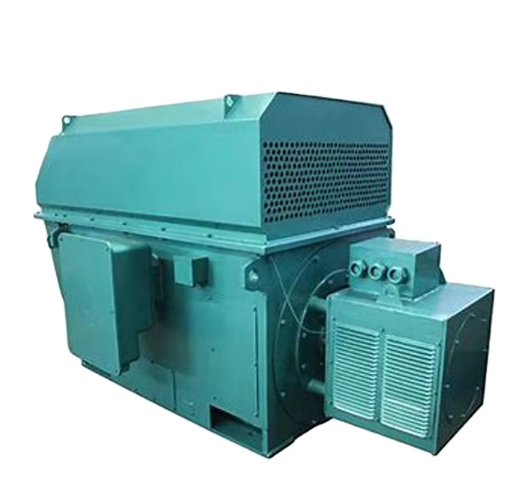
What Is a Flameproof Electric Motor and How Does It Work?
Definition and Core Safety Principles
Flameproof electric motors work differently from regular ones because they're built for places where there might be explosive gases, vapors, or dust floating around. These motors have special casings that basically act like containment zones if something inside catches fire or explodes. The enclosure needs to handle whatever happens internally without letting sparks or heat escape into the environment outside. Safety specs for these motors come from standards like IEC 60079-1, which sets out exactly how strong those enclosures need to be. What makes them tick safely involves several key factors including proper sealing, material strength, and careful design considerations throughout manufacturing.
- Containment: Sealed enclosures made from cast iron or steel contain sparks or explosions within the motor housing.
- Temperature control: External surfaces are engineered to stay below the auto-ignition temperature of nearby flammable substances–typically ¤ 135°C for common gas groups, in line with NEC 2023 guidelines.
- Certification compliance: Motors must meet international standards such as ATEX, IECEx, and UL to be approved for use in hazardous areas like Zone 1 (gaseous) or Zone 21 (dust).
Key Design Features That Prevent Ignition
Flameproof motors incorporate precision engineering to eliminate ignition risks:
- Explosion-proof joints: Precision-machined flanges with tight gaps (< 0.15 mm) cool and quench escaping flames, preventing external ignition.
- Enhanced cooling systems: Optimized airflow manages heat dissipation, crucial given that 23% of industrial explosions are linked to thermal runaway (OSHA 2022 report).
- Corrosion-resistant materials: Components made from stainless steel or coated with epoxy resist degradation in harsh chemical environments, such as those found in oil refineries or mining operations.
These design elements allow motors to safely contain pressures exceeding 15 bar during internal faults. For industries relying on reliable hazardous-area equipment, UL-certified designs offer assurance through rigorous third-party testing for flame propagation and enclosure integrity.
Common Applications of Flameproof Electric Motors in Hazardous Environments
Use in Oil and Gas, Chemical Processing, and Mining Industries
Electric motors designed to withstand flames play a vital role in industries dealing with explosive environments caused by flammable substances like gases, vapors, or dust particles. Take the oil and gas sector for instance these motors keep submersible pumps running, drive gas compressors, and operate those massive offshore drilling platforms that regularly come into contact with dangerous materials such as methane and hydrogen. A recent study from the 2023 Industrial Safety Report highlights how incorporating these specialized motors into refinery pipeline systems cuts down on the chances of sparks causing catastrophic explosions. Many plant managers swear by them after years of operation in high-risk areas.
In chemical processing, flameproof motors drive agitators, solvent pumps, and conveyors handling volatile compounds like ammonia or ethylene. Similarly, in mining, they operate ventilation fans, coal crushers, and conveyor belts in coal dust-laden environments, where even minor sparks could trigger catastrophic detonations.
Compliance with Industry Standards and Safety Regulations
Meeting international standards like ATEX from Europe, IECEx worldwide, and NEC across North America means these explosion-proof motors actually pass those tough safety tests they need to. Take ATEX certification as an example. These motors get put through pressure tests to see if their structure can handle what happens when something explodes inside them. Manufacturers check how hot the motor gets too. They want to make sure surfaces don't get too warm in dangerous areas. Think about Zone 1 locations where flammable gases might be floating around even when everything seems fine. The temperature limits help keep workers safe in those tricky environments.
According to a 2024 Hazardous Environment Safety Study, 92% of motor-related industrial accidents occur due to non-compliant equipment. Adhering to ISO 80079 standards and conducting regular audits help mitigate risks and maintain operational reliability in high-hazard settings.
How to Select the Right Flameproof Electric Motor for Your Needs
Evaluating Environmental Conditions and Explosion Zones
When selecting a flameproof motor, the first step is figuring out what kind of hazardous area we're dealing with according to standards such as ATEX or IECEx. Zones matter a lot here. Zone 1 areas have flammable gases present under normal operating conditions, while Zone 21 deals with continuously accumulating combustible dust. Motors installed in these zones need special construction that can actually contain any internal explosions. The Ex d type flameproof design specified in IS/IEC 60079-1 standard works because it has those really tight seals between components. These seals stop hot gases from getting out if something goes wrong inside the motor housing.
When dealing with environments where humidity runs high, corrosive chemicals are present, or temperatures regularly exceed 40 degrees Celsius, stainless steel enclosures become necessary or at least IP66 rated protection is needed to keep dust and water out. According to research published last year in an industrial safety journal, around seven out of ten motor failures happened because workers got the zone classification wrong or didn't seal things properly. This shows just how critical it is to really understand what kind of conditions equipment will face before installation.
Matching Power, Efficiency, and Installation Requirements
To balance performance with safety, consider the following:
- Power rating: Include a 10–15% capacity buffer to handle variable loads without overload.
- Efficiency: Opt for IE3 or IE4 efficiency classes, which reduce annual energy consumption by 8–12% (Ponemon 2023).
- Installation: Vertical mounting demands reinforced bearings; confined spaces benefit from compact models with top-mounted terminal boxes. While single-phase motors may suffice for low-risk Zone 2 areas, high-torque three-phase systems are essential for heavy-duty applications like mining conveyors or refinery pumps. Always confirm compatibility with IEC B14 flange dimensions and select appropriate cooling methods (TEFC or TENV) based on site conditions.
Maintenance and Operational Best Practices for Longevity and Safety
Routine Inspection and Troubleshooting Tips
Regular inspections are critical to preserving the explosion-proof integrity of flameproof motors. Weekly checks should focus on:
- Terminal connections for signs of corrosion or looseness
- Insulation resistance (maintain at least 100 megohms, per IEEE 43-2013)
- Vibration levels indicating early bearing wear
Data shows that motors undergoing quarterly thermal imaging inspections face 62% fewer combustion-related risks in explosive environments. Document all findings using standardized checklists to track performance trends and address minor issues before they escalate into major safety hazards.
Avoiding Common Pitfalls in Motor Handling and Repair
Improper reassembly causes 38% of flameproof motor failures in hazardous zones. To prevent this, technicians must:
- Apply manufacturer-specified torque values when securing terminal boxes
- Replace gaskets after every disassembly to ensure seal integrity
- Verify ATEX or IECEx certification marks on all replacement parts
Never bypass temperature sensors or install non-certified cables–such deviations can reduce explosion containment effectiveness by up to 70%. For complex servicing, engage CompEx-certified professionals who follow IEC 60079-17 maintenance protocols, ensuring continued compliance and operational safety.