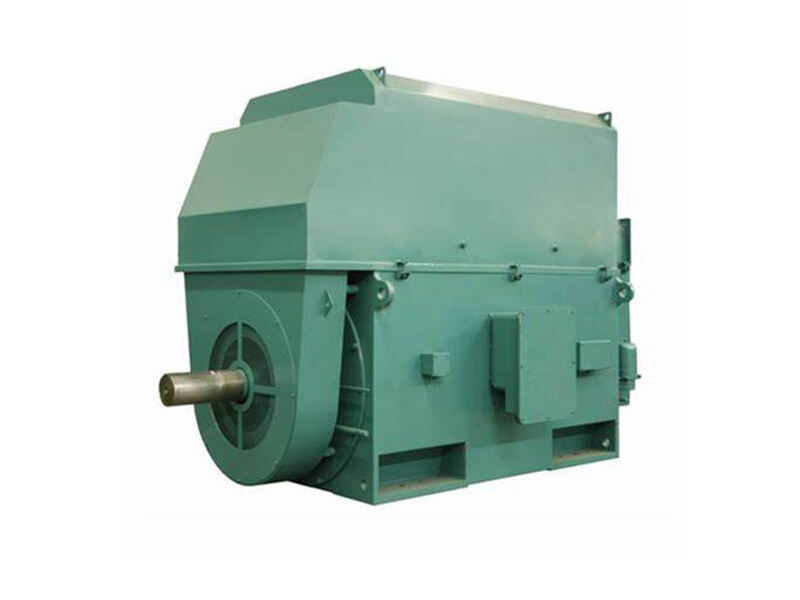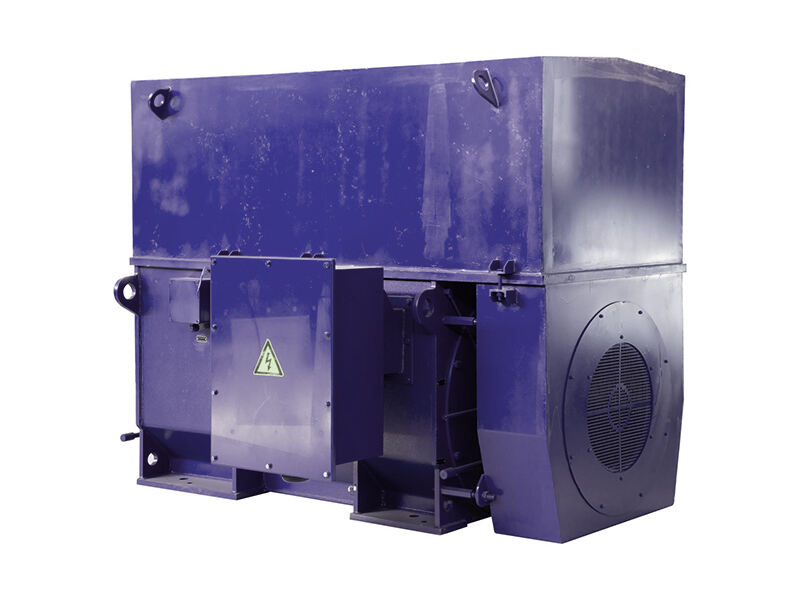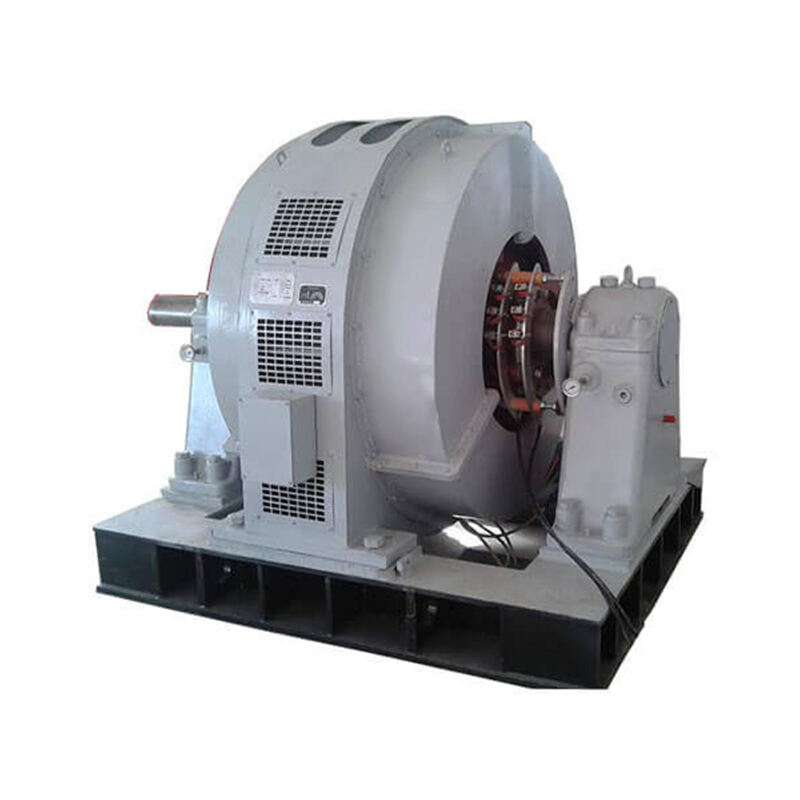
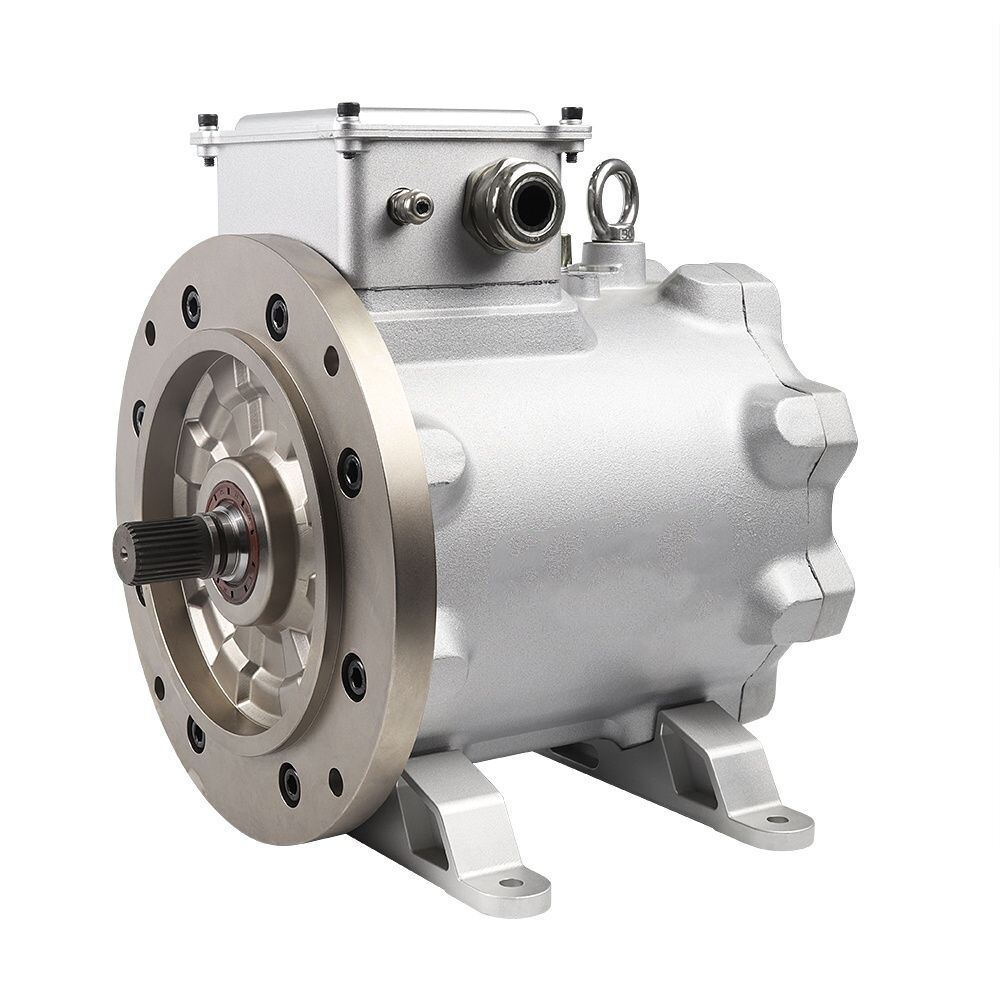
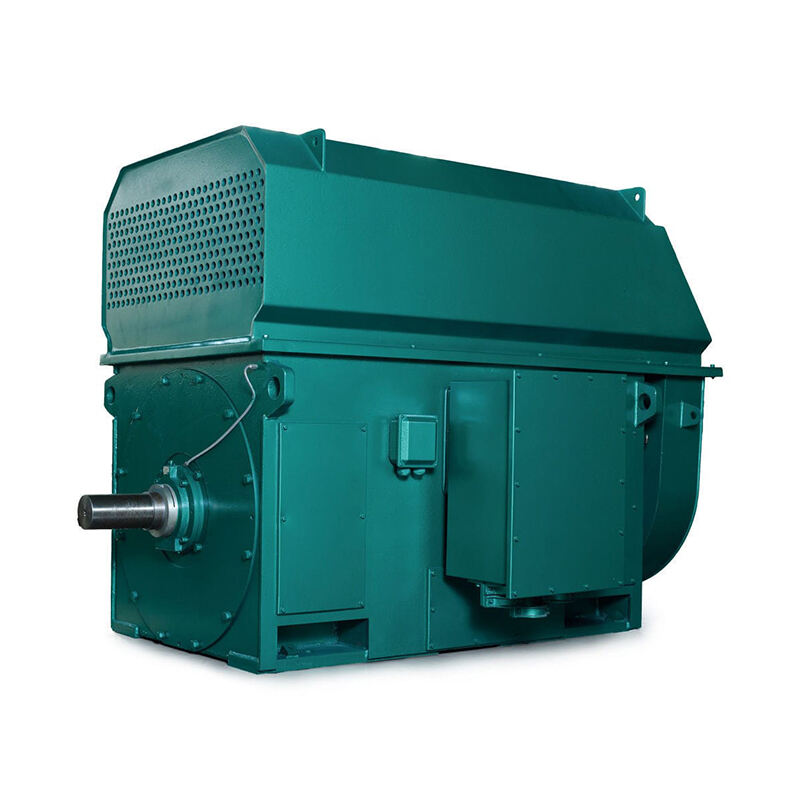
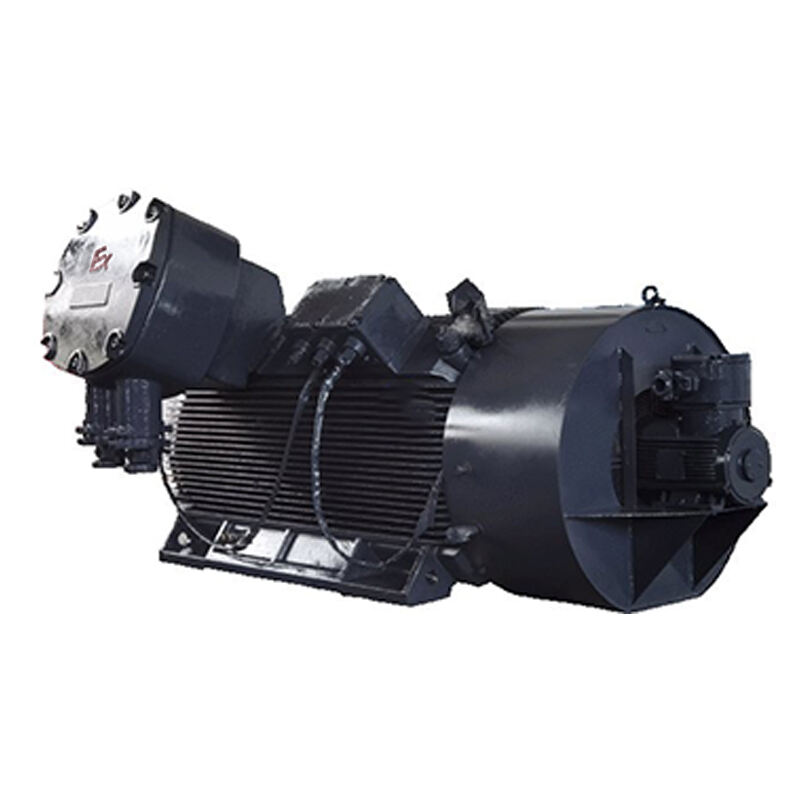
High voltage AC motor torque is a critical performance parameter that defines the rotational force a motor can generate to drive mechanical loads, making it essential for industrial applications requiring heavy duty operation. Torque production in high voltage AC motors—typically operating at 3kV to 11kV—is influenced by design factors such as stator winding configuration, rotor construction, and power supply characteristics. These motors deliver both starting torque (the force required to initiate motion) and running torque (sustained force during operation), with their performance optimized for specific applications, from pumps and fans to crushers and rolling mills. Starting torque is particularly crucial for equipment with high inertia loads, such as centrifugal compressors or large conveyors, where the motor must overcome static friction to begin rotation. High voltage AC motors are engineered to provide high starting torque, often achieved through specialized rotor designs like squirrel cage rotors with deep bars or double cages, which enhance torque at low speeds by increasing rotor resistance during startup. This allows them to start heavy loads without stalling, reducing the need for auxiliary starting equipment. Running torque stability is equally important, as fluctuations can cause uneven operation, leading to mechanical stress and reduced efficiency. High voltage AC motors maintain consistent running torque across a range of speeds, especially when paired with variable frequency drives (VFDs), which adjust voltage and frequency to match load demands. This ensures smooth operation in applications like extruders, where consistent torque is necessary to maintain product quality, or in rolling mills, where precise torque control ensures uniform metal thickness. Torque efficiency is another key consideration, with modern high voltage AC motors designed to minimize torque losses through high grade electrical steel in stator cores, optimized winding layouts, and low friction bearings. This results in higher torque output per unit of input power, enhancing overall energy efficiency. Additionally, these motors are tested under various load conditions to validate torque performance, ensuring compliance with standards such as IEC 60034, which specifies torque requirements for different motor classes. Understanding and optimizing high voltage AC motor torque is essential for selecting the right motor for specific applications, ensuring reliable operation, reducing energy consumption, and extending the lifespan of both the motor and connected equipment.