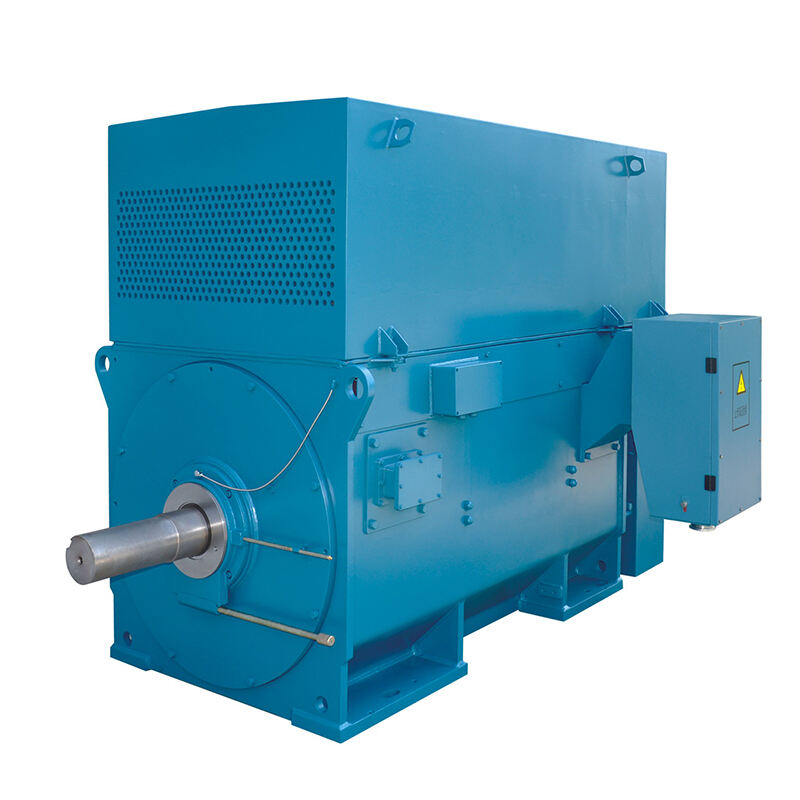
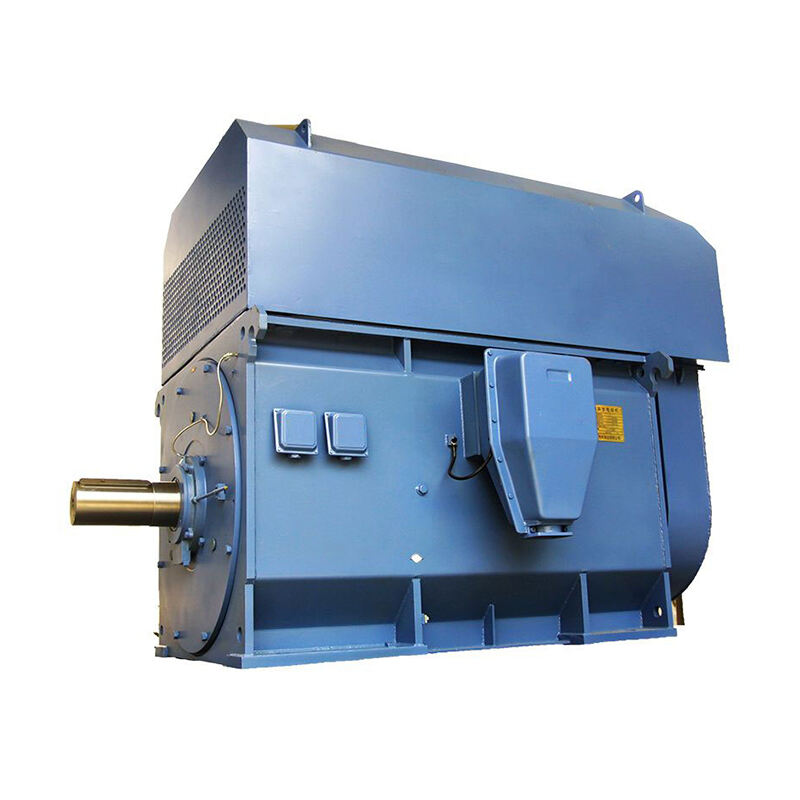
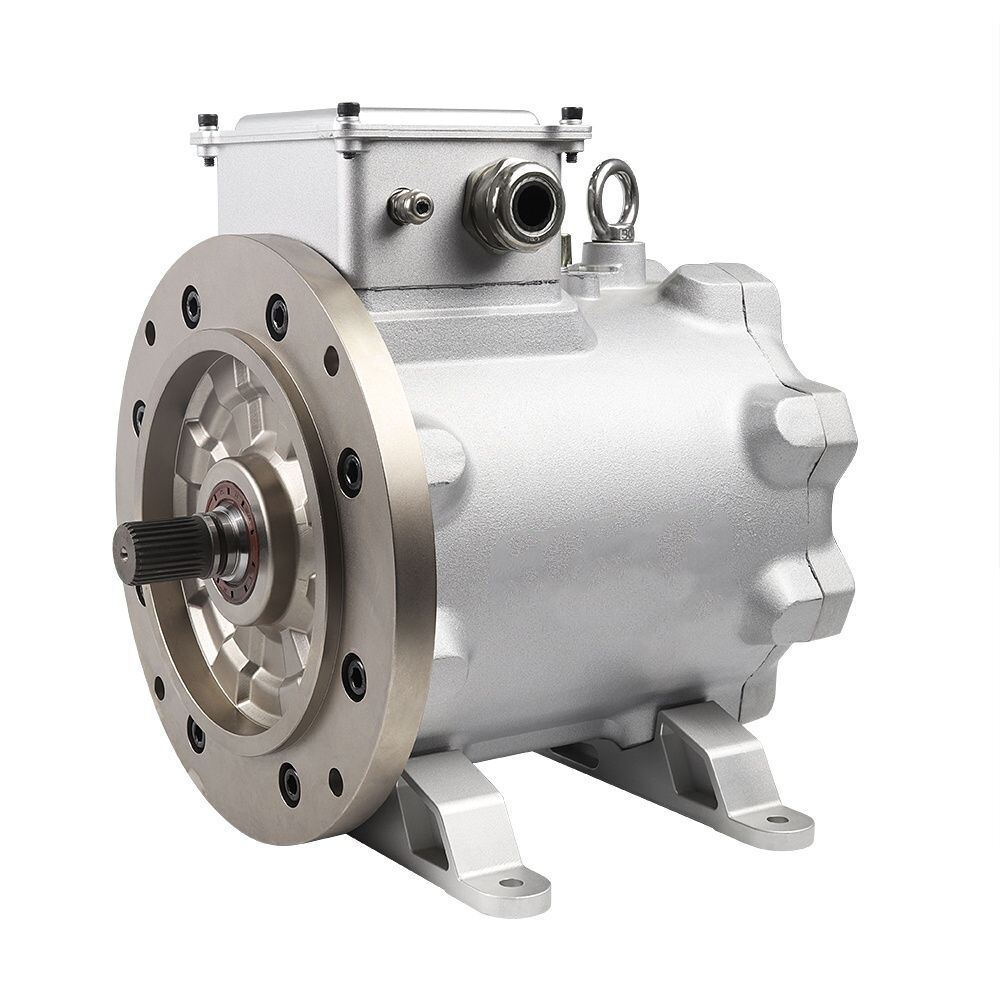
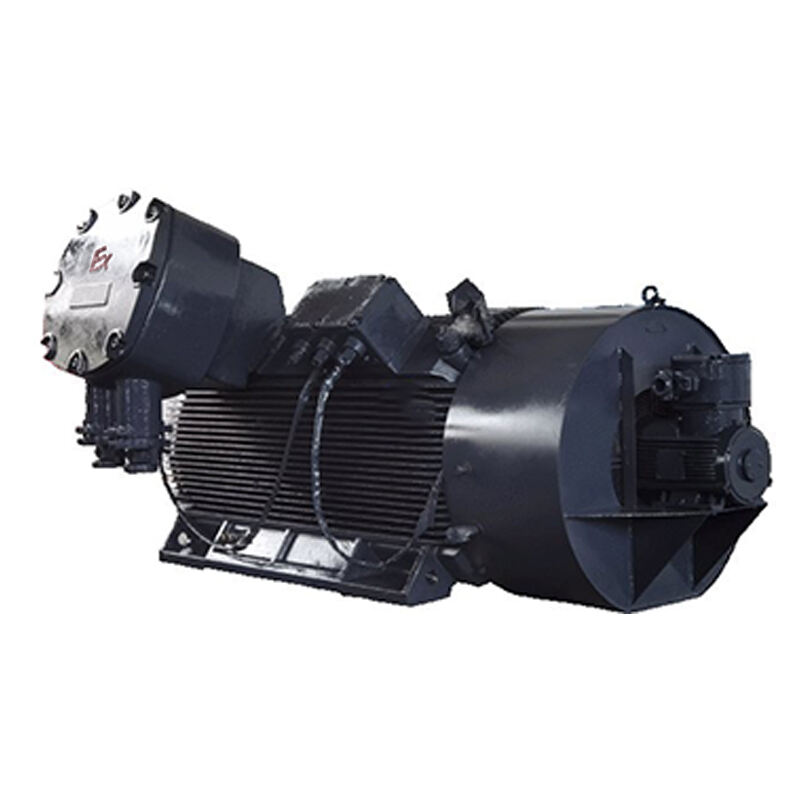
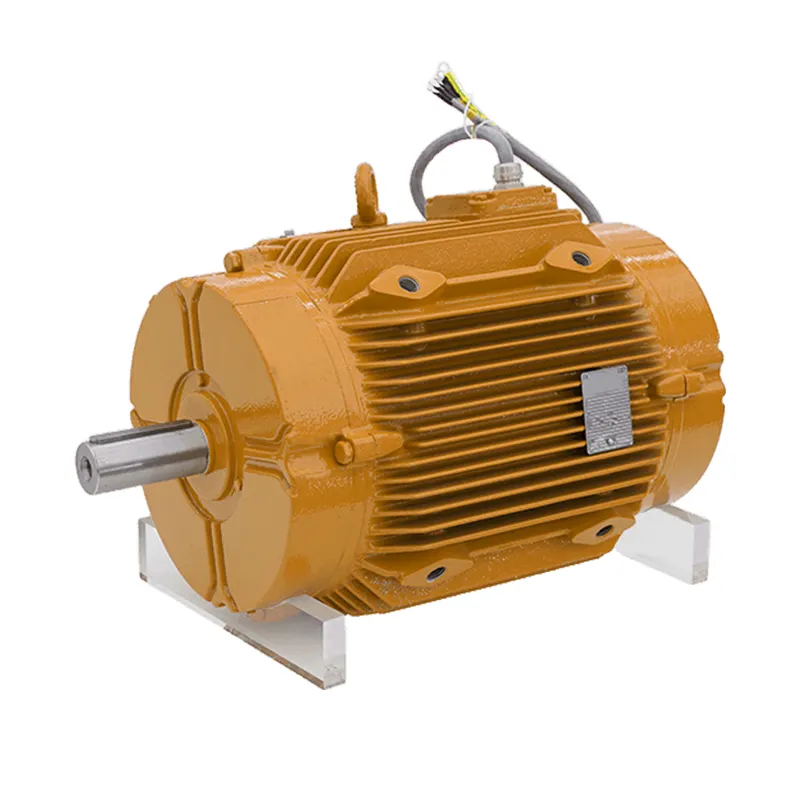
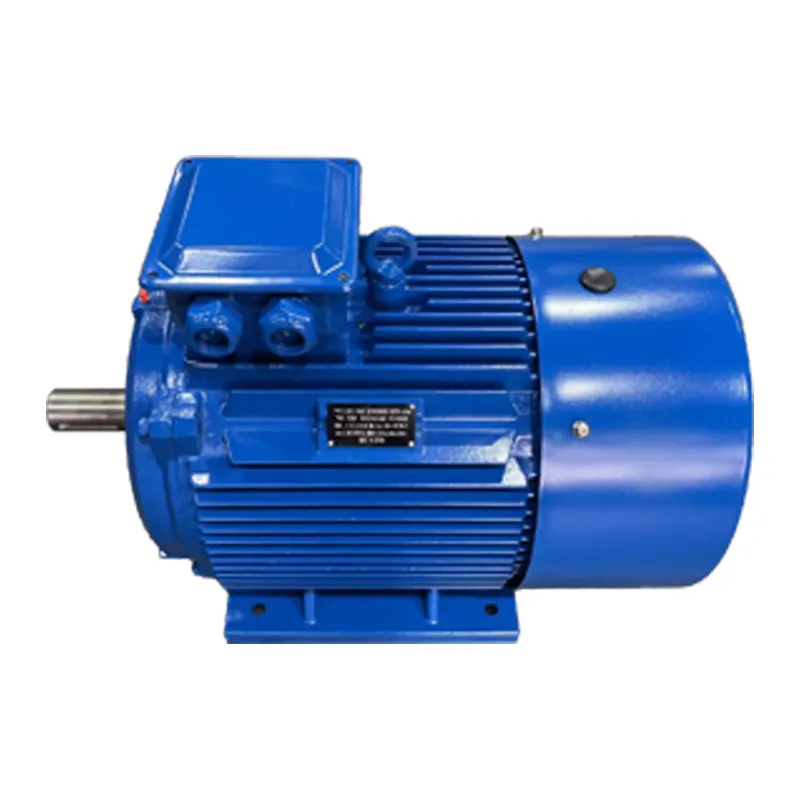
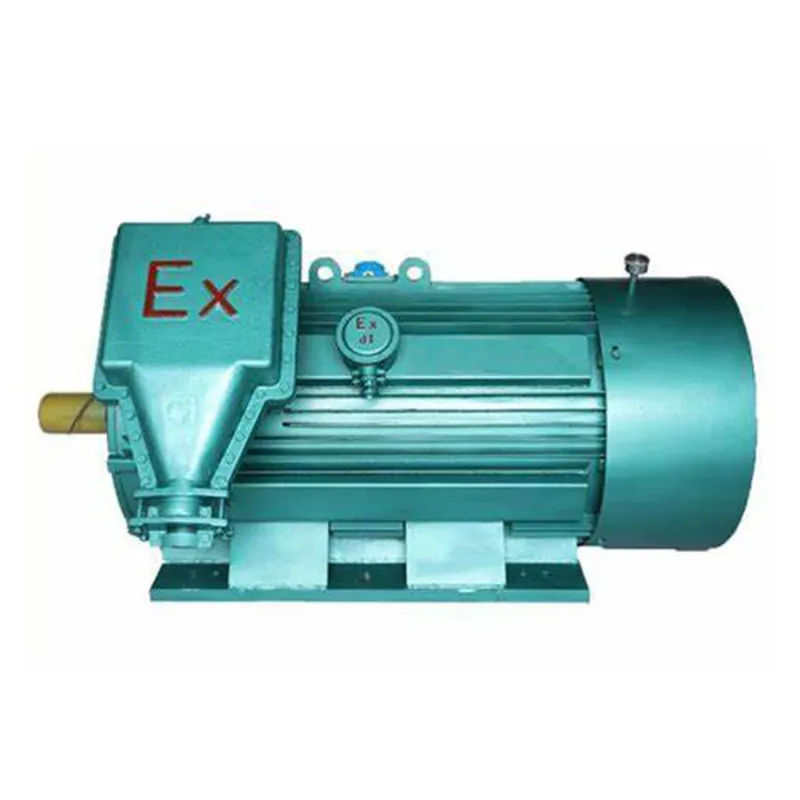
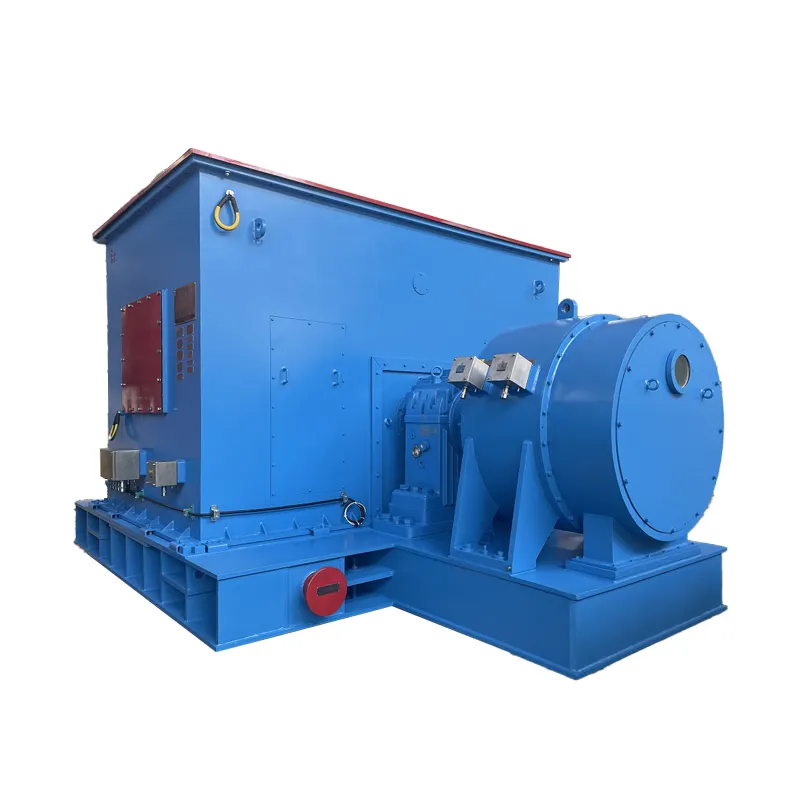
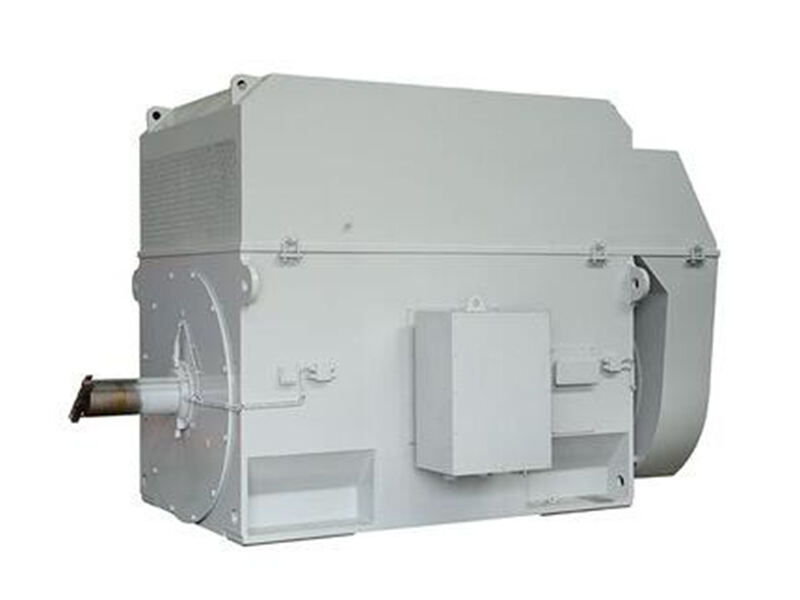
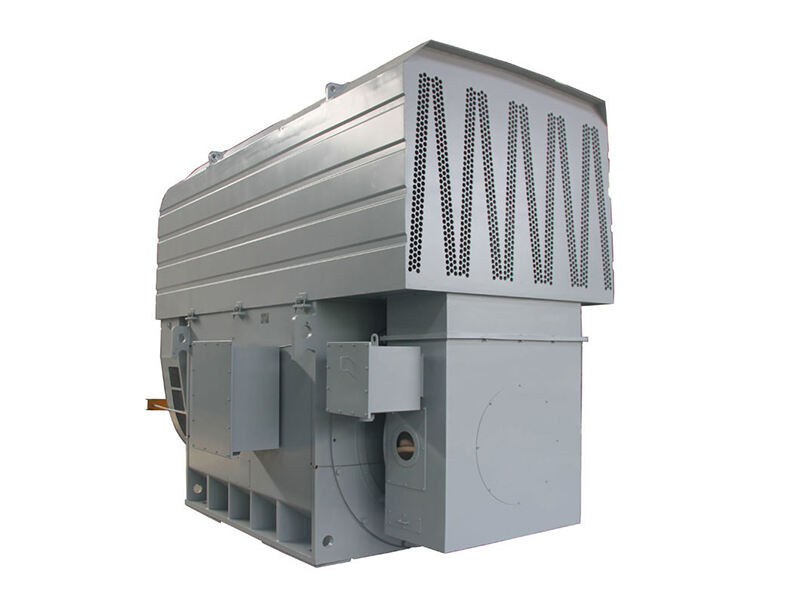
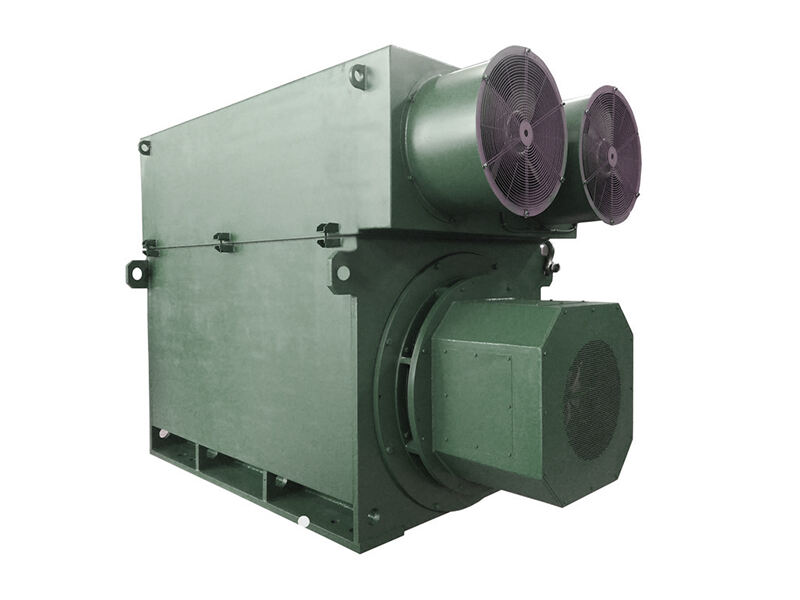
High voltage AC motors are indispensable in metallurgical processes, where they power heavy duty equipment essential for mining, smelting, rolling, and refining metals such as steel, aluminum, and copper. Operating at voltages from 3kV to 11kV, these motors deliver the extreme torque and sustained power required to drive machinery like rolling mills, blast furnace blowers, ladle cranes, and continuous casters, which operate under intense conditions—high temperatures, heavy vibration, and exposure to dust, molten metal splatters, and corrosive byproducts. In metallurgy, equipment often operates at high cyclic loads; for example, rolling mills repeatedly compress red hot metal billets into sheets or bars, demanding motors with exceptional durability. High voltage AC motors designed for this sector feature reinforced stator and rotor assemblies constructed from high grade electrical steel, which minimizes energy losses and withstands thermal stress. Their enclosures are typically made from heat resistant materials like cast iron or alloy steel, with additional insulation layers to protect windings from extreme temperatures exceeding 100°C. To handle the harsh environmental factors, these motors incorporate advanced sealing systems that prevent ingress of metallic dust and moisture, which can cause short circuits or component degradation. The integration of VFDs allows for precise speed control, critical in processes like rolling, where maintaining consistent metal thickness depends on accurate roller rotation speeds. This control also enables soft starting, reducing mechanical shock during equipment startup and extending the lifespan of gears, bearings, and other mechanical components. High voltage AC motors in metallurgy also contribute to energy efficiency, a key concern in energy intensive metal production. By optimizing power usage during varying load phases, they help reduce overall energy consumption and lower carbon footprints. Reliability is further enhanced through predictive maintenance capabilities, with sensors monitoring vibration, temperature, and current to detect potential failures before they disrupt production. In summary, these motors are engineered to meet the unique challenges of metallurgical operations, ensuring uninterrupted, efficient, and safe production of metals.

 EN
EN