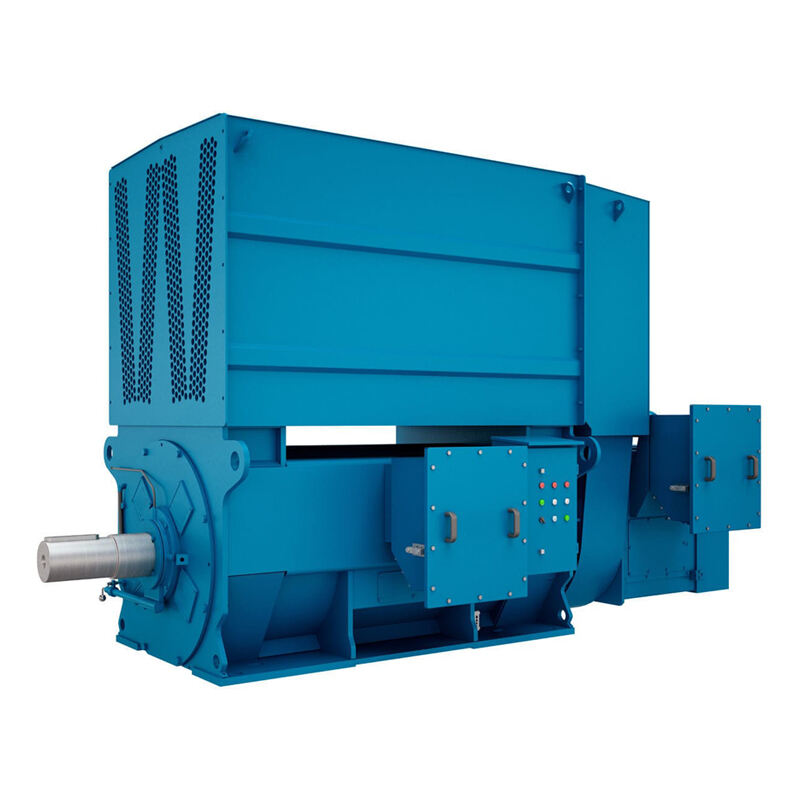
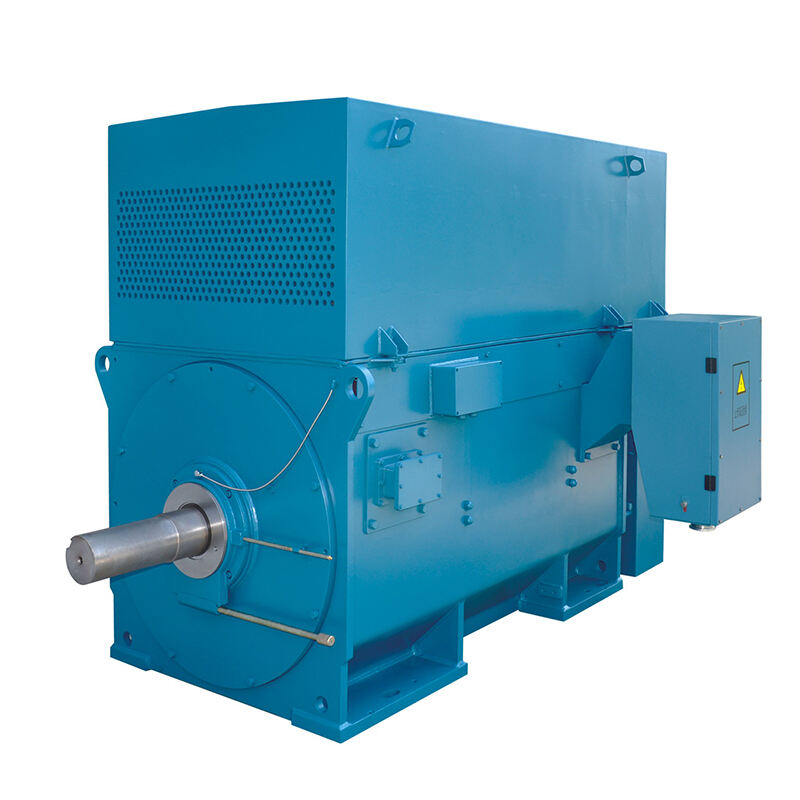
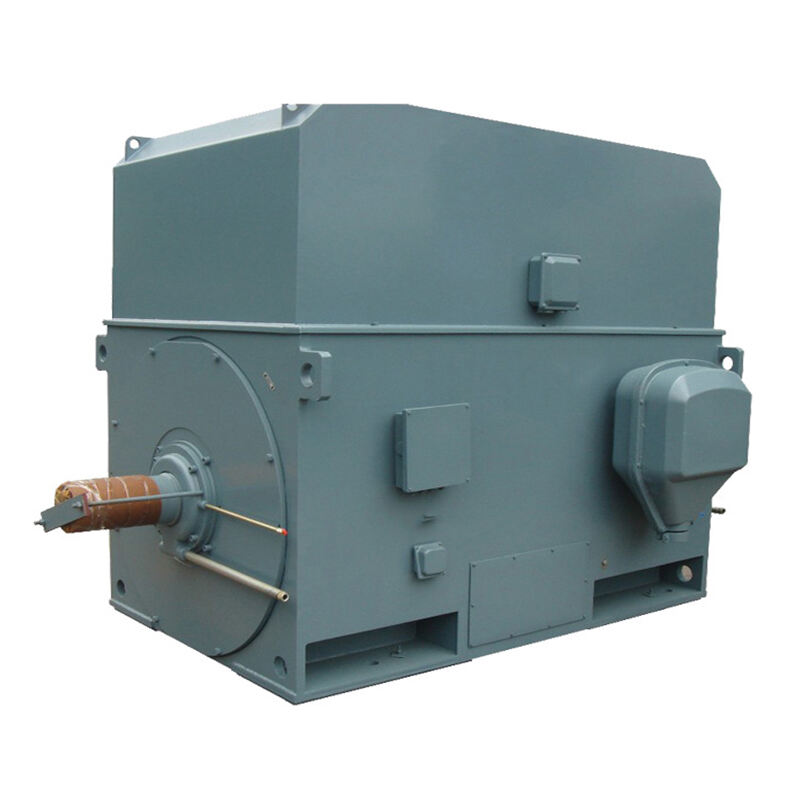
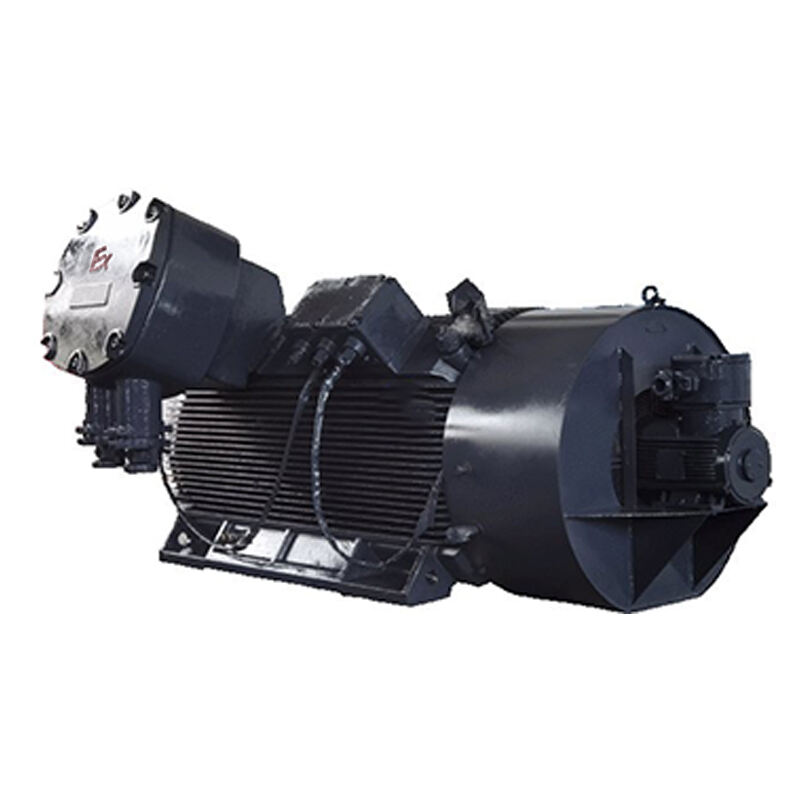
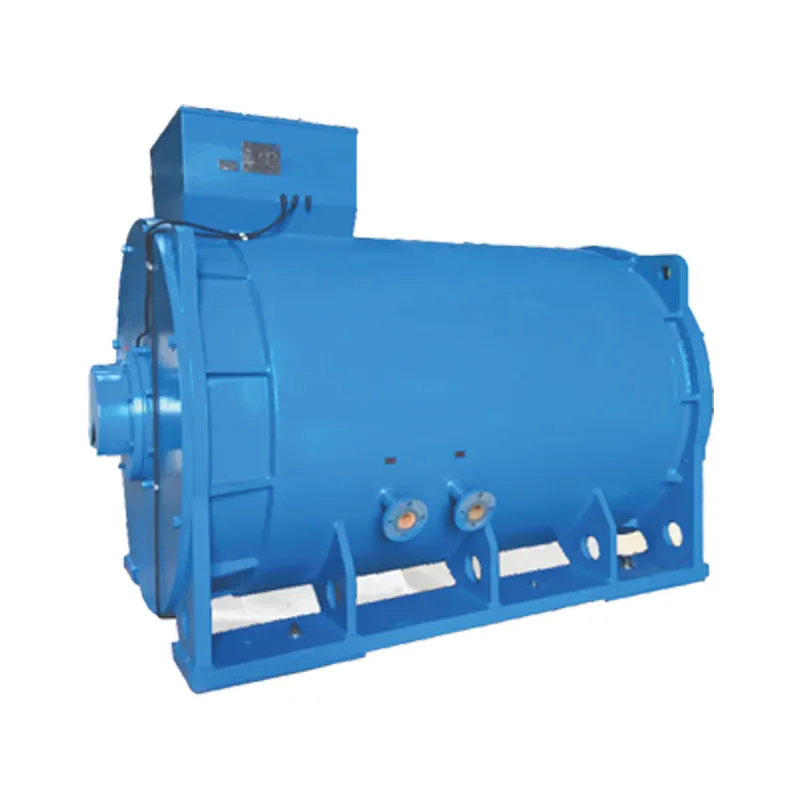
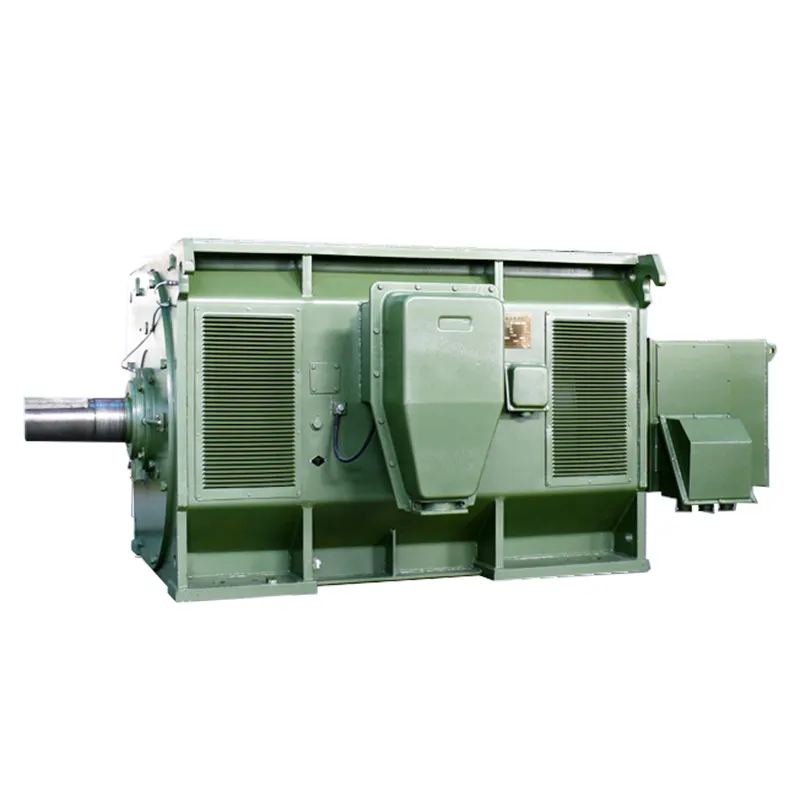
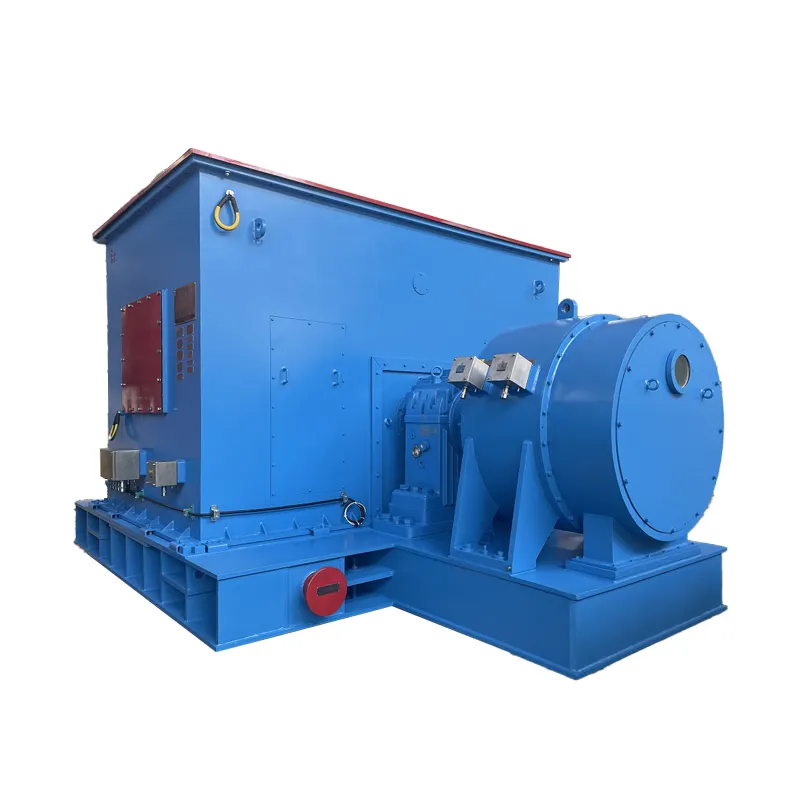
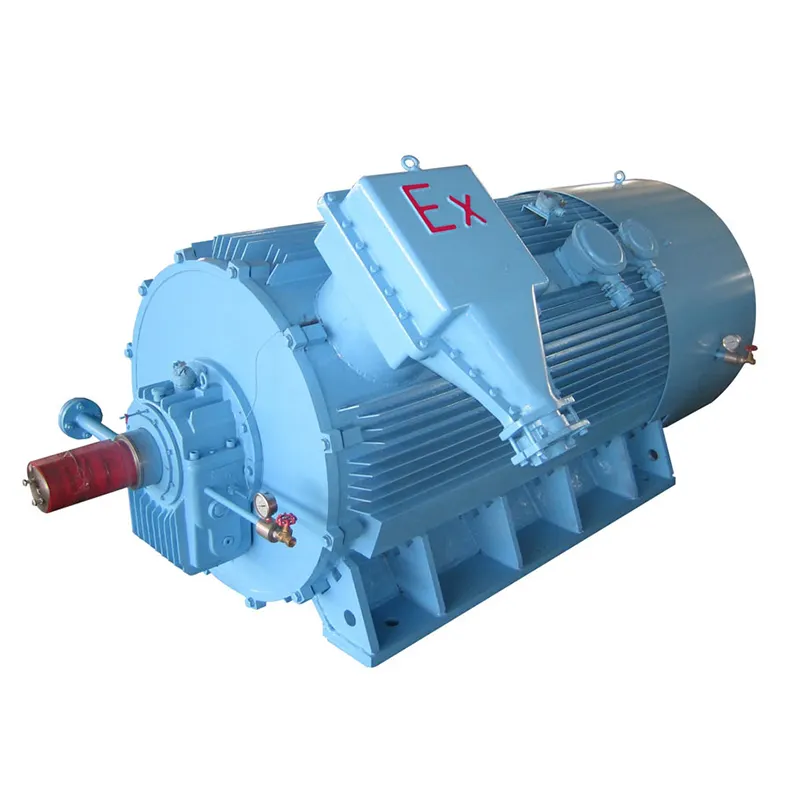
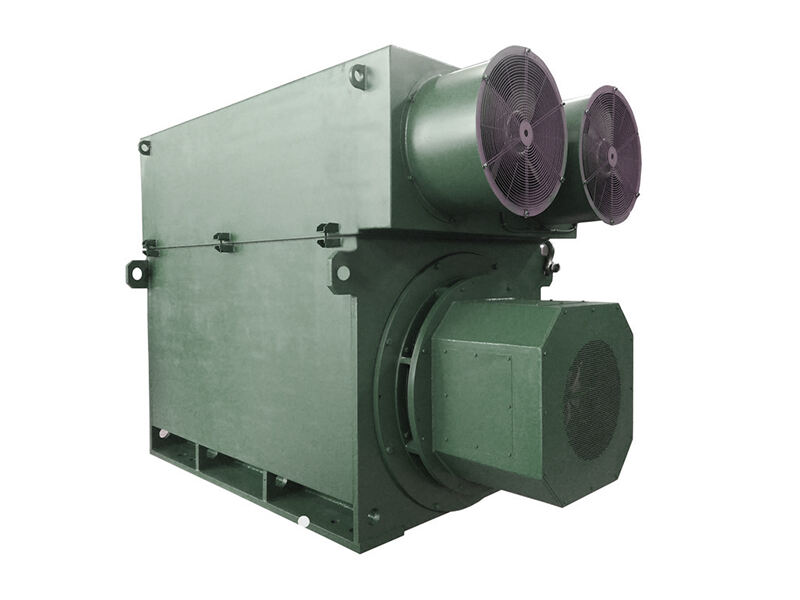
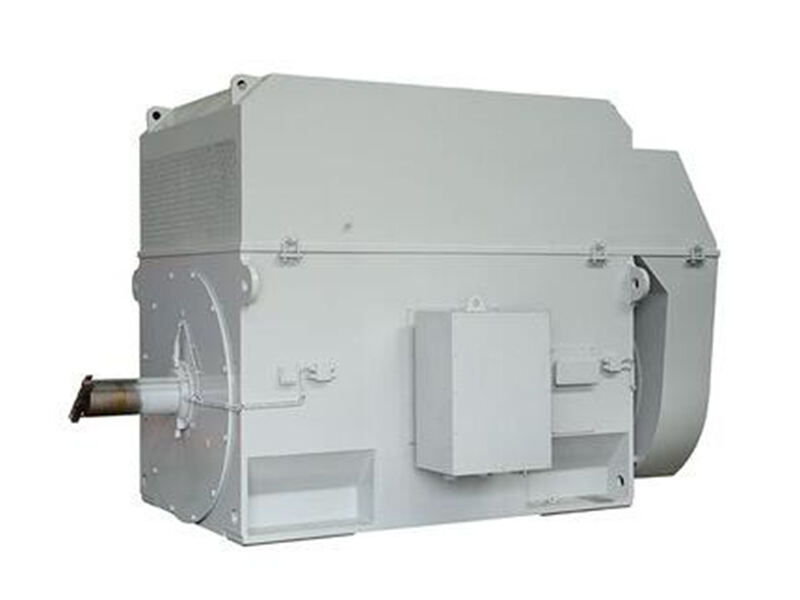
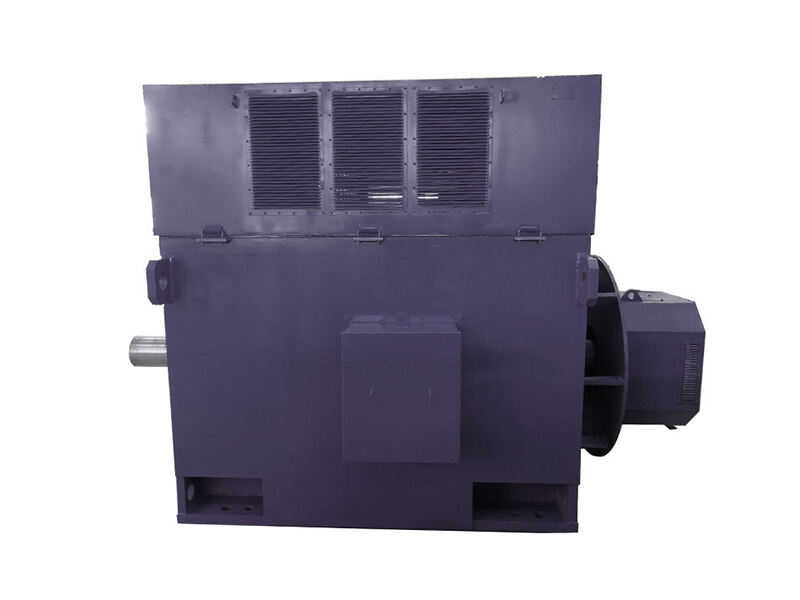
High voltage AC motors are key components in ceramic production facilities, powering a range of machinery involved in shaping, firing, and finishing ceramic products such as tiles, sanitaryware, and industrial ceramics. Operating at voltages between 3kV and 11kV, these motors deliver the high power, precise speed control, and durability required to handle the demanding conditions of ceramic manufacturing, including high temperatures, dust, and heavy mechanical loads. In ceramic production, high voltage AC motors drive ball mills and attritors that grind raw materials—clay, silica, and feldspar—into fine powders, a critical step for achieving uniform ceramic textures. These mills operate under heavy loads, requiring motors with high starting torque to overcome the resistance of grinding media and raw materials. Variable frequency drives (VFDs) allow for speed adjustments, enabling operators to control particle size by varying grinding intensity, ensuring consistent material quality. High voltage AC motors also power extruders that shape ceramic bodies into forms like tiles or pipes, where precise speed control ensures uniform dimensions and density. The motors’ stable torque output prevents material deformation, a key factor in maintaining product quality. In kilns, where ceramics are fired at temperatures exceeding 1000°C, high voltage AC motors drive recirculation fans that distribute heat evenly, ensuring uniform firing and reducing defects. These motors are designed to withstand the high ambient temperatures near kilns, with heat resistant enclosures and insulation systems rated for Class F or higher. They also power conveyor systems that transport ceramic products through production stages, from drying to glazing and firing. The motors’ robust construction includes sealed bearings to resist dust from ceramic powders, which can cause premature wear if allowed to enter internal components. Their low vibration operation minimizes damage to delicate unfired ceramics during transport. High voltage AC motors drive glaze mixing equipment, where precise speed control ensures uniform dispersion of pigments and additives, critical for consistent color and finish. The motors’ high efficiency helps reduce energy consumption in ceramic production, which is energy intensive due to firing processes. Advanced monitoring systems track motor performance, enabling predictive maintenance to reduce downtime in continuous production environments. By delivering reliable power, precise control, and durability in high temperature, dusty conditions, high voltage AC motors contribute to the efficiency and quality of ceramic manufacturing processes.

 EN
EN