Tellhow Technology's Solutions for Insulation of High Voltage Ac Motors | Tellhow Technology

All Categories

Solutions for Insulation of High Voltage AC Motor

Learn about the Tellhow Technology Chongqing Ltd high voltage AC motor insulation solutions. As part of Taihao Group, we are one of the key manufacturers of high voltage three phase asynchronous motors and synchronous motors for specific industries like petrochemical, aerospace, and nuclear energy. Our advanced insulation technology allows for more dependable and effective service in difficult environments, making us a partner of choice in important national construction projects.
Get A Quote

Advantages of the product

Best Thermal Performance

Our high voltage AC motor insulation is specially designed to perform in very high or low temperatures without compromising on performance. These harsh conditions can cause motors to fail; however, with our advanced thermal insulation technology, the lifespan of the motors is considerably increased and maintenance expenses reduced.

Related products

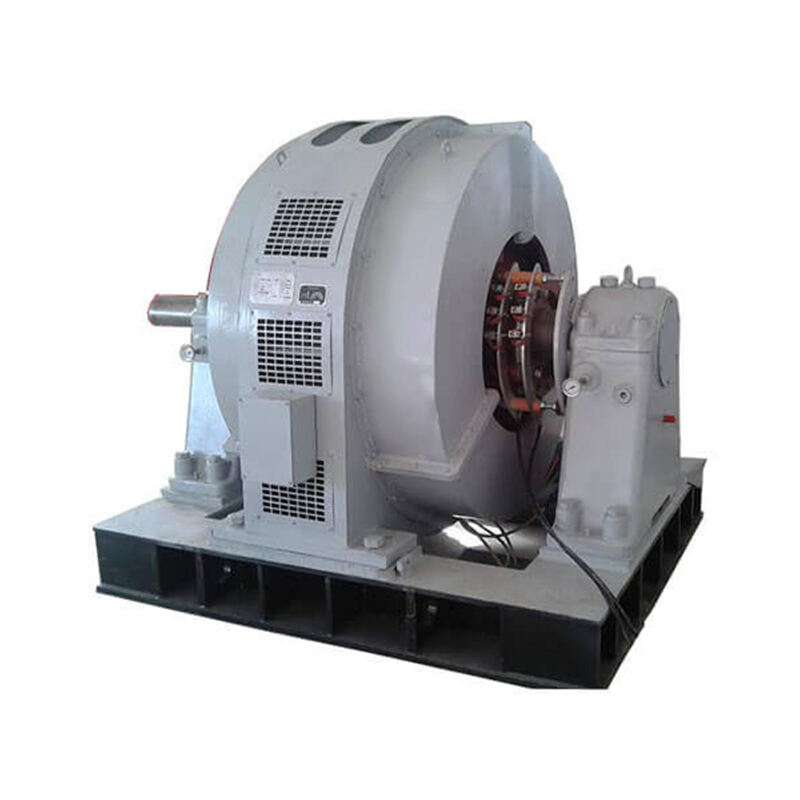
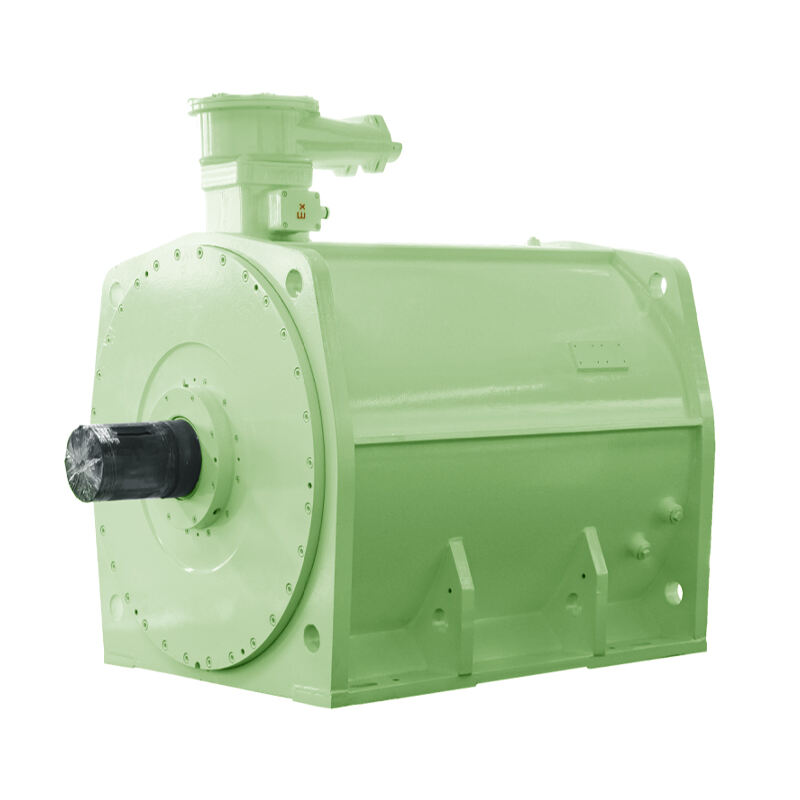
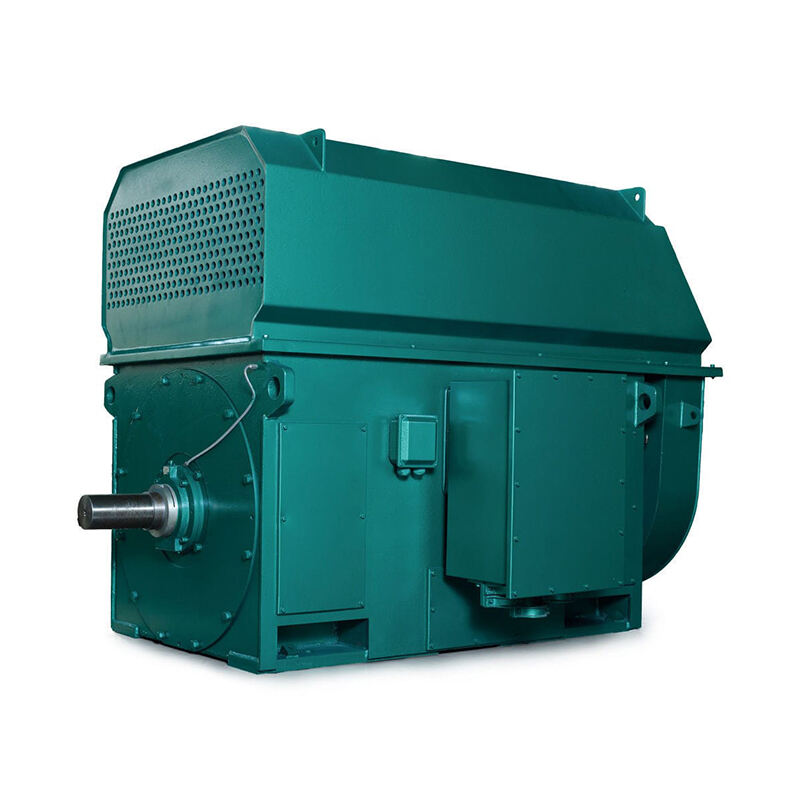
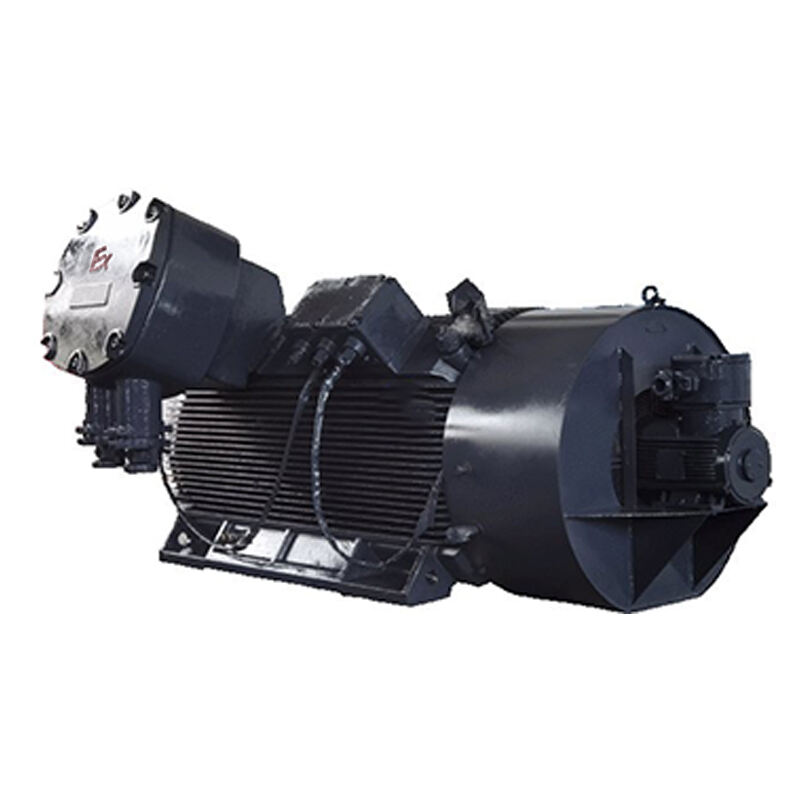
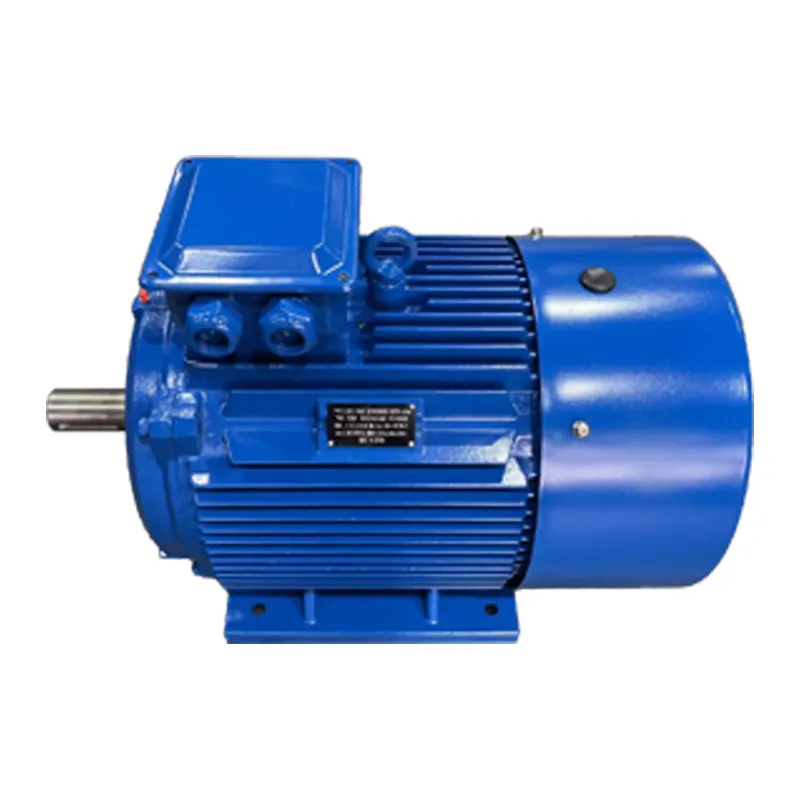
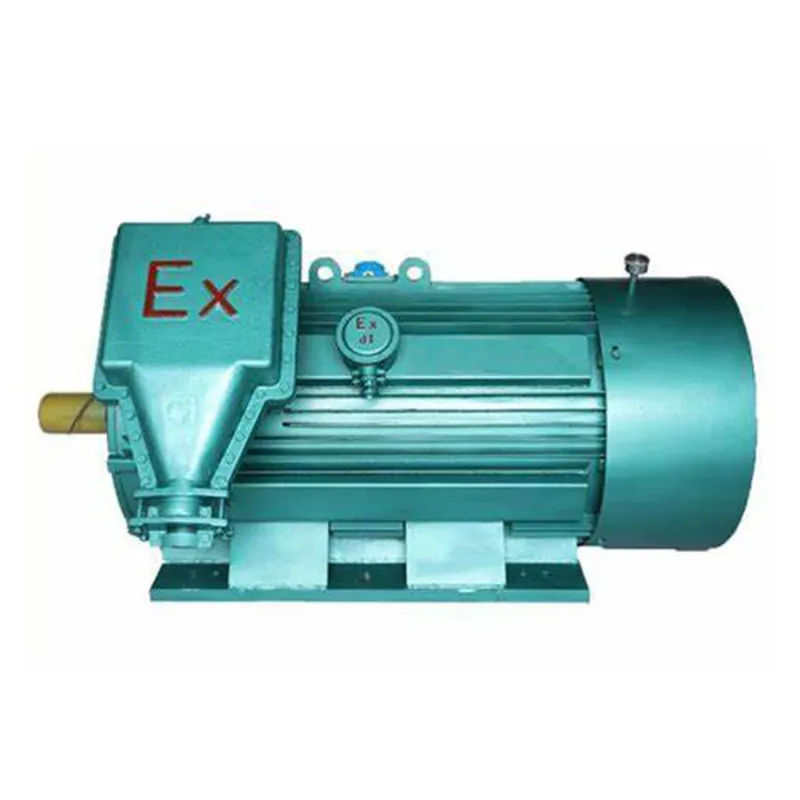
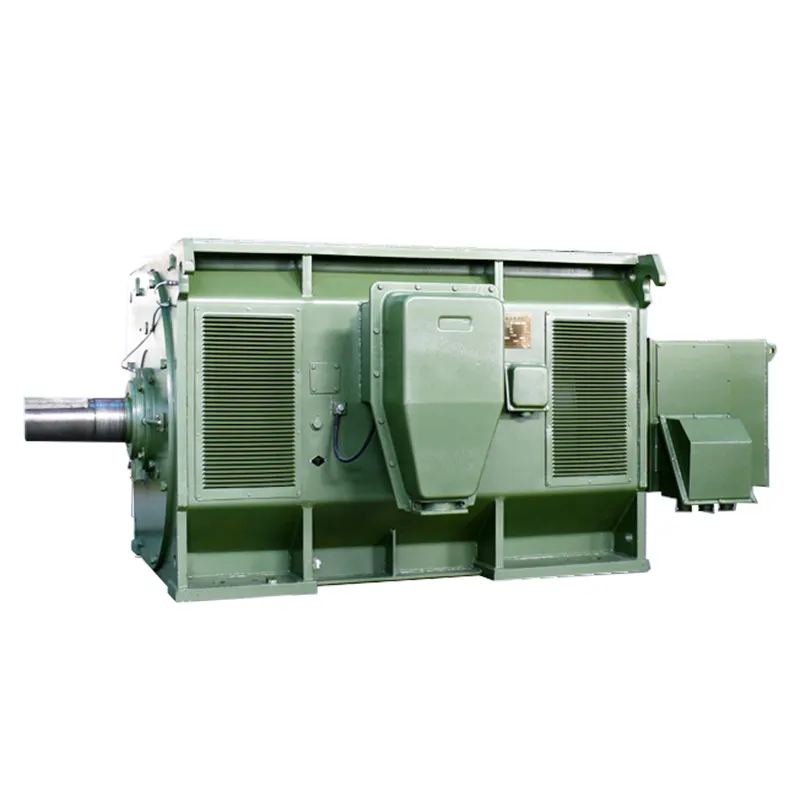
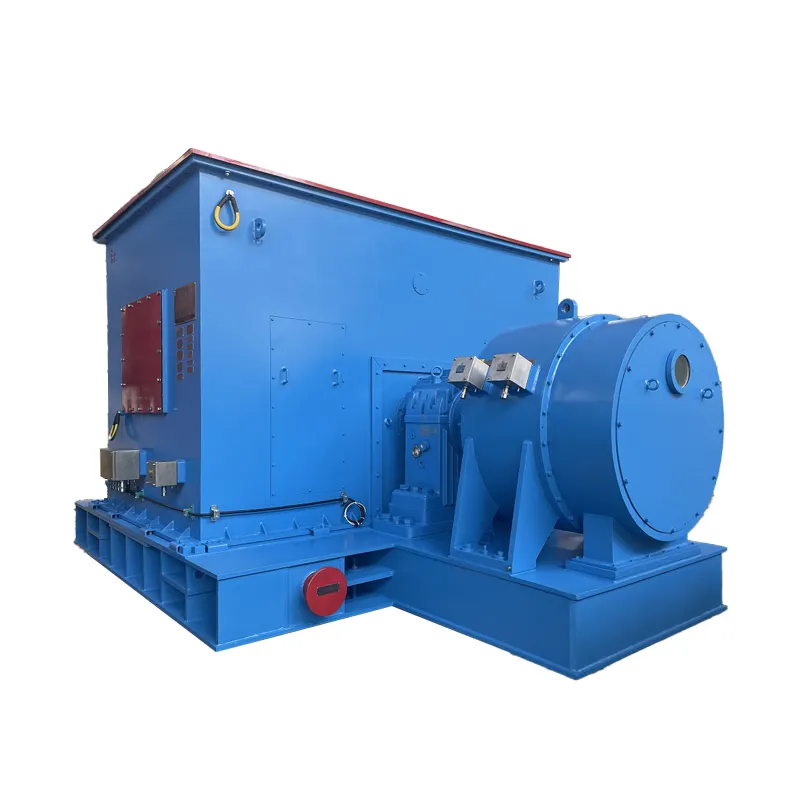
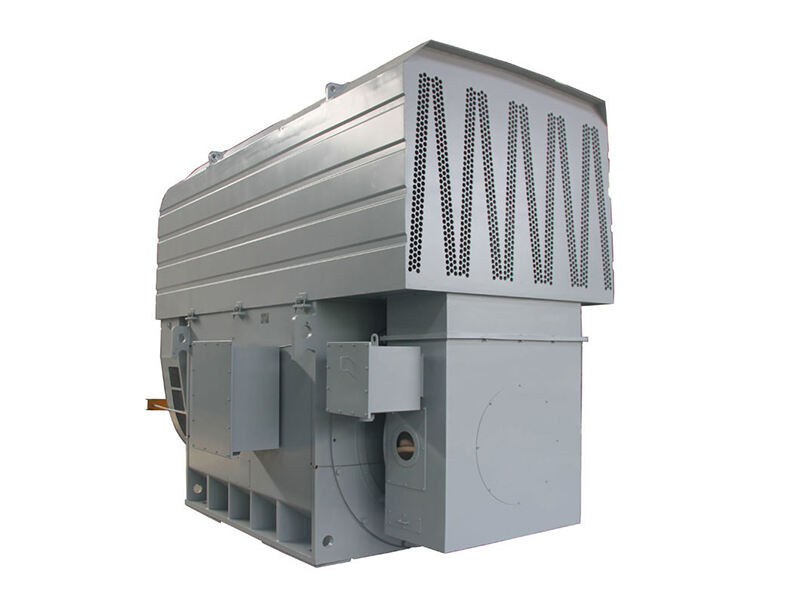
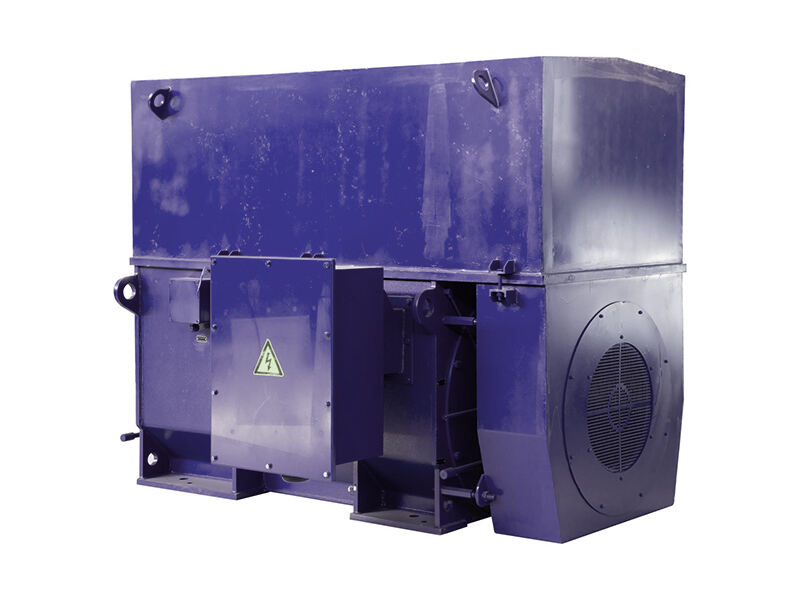
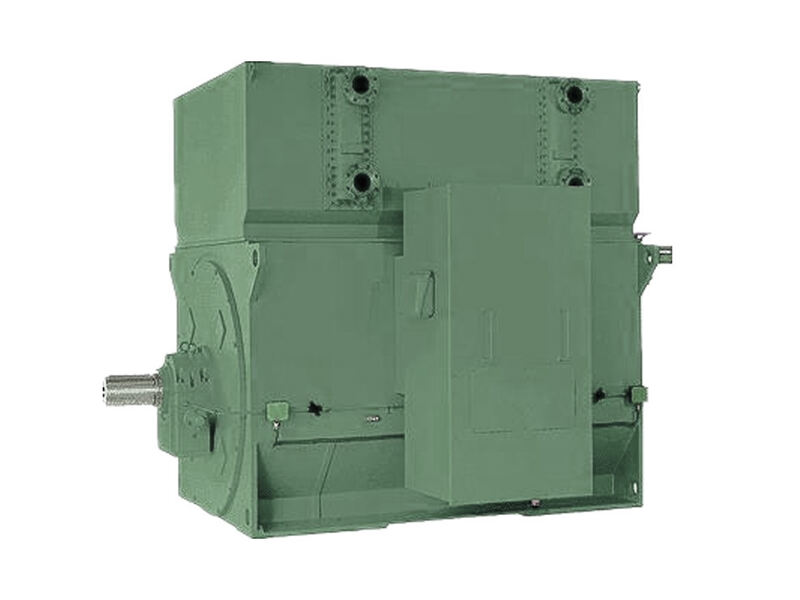
High voltage AC motor insulation is a critical component that ensures electrical integrity, safety, and longevity in motors operating at 3kV and above, where electrical stress and thermal loads are significantly higher than in low voltage motors. The insulation system must withstand high voltage gradients, elevated temperatures, mechanical stress, and environmental factors such as moisture, dust, and chemicals, making its design and material selection paramount for reliable operation. Modern high voltage AC motor insulation systems typically consist of multiple layers, each serving a specific purpose: groundwall insulation separates the stator windings from the motor frame, turn insulation insulates individual conductor turns within a coil, and phase insulation prevents short circuits between different phases. Materials used include mica based products, such as mica paper reinforced with glass fabric, which offer excellent dielectric strength and thermal resistance. These materials are often impregnated with epoxy, polyester, or silicone resins to create a rigid, moisture resistant barrier that adheres tightly to conductors, preventing partial discharges—localized electrical breakdowns that can degrade insulation over time. Insulation classes, defined by standards like IEC 60085, specify temperature limits: Class F insulation (155°C) and Class H (180°C) are common in high voltage motors, with higher classes used in extreme environments. The insulation system must also withstand mechanical stress from thermal expansion and contraction during startup and shutdown, as well as vibration from motor operation. To address this, flexible materials or resilient bonding agents are used to absorb stress without cracking. In hazardous environments, such as chemical plants or mines, insulation may include chemical resistant coatings or barriers to protect against corrosive substances. Installation and manufacturing processes, such as vacuum pressure impregnation (VPI), ensure uniform resin distribution, eliminating air pockets that could cause partial discharges. Regular testing, including megger tests for insulation resistance, polarization index tests, and partial discharge measurements, is essential to monitor insulation condition over time. Degradation factors, such as thermal aging, moisture absorption, and mechanical wear, can be mitigated through proper cooling system design, humidity control in motor enclosures, and periodic maintenance. By selecting appropriate materials, implementing robust design practices, and adhering to strict manufacturing standards, high voltage AC motor insulation systems ensure safe, efficient, and long term operation across diverse industrial applications.


Frequently Asked Questions

What materials are used in your high voltage AC motor insulation?

The high voltage AC motor insulation is made out of epoxy resins and special high temperature polymers that have superior performance thermally and electrically and withstand harsh environments.

Related Articles

Exploring the Efficiency of Synchronous Motors in Industry

19

Feb

Exploring the Efficiency of Synchronous Motors in Industry

Since the calm before worlds were a portion of the motor industry, the focus has been on efficiency, functionality, and industrial use - and so came the synchronous motors. They're oh-so beloved because unlike the dishes, they do not break. In layman...
View More
Improving Safety with Explosion-Proof Motors in Industrial Settings

19

Feb

Improving Safety with Explosion-Proof Motors in Industrial Settings

It's very critical to secure industrial areas where combustible gases or dust are likely to get out of hand or cause accidents. If there is uncontrolled electric smoke or fire in the vicinity, the internal combustibles can be triggered, and explosion...
View More
Understanding the Applications of Wound Rotor Induction Motors

19

Feb

Understanding the Applications of Wound Rotor Induction Motors

Wound rotor induction motors (WRIM) possess significant importance for a wide range of industries due to specific operational characteristics and advantages. Today’s piece of writing is meant to analyze what WRIM are and their fundamental, adva...
View More
Exploring Innovations in Electric Motors for the Petrochemical Industry

19

Feb

Exploring Innovations in Electric Motors for the Petrochemical Industry

Electic motors in the oil and gas industry have certainly changed in regards to their sustainability in the past few years. Electric motors are critical in the realization of clean energy innovation. The article attempts to identify the innovation ...
View More

Customer Reviews

Trey

The Tellhow insulation technology designed for motors aids in most situations geomorphological. Tellhow significantly increased the reliability of our motors for use in extreme work conditions. Since we made the switch, there has been major decrease in down time.

Get a Free Quote

Our representative will contact you soon.
Email
Name
Mobile/Whatsapp
Company Name
Message
0/1000
Excellent Technology Development for Insulation of Motors and Generators

Excellent Technology Development for Insulation of Motors and Generators

The motor insulation high voltage AC motors is high demand and competitive as the materials used for thermal and electrical insulation has developed as far as the industry direly requites.
Thorough Certification and Testing of Insulation Products

Thorough Certification and Testing of Insulation Products

In regard to industrial use, it is important to aim for reliability and safety, all of which can be achieved through extensive testing and certification. This ensures that the insulation products meet international standards.
Best Suitable Performance for Uniquely Defined Applications

Best Suitable Performance for Uniquely Defined Applications

We aim to provide insulation performance for specific operational conditions as required by our clients to meets their needs for optimum productivity.
Wechat Wechat
Wechat
Fackbook Fackbook Email Email YouTube YouTube Linkedin Linkedin Telegram Telegram
Telegram
TopTop